Does an Air Purifier Help With Pet Hair? What It Catches and Misses
A purifier can capture airborne dander and some odor, but not hair on floors or fabric. Here is what it handles, how to size it, and the steps for the rest.
The Millbrook Team
November 12, 2026 · 6 min read
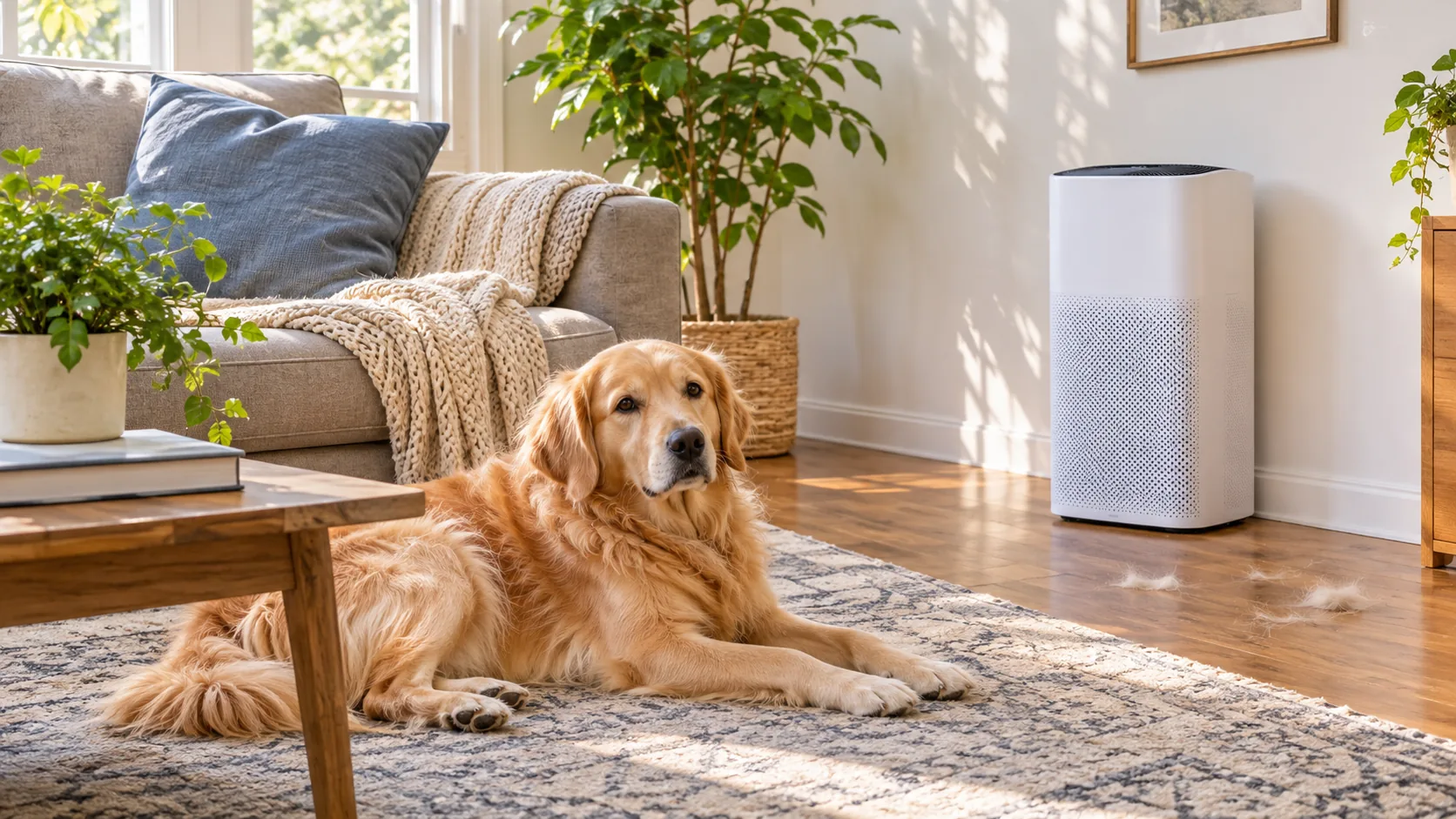
Does an air purifier help with pet hair? Only partly: it can capture fine airborne dander and some floating hair, but it does not pull shed hair off floors, sofas or beds. Hair that has already landed needs a brush, a vacuum and a routine.
This guide separates what a purifier handles (airborne particles and odor) from what it misses (settled hair), then gives you a sizing and placement checklist and the grooming and cleaning steps that cover the rest.
Does an air purifier help with pet hair? What it catches and misses
Pet hair is heavy enough to drop to the floor, cling to upholstery and roll into corners close to the pet. A purifier pulls room air through a filter, so it only sees what is floating. That means airborne dander, fine dust and the occasional drifting hair.
Use the table to set expectations before you buy anything.
| Problem | Does a purifier reach it? | What covers it |
|---|---|---|
| Dander floating in the air | Yes, if the unit has a true HEPA-type filter and fits the room | Purifier plus regular bathing and brushing |
| Fine dust and pollen carried in on fur | Yes, the same filter applies | Purifier plus wiping paws and coat |
| Hair on floors | No | Vacuum or robot vacuum |
| Hair woven into sofa fabric or bedding | No | Brush, lint tool, washing covers |
| Loose undercoat still on the pet | No | Deshedding brush |
| Litter and pet-bed smell | Depends on the technology; carbon filters and ion-based units work differently | Cleaning the source plus air cleaning |
What a purifier does handle: dander, odor and allergens
Dander and allergens
Dander is made of microscopic particles that stay in the air and settle on surfaces. A purifier with a HEPA-type filter is built to capture particles of that size. If you are asking whether an air purifier helps with pet allergies, the filter can reduce what is floating in a room, but it does not replace cleaning or washing bedding. Ask an allergy specialist about allergy concerns.
Pet odor
Will an air purifier help with pet odors? It depends on the type. Units with activated carbon filters are designed to adsorb odor molecules and volatile organic compounds, while a plain particle filter does not target smell. Odor also comes from litter, damp fur and bedding, so cleaning those sources matters as much as the air cleaning. Our room-by-room plan for dog smell walks through that.
A plug-in option for smell spots
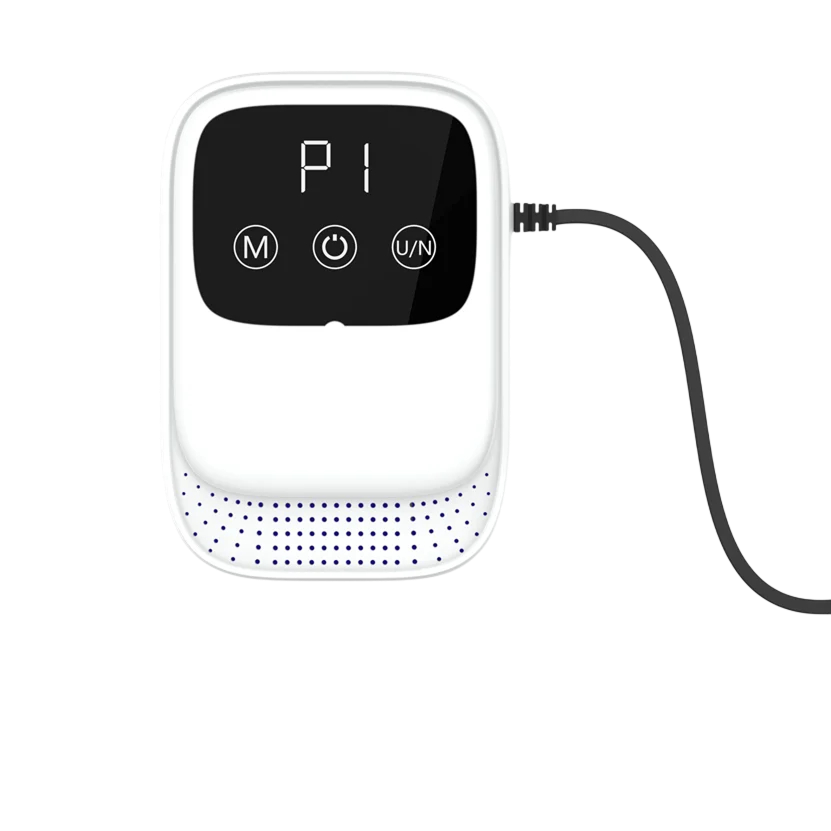
Whiffless is a plug-in pet air purifier that uses active oxygen and negative ions instead of a spray or refill bottle. It is not a filter, so it does not capture hair or dander. You plug it into an outlet near the litter area, pet bed or living space and start it with one tap on the touch button. Its listed operating range is -20° to 50°C (-4° to 122°F), so you can place it in a mudroom, garage or sunroom.
 In this guideWhiffless$79.99View
Sizing and placement checklist for a pet air purifier
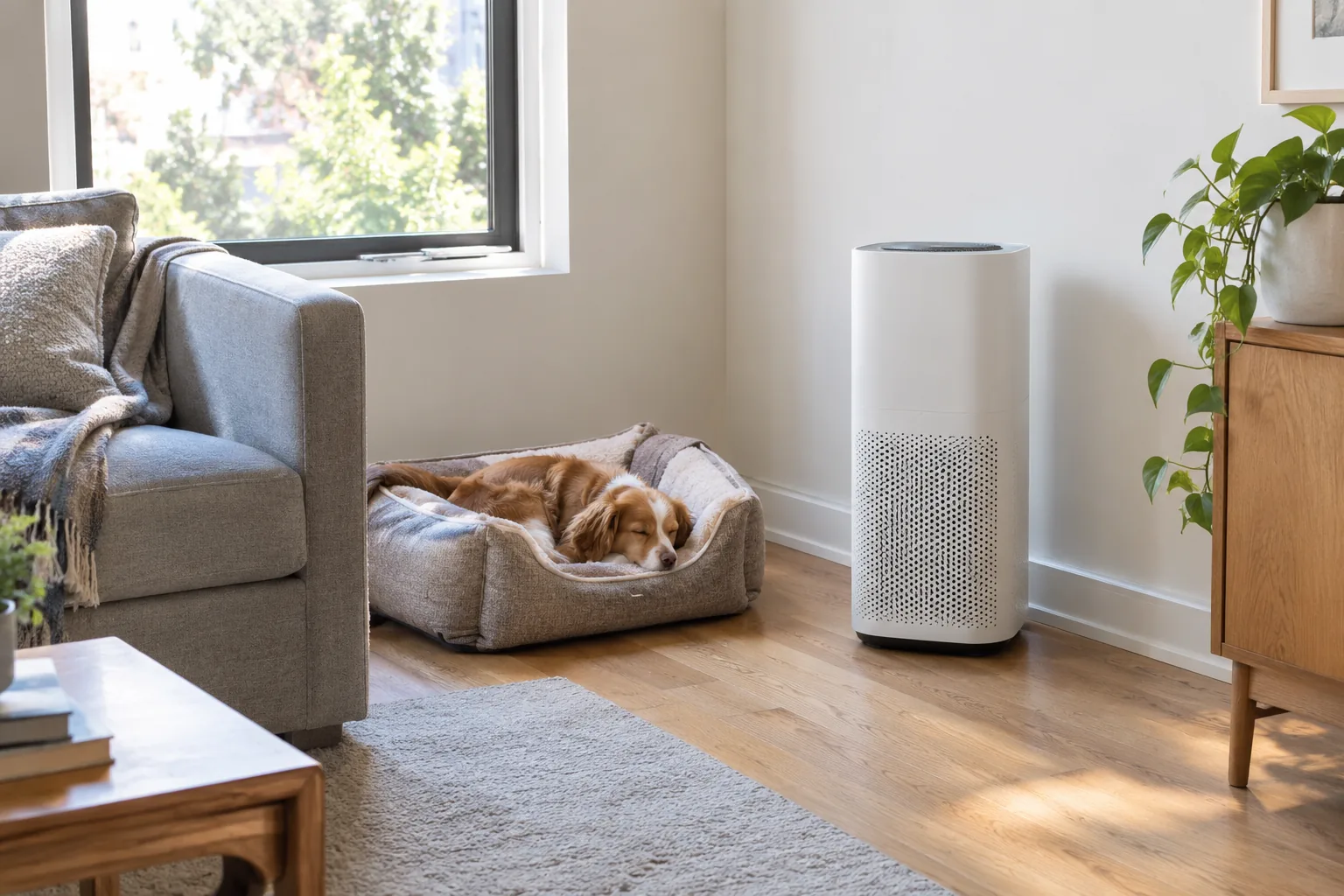
A filter-based unit helps only when it matches the room and sits where air can reach it. If you are comparing a smart pet air purifier with app control, the app is a convenience feature; the filter type and room size are the specs to check first.
- Measure the room in square feet and compare it with the coverage figure in the unit's manual.
- Choose a filter type that matches the job: HEPA-type for dander and dust, activated carbon for odor.
- Place it where the pet spends time, such as the living room or bedroom, not in a closed-off corner.
- Leave open space around the intake and outlet, and keep it away from curtains and furniture.
- Vacuum around the base often, since fur collects at floor edges.
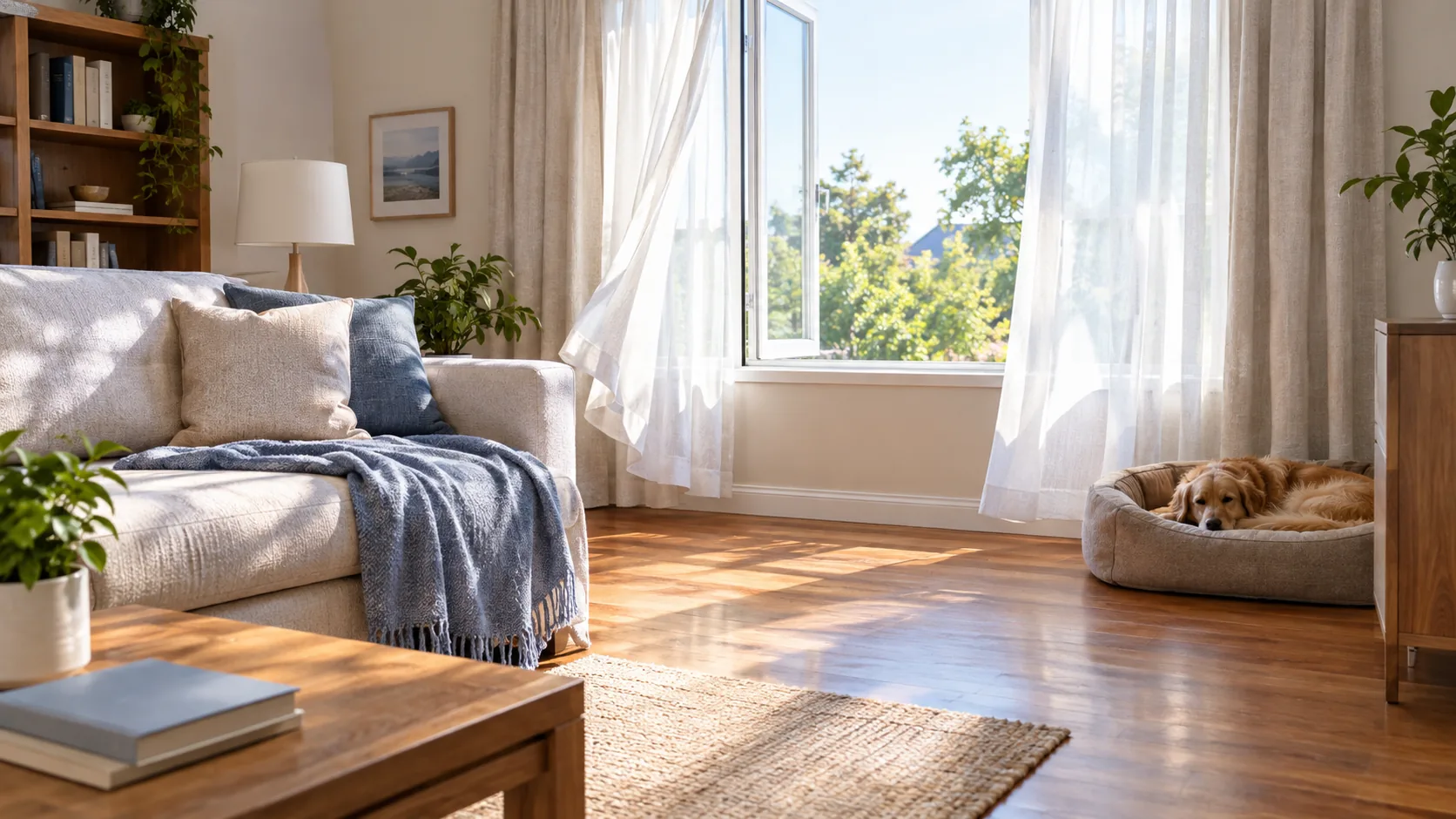
- Close doors and windows in the room while it runs so it works on the same air.
- Check the filter on the schedule in the manual and replace it when the manual says to.
Read the manual for the filter schedule and the cleaning steps for the intake. Unplug the unit before you handle the filter.
How to get rid of pet hair on floors and fabric
If you are wondering how to get rid of all the cat hair in your house, start at the source and finish with the floor. Air cleaning is the last layer, not the first.
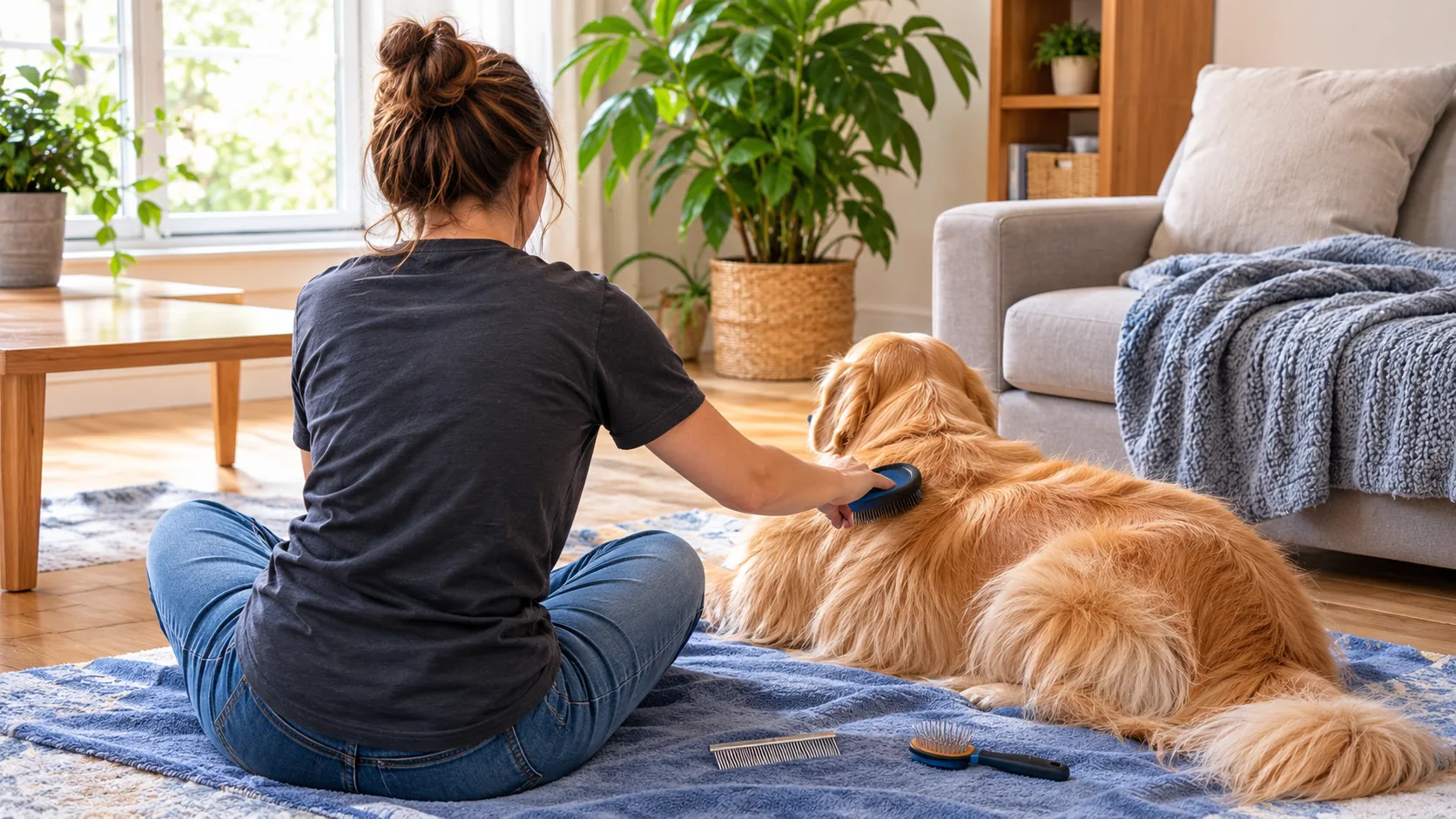
- Brush your pet before the vacuum comes out, so loose coat lands in the brush instead of on the sofa.
- Remove hair from upholstery and throws; our guide to dog hair on a couch, by fabric type matches the method to the fabric.
- Wash pet bedding and covers following the care label.
- Vacuum floors, then go along baseboards and under furniture where hair collects.
- Empty the vacuum bin or dust bin after each run so the hair is not carried back.
For cats, a regular routine matters as much as the tools; see cat grooming at home for a brushing and shedding schedule.
Brush the shedding before it spreads
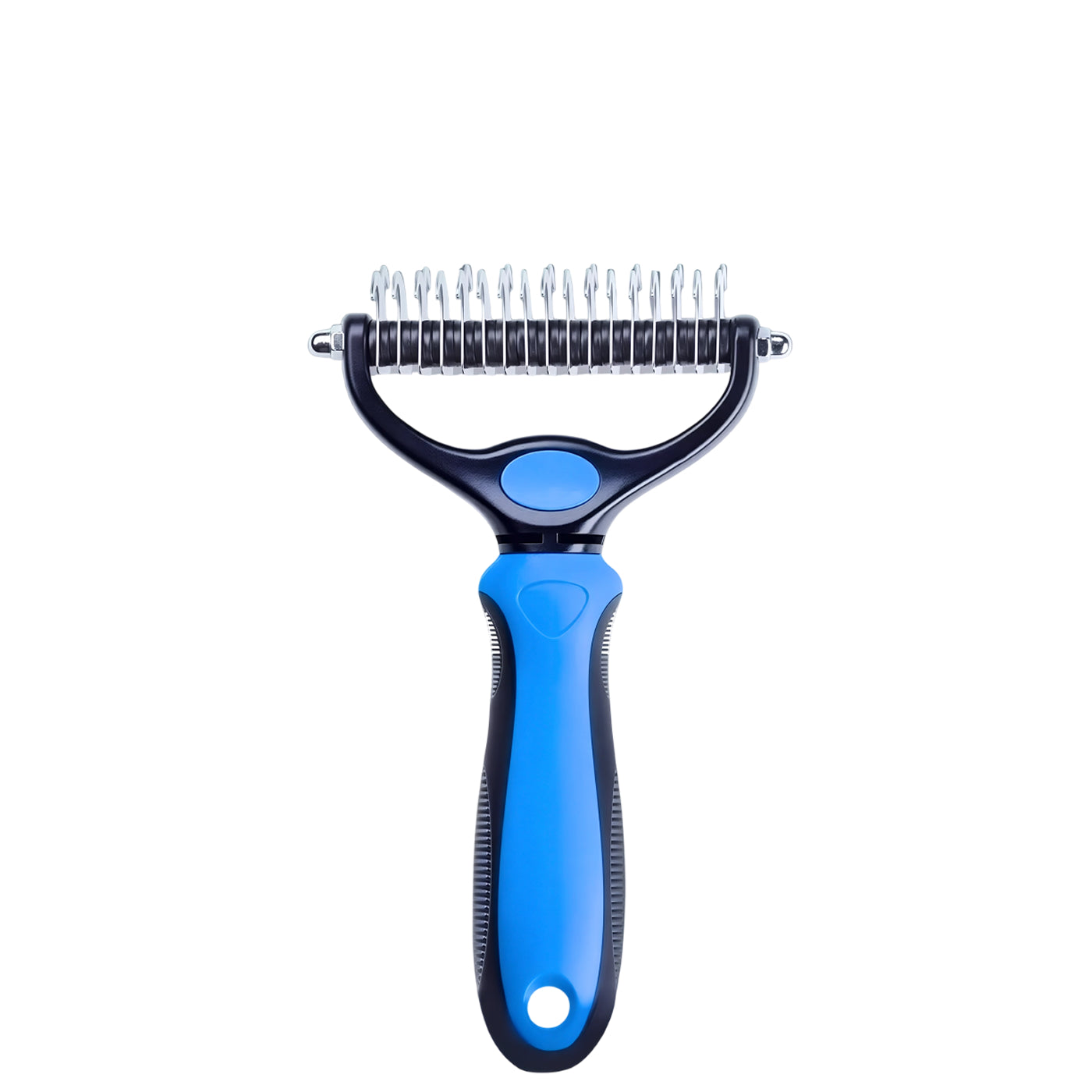
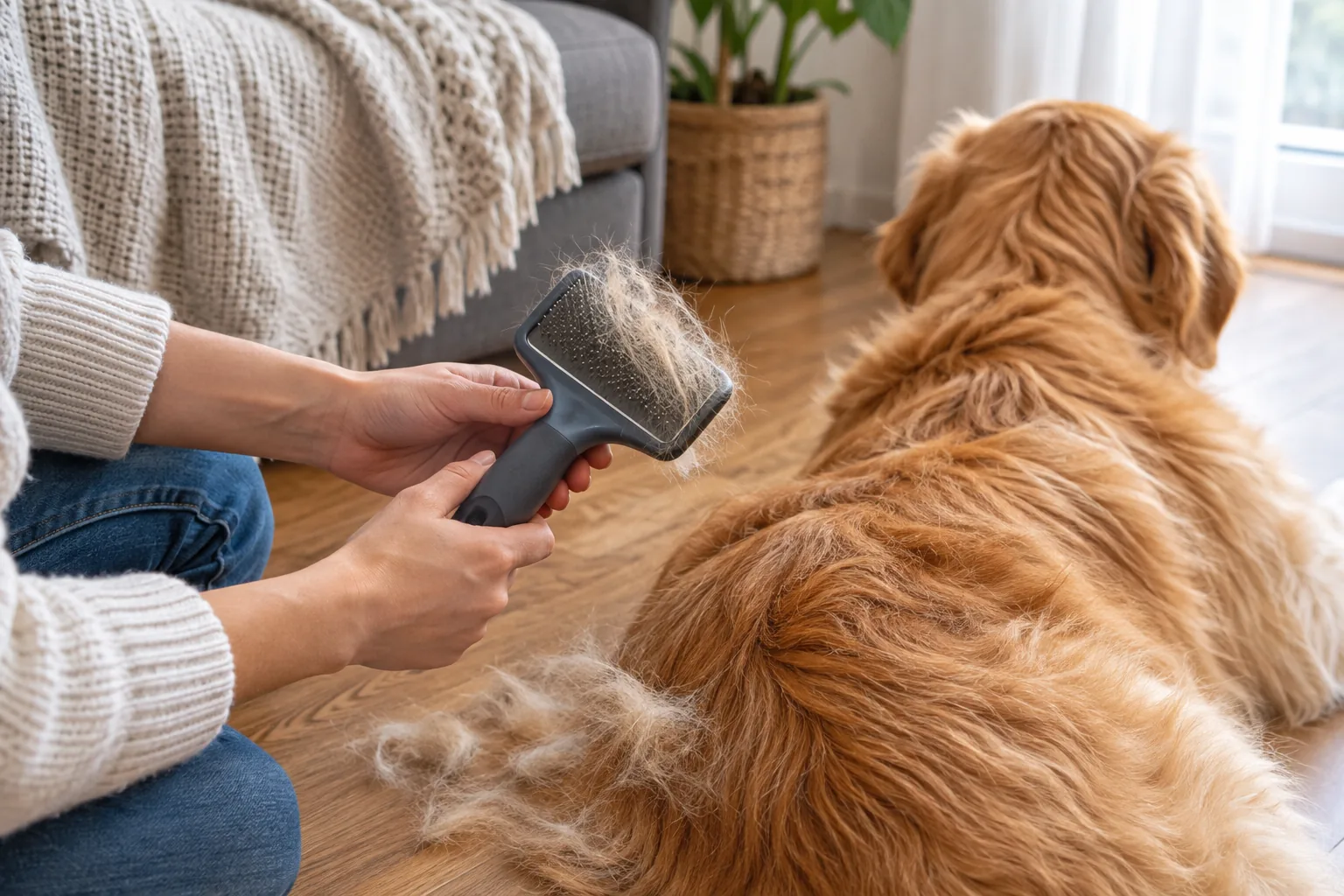
Coatiq is a dual-sided deshedding brush for dogs. The side with nine inner blades works on knots and mats, and the side with seventeen teeth sweeps in the direction the coat grows to lift loose undercoat. The blades are stainless steel, so you can wipe them clean after use. Browse more tools in Grooming & Paw Care.
 In this guideCoatiq$39.99View
Add a robot for daily floor hair
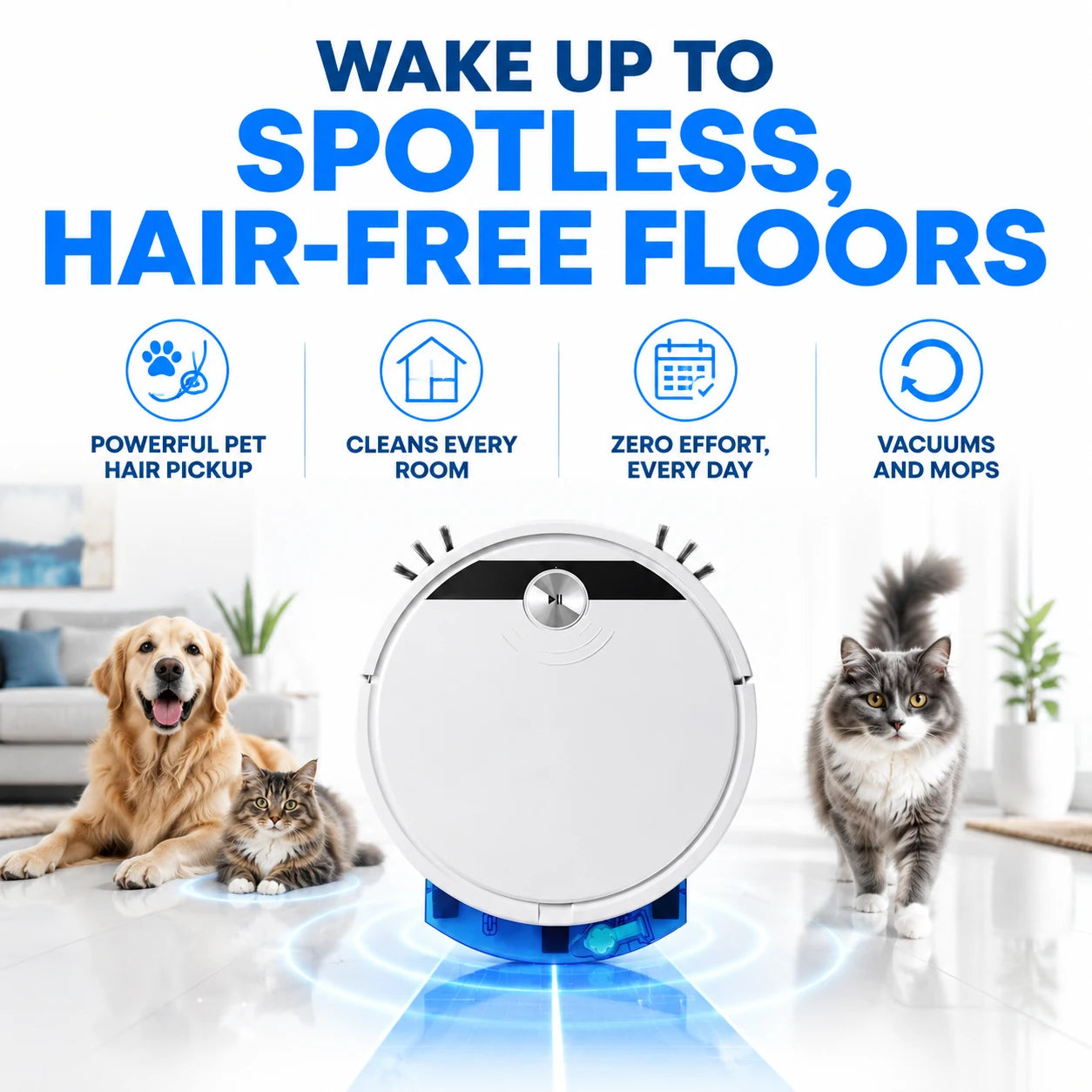
PawSweep Pro is a robot vacuum and mop for homes with pets. It uses flexible rubber extractors instead of bristle brushes to guide hair toward the suction path, with 2800Pa suction and a 300 ml (about 10 fl oz) dust bin. Its body height of 4.5 cm (about 1.8 in) lets it pass under low furniture, and you schedule it from the smartphone app or the handheld remote. Empty the dust bin and check the brushes and mop pad when a run ends.
 In this guidePawSweep Pro$159.99View
Mold, filter life and other limits
Do air purifiers get rid of mold? A HEPA-type filter can capture mold spores that are floating in the air, but it does not remove mold growing on a wall, in a bed or in a damp corner. Fix the moisture source and clean the surface, and ask a professional if the growth is large.
How long do air purifiers last? The unit and its filters follow different schedules, and they vary by model. The manual lists when to replace filters and how to clean the intake, so follow that instead of guessing.
Field note
Put the purifier in the room where your pet sleeps and keep the door closed. Then brush and vacuum in that same room so the filter has less to catch.
Common mistakes with pet air purifiers
- Buying a purifier to solve a floor-hair problem. It does not pick up settled hair.
- Choosing a unit too small for the room.
- Expecting a particle filter to handle litter smell without cleaning the box.
- Pushing the unit against a wall or sofa so airflow is blocked.
- Skipping filter checks, which leaves the unit working with a clogged filter.
- Leaving brushing out of the routine, so loose coat keeps spreading.
Pair a purifier with a steady brushing and vacuuming routine and each tool has its own job: the purifier works on what floats, and the brush and vacuum handle what has landed.