Dog Shedding Brush for Short Hair: Types and How to Choose
A rubber curry brush covers everyday shedding on a short coat; add a bristle brush to finish and a deshedding blade in heavy seasons. Here is how to match each tool to your dog.
The Millbrook Team
November 7, 2026 · 6 min read
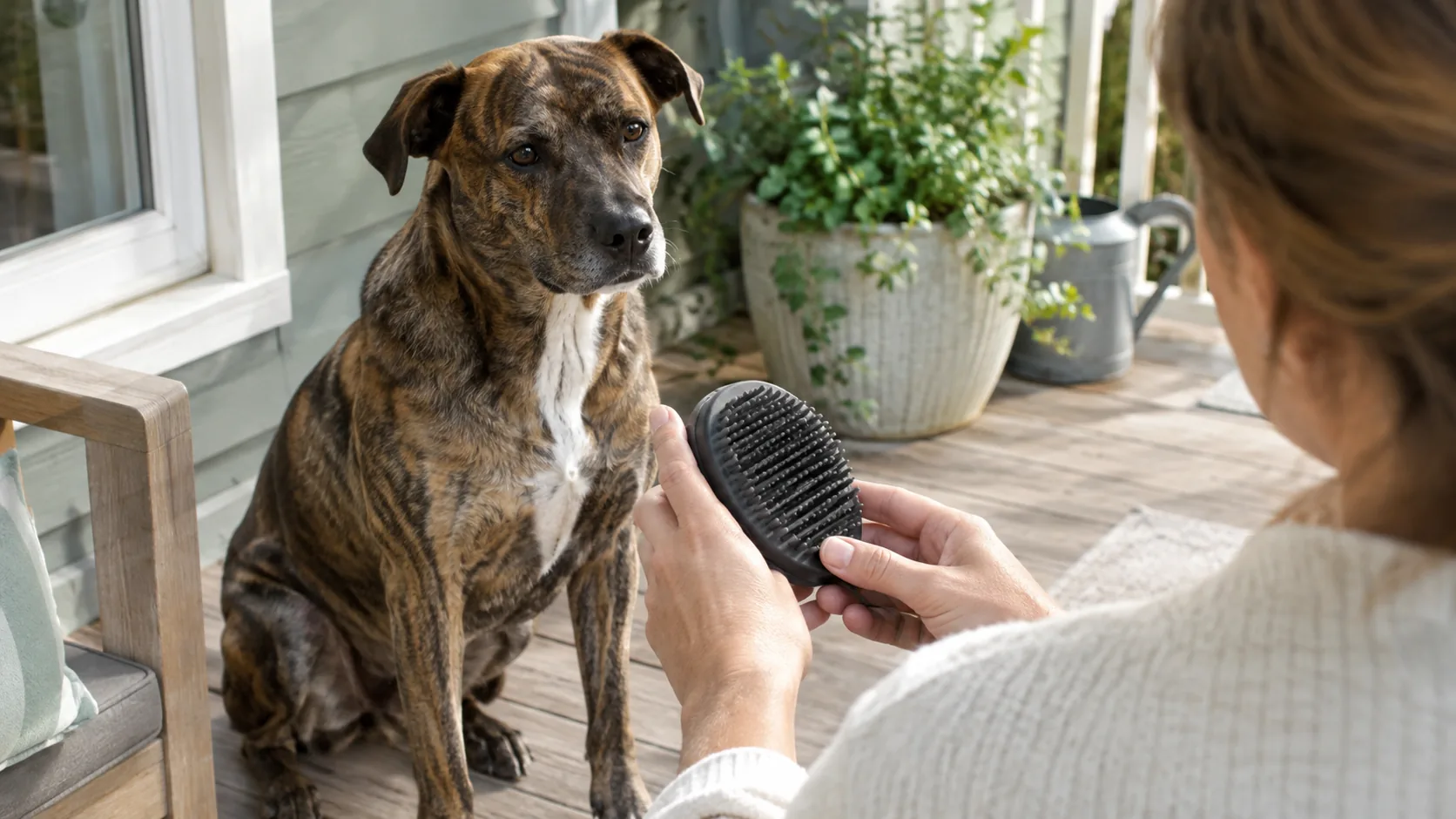
The right dog shedding brush for short hair is a rubber curry brush for regular sessions, paired with a bristle brush to finish the coat. In heavy shedding seasons, add a deshedding blade, or use a pet grooming vacuum to collect loose fur as you work. Pick the tool by coat density and by how much hair your dog is dropping right now.
Short coats hide loose hair well, so it ends up on couches, car seats and clothes instead of in a visible mat. This guide compares the tool types, matches them to coat types, and gives a brushing schedule you can follow.
Do short-haired dogs need a brush?
Yes. A short coat does not mean a low-maintenance coat. Short-haired breeds still shed dead hair, and some, like Labrador-type dogs, carry a dense undercoat that sheds heavily in spring and fall.
Regular brushing lifts loose hair out of the coat before it lands on your floors. It also spreads natural oils along the hair, and it gives you a regular look at the skin, where you can spot dryness, fleas, ticks or bumps. Matting is rare on short coats, but a brush session is still a good time to notice problems.
Dog shedding brush for short hair: the four types compared
Each tool does a different job. The table shows what each one is built for and where it fits in a routine.
| Tool | What it does | Fits which coat | Use it |
|---|---|---|---|
| Rubber curry brush | Flexible nubs grip and lift loose hair; can be used on a dry coat or with shampoo in the bath | Smooth, thin short coats and everyday upkeep | Weekly or more, all year |
| Bristle brush | Fine, close bristles sweep away loose hair and spread natural oils for a finished look | Any short coat, as the last pass | After the curry brush |
| Deshedding blade or rake | Teeth reach into the coat and pull out dead hair and loose undercoat | Dense or double short coats | Seasonal shedding, in short sessions |
| Pet grooming vacuum | Draws loose fur into a sealed bin as you glide the nozzle over the coat | Dogs that accept the sound and handling | Regular sessions and heavy weeks |
Rubber curry brush
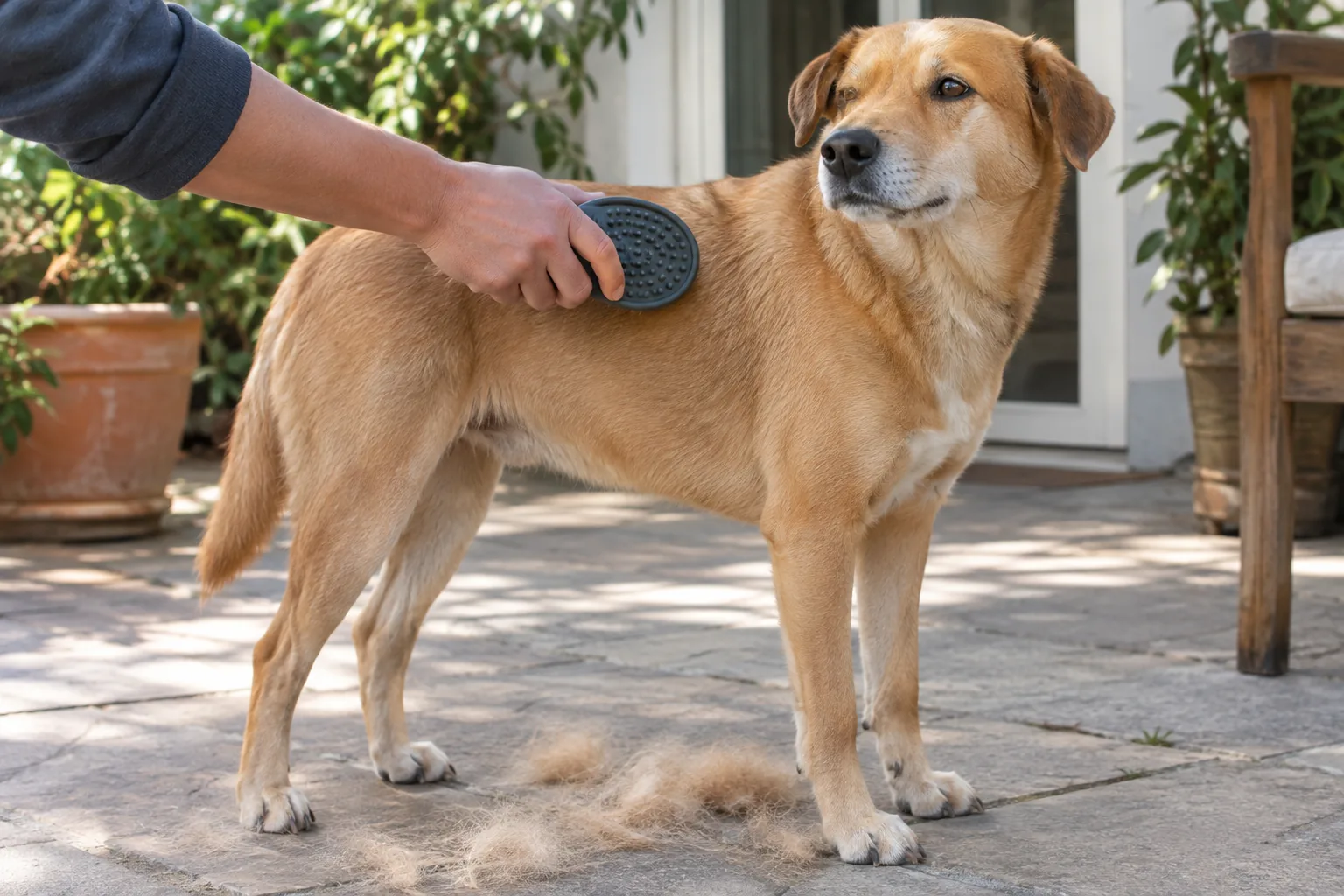
The rubber curry brush is the starting point for most short coats. Work it in small circles, then in the direction of hair growth. Because it is flexible, it suits bony areas like the legs and chest.
Bristle brush
Use a bristle brush after the curry brush to sweep up what was loosened. It is a finishing tool, not a heavy deshedder, so it does not reach deep undercoat on its own.
Deshedding blade or rake
A deshedding tool has metal teeth, so use light pressure and follow the manual. Keep sessions short and skip thin areas such as the belly, where the teeth can scrape skin if you press hard.
Slicker brushes
A slicker brush has fine wire pins and is built for tangles. On smooth short coats there is little to untangle, so it is optional. Consider it only for a dog with feathering on the tail or legs.
Match the brush to your dog's coat
Short coats are not all alike. Look at density and how the hair lies before you buy.
- Smooth, thin coats (for example a dachshund or a whippet-type dog): a rubber curry brush and a bristle brush are enough.
- Short, thick single coats (for example a pit bull-type dog or a boxer-type dog): a rubber curry brush does most of the work; add a bristle brush to finish.
- Short, dense double coats (for example Labrador-type dogs): add a deshedding blade or a grooming vacuum for the heavy weeks.
- Dogs with skin that looks red, flaky or bare in patches: use the softest tool and ask a veterinarian before you brush that area.
If your dog dislikes a tool, switch types before you force it. A flexible rubber brush is a good one to introduce first, and a few treats during the first sessions help your dog link brushing with something good.
How often to brush a short-haired dog
The schedule depends on the season. A weekly session is a reasonable baseline, and you can raise it when more hair is coming out.
| Situation | Frequency | Tool |
|---|---|---|
| Normal weeks, thin short coat | Once a week | Rubber curry brush, then bristle brush |
| Normal weeks, dense short coat | Two or three times a week | Rubber curry brush, then bristle brush |
| Spring and fall shedding | Daily or every other day | Deshedding blade or vacuum, then bristle brush |
| Bath day | Before and after the bath | Rubber curry brush |
Keep each session short and end while your dog is still relaxed. Brush before a bath so loose hair does not clog the drain, and again after drying.
Using a pet grooming vacuum for heavy shedding
During peak shedding, a brush loosens hair but you still have to pick it up. A pet grooming vacuum draws loose fur into a sealed bin as you glide the nozzle over the coat.
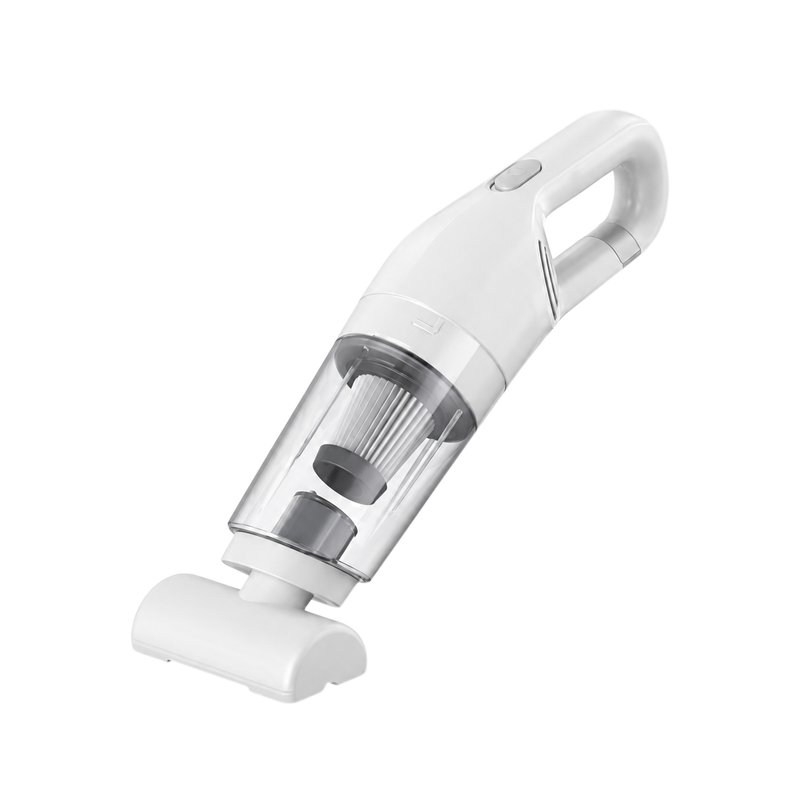
ZephyrGroom is a cordless pet grooming vacuum with an 8-core cyclone motor and a sealed dust cup. It runs on a 4000mAh battery, so there is no cord to manage while you work. You charge it fully, press the single power button, and glide the nozzle along the coat or over furniture.
When you finish, twist off the dust cup and tap the fur into the trash. The filter is washable and reusable: rinse it under water and let it dry before the next session. The box includes the vacuum and a user manual.
ZephyrGroom runs at one steady pitch. If your dog is new to grooming tools, let them sniff it while it is off, then try a short session. The article on getting your dog or cat used to a pet vacuum walks through that introduction step by step. If loose hair on upholstery is your main worry, how to get dog hair off a couch, by fabric type covers each material.
 In this guideZephyrGroom$89.99View
A brushing session, step by step
- Pick a spot you can sweep easily, such as a patio, a bathroom floor or a washable mat.
- Run your hands over the coat first. Check for bumps, fleas, ticks and dry patches.
- Start with the rubber curry brush in small circles, then stroke in the direction the hair grows.
- Use the deshedding blade only on the back, sides and hindquarters, with light pressure and short strokes.
- Finish with the bristle brush, or glide a grooming vacuum nozzle over the coat if your dog accepts it.
- Reward your dog, then empty the brush and the bin and clean the tools.
Common mistakes with short-coat brushing
- Pressing hard with a deshedding blade. Use light strokes, keep the session short, and stop if the skin looks red or your dog pulls away.
- Using a slicker brush on a smooth coat, where its pins can scratch skin.
- Skipping the finishing pass, which leaves loosened hair sitting on the surface of the coat.
- Brushing only in spring and fall. Some dogs shed hair all year, especially indoors.
- Letting sessions run long until the dog squirms away. Short, calm sessions build the habit.
Brushing is one part of a wider routine, so browse the Grooming & Paw Care collection for other grooming tools.
Does brushing reduce shedding?
Brushing does not stop a dog from shedding, because shedding is a natural coat cycle. What it does is collect loose hair in the brush or bin instead of on your furniture. If you notice sudden heavy shedding, bald patches, or skin that looks irritated, ask a veterinarian about possible causes.
Field note
Brush outdoors or over a washable mat during heavy weeks, and clean the brush or empty the vacuum bin after each session so loose hair does not spread back onto the coat.