How Does a Cooling Pad for Dogs Work? Gel, Water, Fabric
A cooling pad gives your dog a cooler surface so warmth moves into the pad. Compare gel, water and fabric types, then learn where to put one and how to use it.
The Millbrook Team
November 22, 2026 · 7 min read
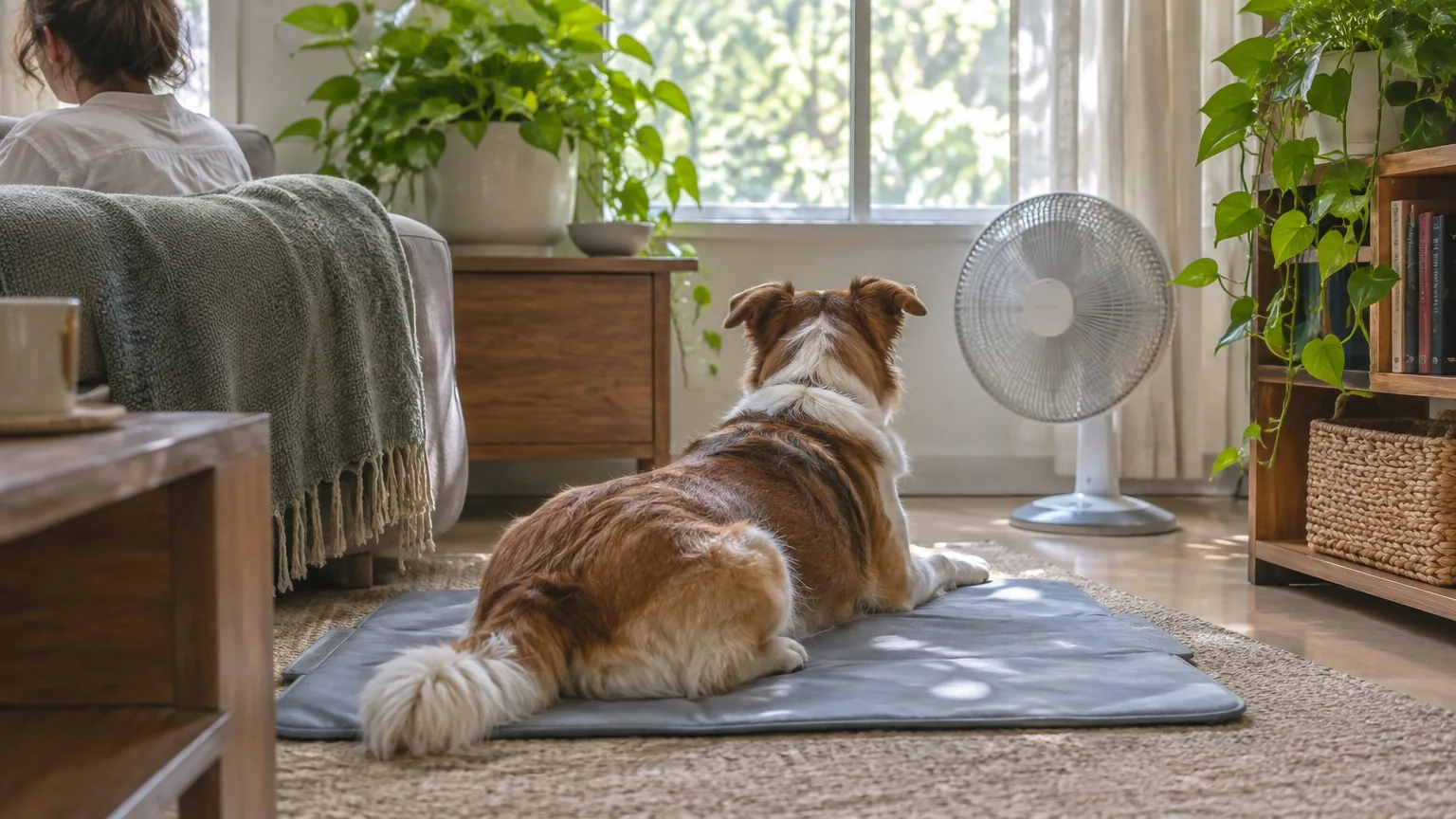
How does cooling pad for dogs work? A cooling pad gives your dog a surface that is cooler than the body, so warmth moves from the dog into the pad through contact. Gel, water-filled and fabric pads all rely on that same transfer, and they differ in what holds the warmth and how you set them up.
The pad does not chill the room or lower the air temperature. It only affects the spot where your dog lies, so it is one tool among shade, fresh water and a cooler indoor space on hot days.
How does cooling pad for dogs work, step by step?
Heat moves from a warmer object to a cooler one. When your dog lies down, the body is warmer than the mat, so warmth passes into the mat. That is the idea behind every cooling pad, whatever the filling or fabric.
Three things decide how the transfer goes: the contact area, the starting temperature of the pad and how much warmth the material can hold. A dog stretched out flat touches a larger area than a dog curled up, which is why the shape and size of the pad matter.
Once the pad has taken in about as much warmth as it can hold, it matches your dog's body temperature at the contact spot and no longer draws warmth. Moving off the pad lets the material release that warmth into the air. Some designs reset on their own when the dog gets up; others need a rest period or a refill.
Gel, water and fabric cooling pads compared
Here is a side-by-side of the main types, with how each one is set up and what to watch for.
| Type | What takes in the warmth | Setup | Watch for |
|---|---|---|---|
| Gel pad | Gel layer that responds to weight and warmth | Lay flat; some need no freezer, water or power | Claws or chewing on the cover |
| Water-filled pad | Water inside a sealed chamber | Fill, seal and lay flat; some can be chilled first | Leaks, weight and refilling |
| Fabric pad | Woven fibers that move warmth away from the contact area | Lay flat; some are dampened first | Thin material; damp spots on floors |
| Electric pad | Powered cooling element | Needs an outlet and a cord | Cords within reach of chewing |
Gel pads
A gel pad has a gel layer inside a cover. Your dog's weight and warmth set the gel working, and the pad resets after your dog gets up. A self cooling pad of this kind has no cord and no filling to prepare, which suits a crate or a car seat.
Water-filled pads
Water holds a lot of warmth, so a water pad can take in heat from a lying dog for a good while. You fill it, close it and lay it flat. The trade-off is handling: the pad is heavy when full, and a puncture means a wet floor.
Fabric pads
Fabric pads, sometimes sold as ice silk mats, use a smooth woven surface that moves warmth away from where the dog lies. They are thin and light, and some versions are dampened before use. Check the care label for what the maker allows.
Electric pads
An electric cooling pad needs an outlet, so the cord is part of the setup. If your dog chews, keep the cord out of reach or pick a type without one. Follow the manual and unplug before cleaning.
Where to put a cooling pad
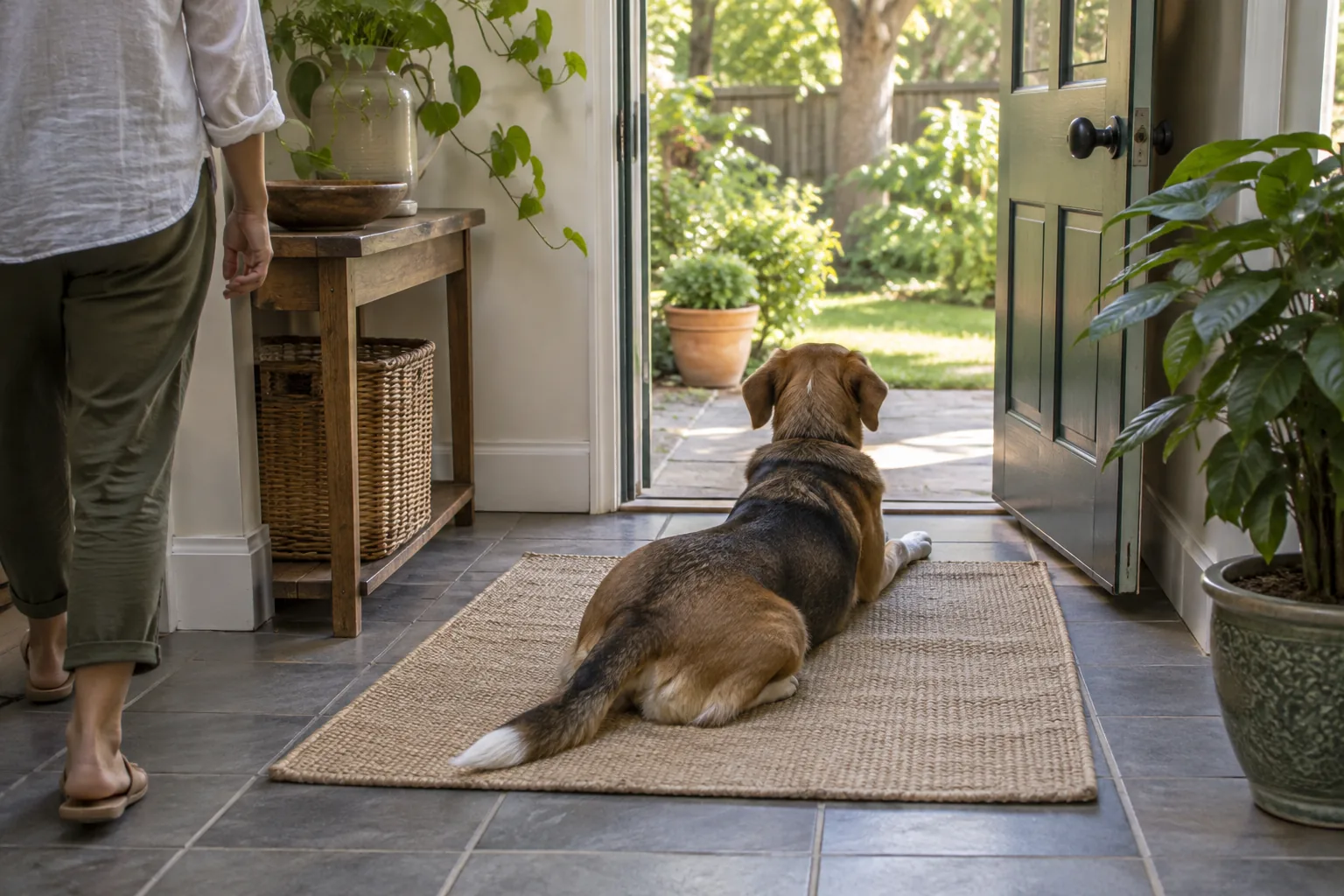
Pick a spot your dog already likes and that stays out of direct sun. A shaded floor, a tiled hallway, a crate or a porch corner all work. Direct sun warms the pad itself, and then it has little room to take in warmth from your dog.
Indoors, outdoors and in the car
For an outdoor cooling pad setup, choose a shaded patio or deck and bring the pad in when your dog is done. A pad left in sun, on hot pavement or in a parked car stays warm and does not do its job. Do not leave a dog alone in a parked car; use the pad on a car seat only while you are traveling with your dog and the air conditioning is on.
Large dogs
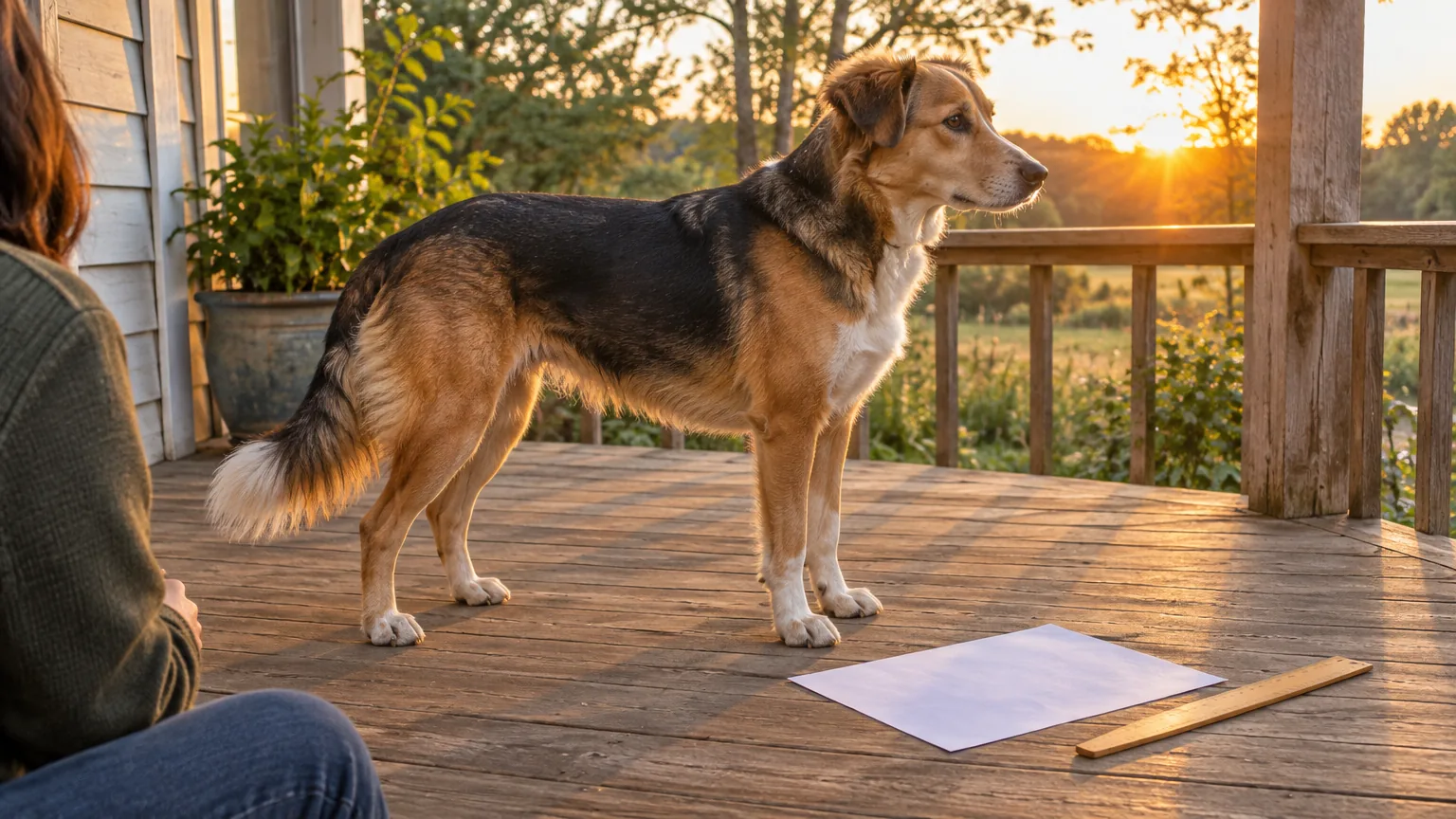
For a large dog, pick a size that fits the space your dog takes up when stretched out. If the chest and hips hang over the edge, the pad touches only part of the body. You can lay two pads side by side; check that the edges do not slide apart.
How to use a cooling mat for a dog
- Read the care and usage guide that comes with the mat, and follow the manual for filling, chilling or power if your type needs it.
- Choose a flat, shaded spot away from heaters, windows with direct sun and busy doorways.
- Lay the mat flat so there are no folds or bunched corners.
- Stay close by for the first few sessions, especially if your dog likes to chew new items.
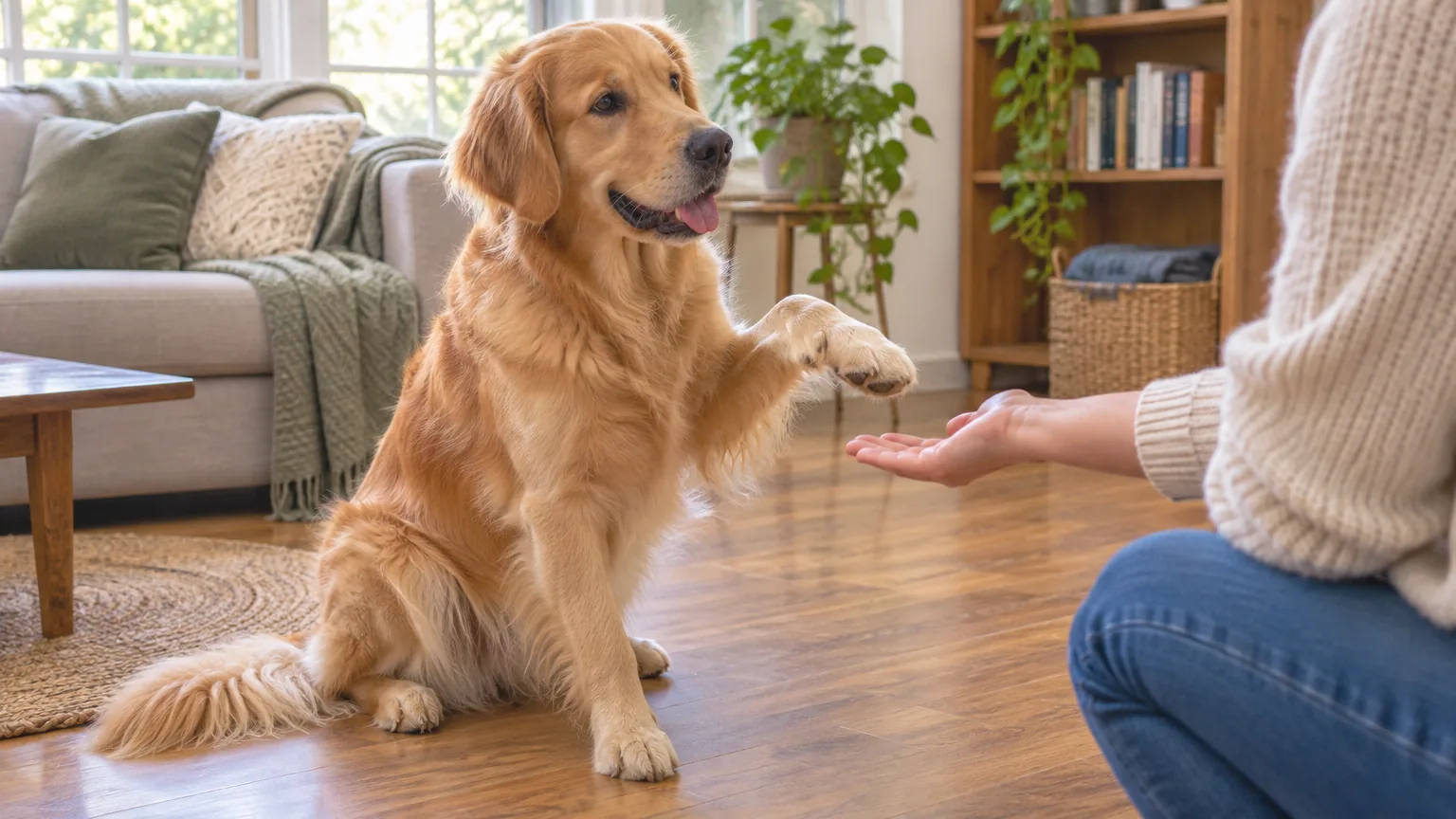
- Invite your dog onto the mat with a calm cue and a food reward. Do not push or lift your dog onto it.
- Let your dog choose when to get up. Keep fresh water within reach.
- After use, wipe the surface according to the care label and let it dry before storing.
Field note
Lay the mat down ahead of the hot day and let your dog sniff it with no pressure. A mat your dog already knows is simpler to introduce in a crate or car.
A no-power gel option
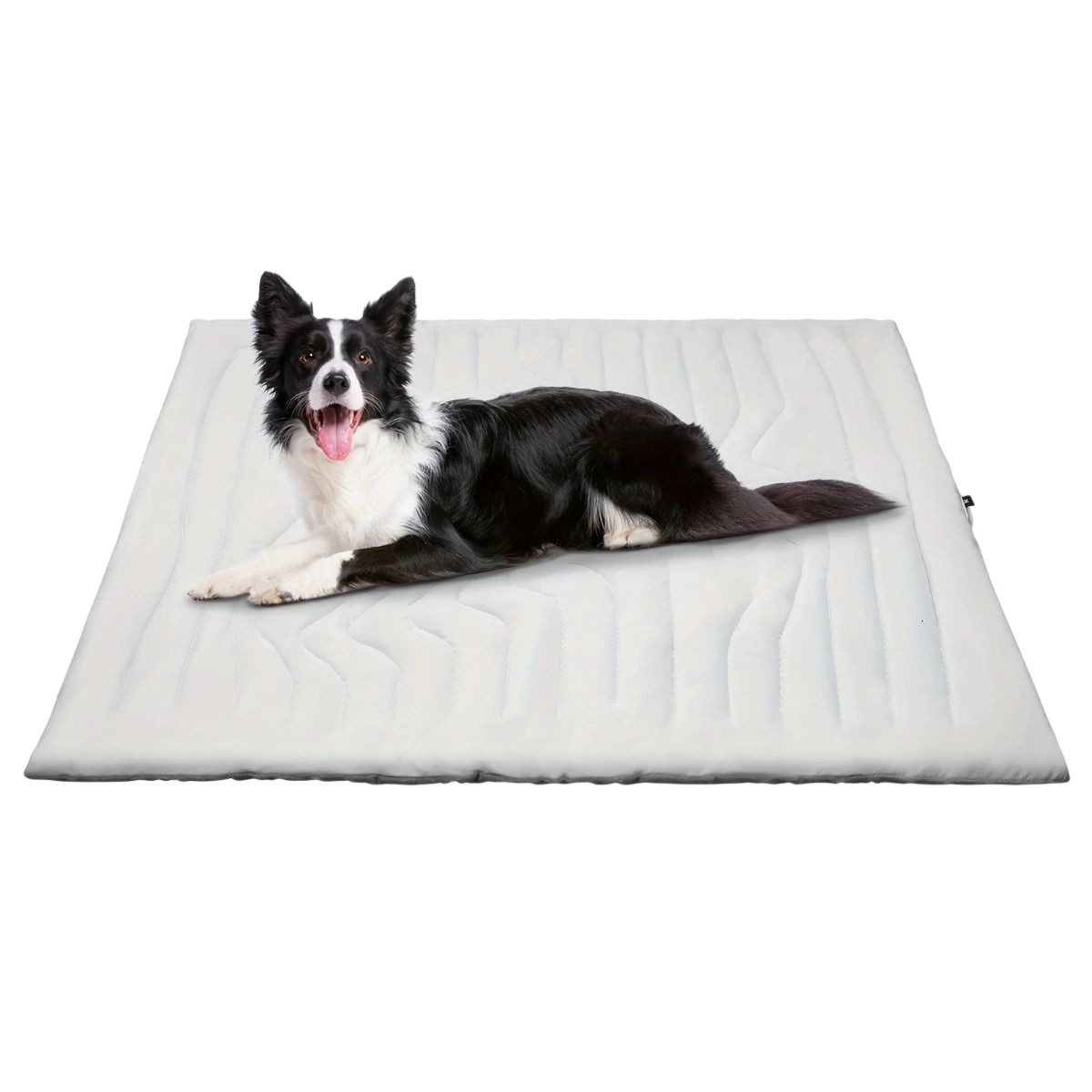
If you want a gel pad with no setup, ChillDen is a gel cooling mat for dogs to rest on. It responds to your dog's body weight and warmth, so it needs no freezer, water or power outlet. When your dog gets up, the mat resets on its own.
You can lay it on the floor, in a crate or on a car seat, and you choose the size that matches your dog. It has a reinforced construction meant for everyday use and comes with a fold-and-go travel pouch and a quick-start care and usage guide.
 In this guideChillDen$39.99View
What is a good non-gel cooling mat for dogs?
If you prefer to skip gel, the water-filled pad and the fabric mat are the two main routes. A water pad suits a dog that stays in one spot and a home where leaks are simple to wipe up. A fabric mat suits a dog that moves around, since it is light and rolls up.
A DIY option is a towel dampened with cool water and wrung out, laid over a plastic sheet so the floor stays dry. It holds little warmth and dries out, so you will need to swap it as it warms. Check that your dog does not chew the towel.
Choosing a cooling pad: a checklist
| Question | What to check |
|---|---|
| Where will it go? | Crate, car seat, patio or floor decides the size and the type |
| Does it need power or water? | Cords and fills add setup steps |
| Does your dog chew? | Pick a type without a cord and stay close at first |
| How big is your dog stretched out? | Match the pad to that space |
| How is it cleaned? | Read the care label before you buy |
A pad that fits the space and the habits of your dog gets used; one that is awkward to set up stays in the closet.
Care and common mistakes
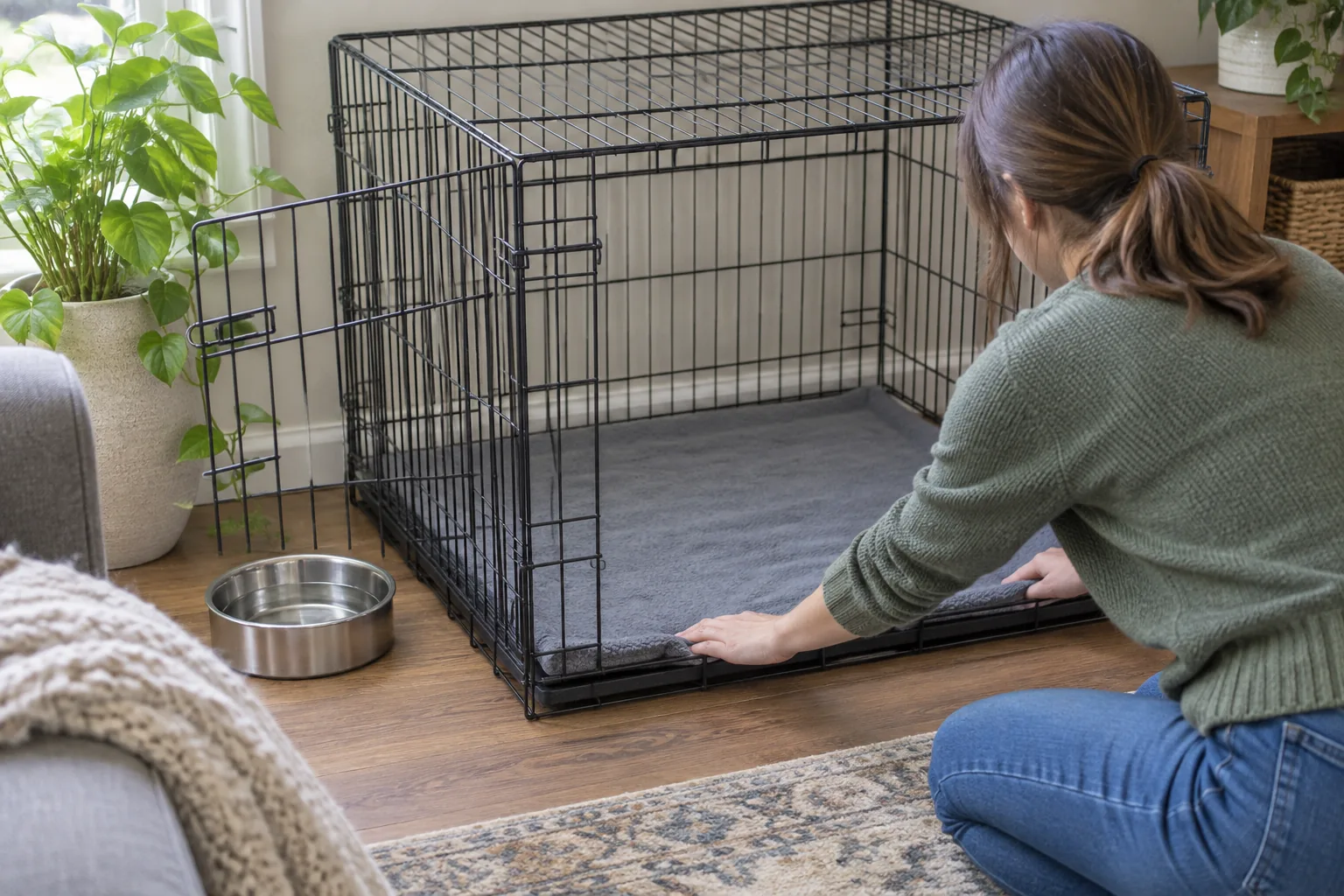
Wipe the surface after use according to the care label and let it dry before folding. If the mat has a removable cover or sits in a bed, see Cleaning a Dog Bed for foam, cover and hair removal steps.
- Placing the pad in sun or next to a heater.
- Folding it while damp.
- Leaving a chewing dog alone with a new mat.
- Relying on the pad alone instead of shade and fresh water.
- Leaving a dog in a parked car, with or without a pad.
If your dog is panting heavily or seems unwell in the heat, move to a cooler place and call your veterinarian. Ask your veterinarian about feeding or care questions too.
If your dog likes to claim the couch for naps, a mat gives a floor spot to aim for; How to Keep Dogs Off Furniture covers training and a better spot. More bedding and comfort gear is in the Home Comfort & Cleanup collection.
Summary: how does cooling pad for dogs work
The pad takes warmth from the part of your dog that touches it. Gel, water and fabric types differ in what holds that warmth and in setup, so pick by where it will sit, whether your dog chews and how you plan to clean it.