Cat GPS Tracker No Subscription: What You Give Up and Gain
A cat GPS tracker with no subscription usually trades range or live maps for a one-time price. Here is how GPS, Bluetooth and RF compare, and how to check the real cost.
Dana Whitfield
October 17, 2026 · 9 min read

A cat GPS tracker no subscription setup usually means a tradeoff. Live map tracking over long distances typically needs a SIM card and data plan, while Bluetooth and RF trackers avoid recurring fees at the cost of range or convenience. Confirm how any GPS unit sends its location to your phone, and which app features sit behind a paid tier.
This guide explains how each tracking method works, what you give up and gain, how to calculate the running cost, and how to set a tracker up on your cat's collar.
Cat GPS tracker no subscription: what the phrase really means
Three separate things can be called a subscription:
- A cellular data plan. Some trackers have a SIM card inside and send their position over a mobile network, which needs a connection plan billed monthly or yearly. This is the classic monthly fee.
- An app membership. Some trackers work out of the box but lock history, geo-fences, or alerts behind a paid tier. This is an ongoing subscription of a different kind.
- A one-time purchase with no recurring fee. This is the plain meaning of no subscription, and it is typically how Bluetooth and RF devices work.
Ask two questions of any listing: how does the location get from the collar to your mobile phone, and which features does the app lock? The answers tell you the true cost. The second question is the one to settle before you order.
GPS vs Bluetooth vs RF: the tradeoffs
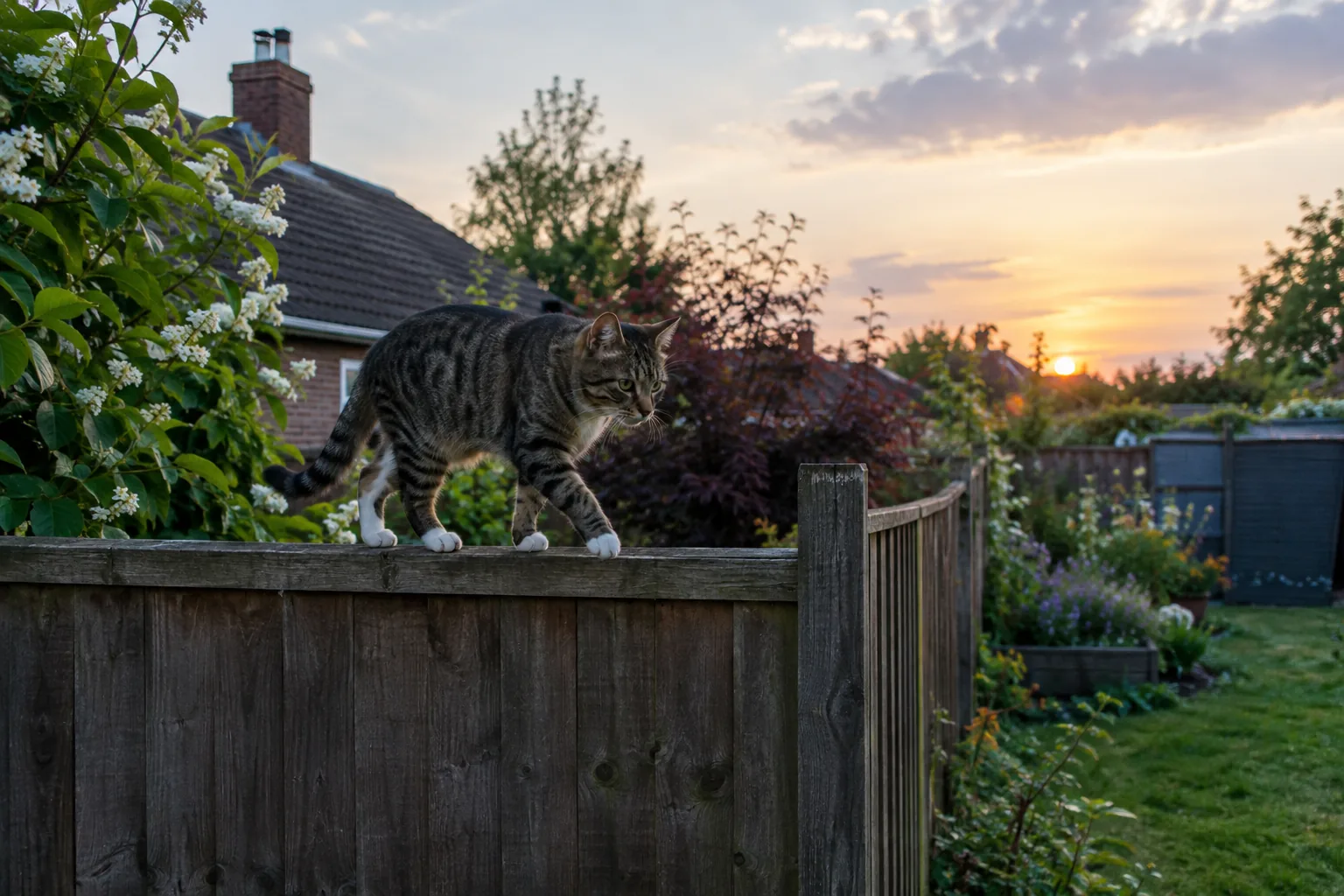
Each tracking method answers a different question. GPS shows where the cat is on a map. Bluetooth shows whether the cat is close to your phone. RF shows which direction to walk to find the collar.
| Type | How you see location | Ongoing fee | What you give up |
|---|---|---|---|
| GPS with cellular link | Live map in a smartphone app | Varies: often a data plan or paid app tier | Possible recurring cost, and you must charge it |
| GPS with its own radio link | Position sent to a handheld or base unit, not over a mobile network | Typically none | Shorter reach than a cellular link; an extra receiver to carry |
| Bluetooth | Nearby signal or last-seen spot | Typically none | Short range; no live map when your cat is far away |
| RF (radio handheld) | Handheld receiver points toward the collar | Typically none | Extra handheld to carry; terrain and buildings affect the signal; no phone map |
GPS with its own radio link
This category is easy to overlook. The collar unit still reads satellite positions, but it passes them to a handheld or base unit over a long-range radio link instead of a cellular plan. Because no mobile network is involved, there is typically no data plan to buy.
The tradeoff is reach. The radio link covers a smaller area than a mobile network, and hills, dense trees, and buildings can interrupt it. You also carry a separate receiver rather than just using your smartphone. For a cat with a defined territory around home, that can be a fair deal.
Bluetooth trackers
A tracker that uses Bluetooth is small and simple. It connects when your phone is within a short distance, so it suits an indoor-outdoor cat that stays in the yard or the house. Some tags rely on other people's phones passing by to report a last-seen location. That helps in busy neighborhoods and much less on a quiet rural road.
RF trackers
A radio frequency tracker has a collar transmitter and a handheld receiver. Because it does not depend on a mobile network, it can work where phone coverage is weak. The cost is that you walk the area following the signal, and trees, hills, and buildings can change how the signal behaves.
GPS trackers with a cellular link
A GPS tracker receives signals from satellites to work out position. Getting that position to you requires a link to your phone, and that link is where a plan may come from. Some devices combine satellite positioning with Wi-Fi and cell-tower location data, so they can place your cat where satellites are hard to see, such as a dense street. Count this as a GPS feature, not a separate type, and still check how the location reaches your app.
What is the range of a GPS tracker?
A listing may promise unlimited range. The satellite side has no range limit in the usual sense, because the collar listens to satellites overhead. The reach you get depends on network coverage, because the position still has to travel to you. A tracker that reports over a mobile network works wherever that network does. A Bluetooth tag only works within the distance between the tag and a phone. An RF handheld depends on line of sight and terrain.
Also think about how far your cat actually roams. A cat that stays within a few yards of home has different needs than one that crosses several backyards.
Features worth comparing beyond the fee
Once you know how the location travels, compare the additional features. These are the ones that change daily use.
Real-time tracking and route history
With live tracking, the map updates while your cat moves, so you can follow a route instead of guessing. Route history shows where your cat went earlier, which helps you spot regular hiding places. Bluetooth tags and RF handhelds generally do not offer this.
Virtual fence alerts
A virtual fence is a boundary you draw on the map, usually around your home. This is useful for a cat that slips out the door: the app sends a push alert when the boundary is crossed, and you can open the map from there.
Activity monitoring
Some trackers log steps, distance, and active time, so you can read location and activity in one place. Use these as a record of habits only. If your cat's routine changes and you are concerned, ask a veterinarian.
Battery, update frequency, and charging
Battery life varies by device, by how often it reports a position, and by how much your cat roams. A tracker set to report often will usually need charging more often than one that reports occasionally, so read the manual for the available modes. Check the charging port type and whether you can fit charging into your week. A dead tracker locates nothing.
Weight and fit
Cats are small, so tracker weight matters. Look for the listed weight and a clip or collar design that sits flat against the pet's collar.
How to work out the true running cost
Compare devices over the time you expect to use them, not just at checkout. A cat GPS tracker no subscription listing can still carry costs, so use this list:
- Purchase cost of the tracker and any collar you need to add.
- Plan cost, if a data plan is needed, multiplied by the number of months you will use it.
- Locked features. Check whether route history, geo-fence alerts, or activity logs need a paid tier.
- Charging habits. Look at the charging port and how you will fit it into your routine.
- Replacement parts such as spare collars or clips.
A device with a one-time price can still cost you in effort if your cat goes missing again because the range was too short. Match the technology to your cat's habits first, then compare prices. If a seller does not say clearly what you don't have to pay for, resolve that question before ordering.
Field note
Before you buy, open the listing and the app description and look for the words "plan," "membership," "premium," "SIM," and "data." If you cannot find a clear answer on what is required, ask the seller before ordering.
A GPS tracker to compare: NovaPaw
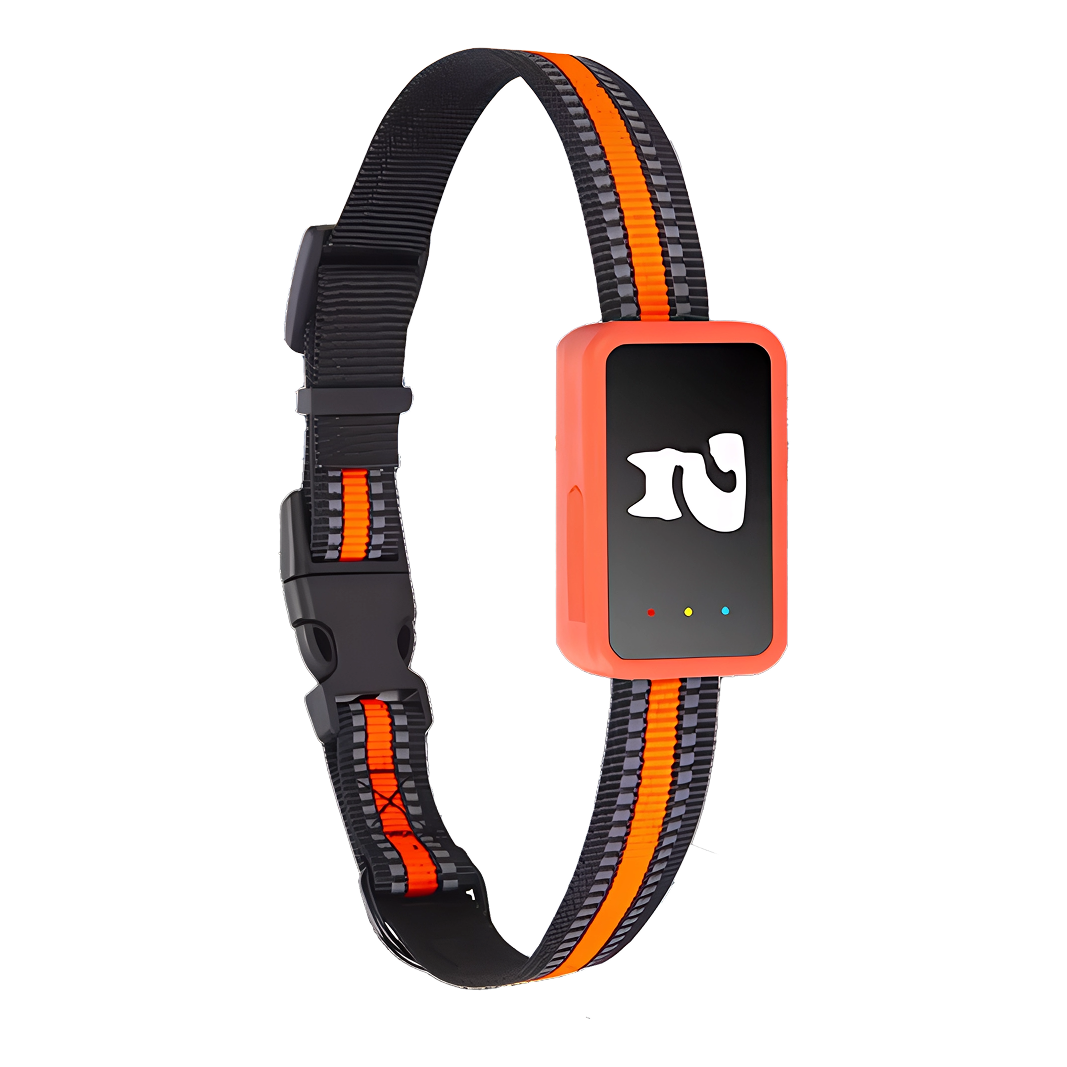
NovaPaw is a cat GPS tracker that clips onto a collar and pairs with a smartphone app. It combines GPS, BDS, AGPS, Wi-Fi, and LBS positioning to show a location on a map, so it uses both satellite and network signals, in a city apartment or in a rural area.
In the app you see the live map and route history, draw a geo-fence boundary around your home, and receive push alerts when your cat crosses it. The tracker also logs daily steps, distance, active time, and sleep patterns, which you read in the app history.
It weighs 27g, and the box includes an adjustable pet collar, a USB Type-C charging cable, and a user manual. When your cat is at home, it switches to a Wi-Fi low-power mode, and it uses full GPS when your cat roams.
 In this guideNovaPaw$119.99View
Which type fits your cat
Indoor apartment cat that slips out
A Bluetooth tag or a geo-fence alert is often enough. You want to know when your cat leaves the building or yard and then search close by. In an apartment, hallways, stairwells, and neighbors' balconies are the first places to check.
Indoor-outdoor cat in a suburb
A map-based tracker with a home boundary shows where your cat spends the day. Route history helps you know where to look first next time.
Rural cat with large territory
Consider a handheld RF receiver or a radio-link GPS unit if mobile coverage is patchy, or a cellular-linked tracker if your coverage is solid. Neither suits every property, so think about terrain.
Cat that travels with you
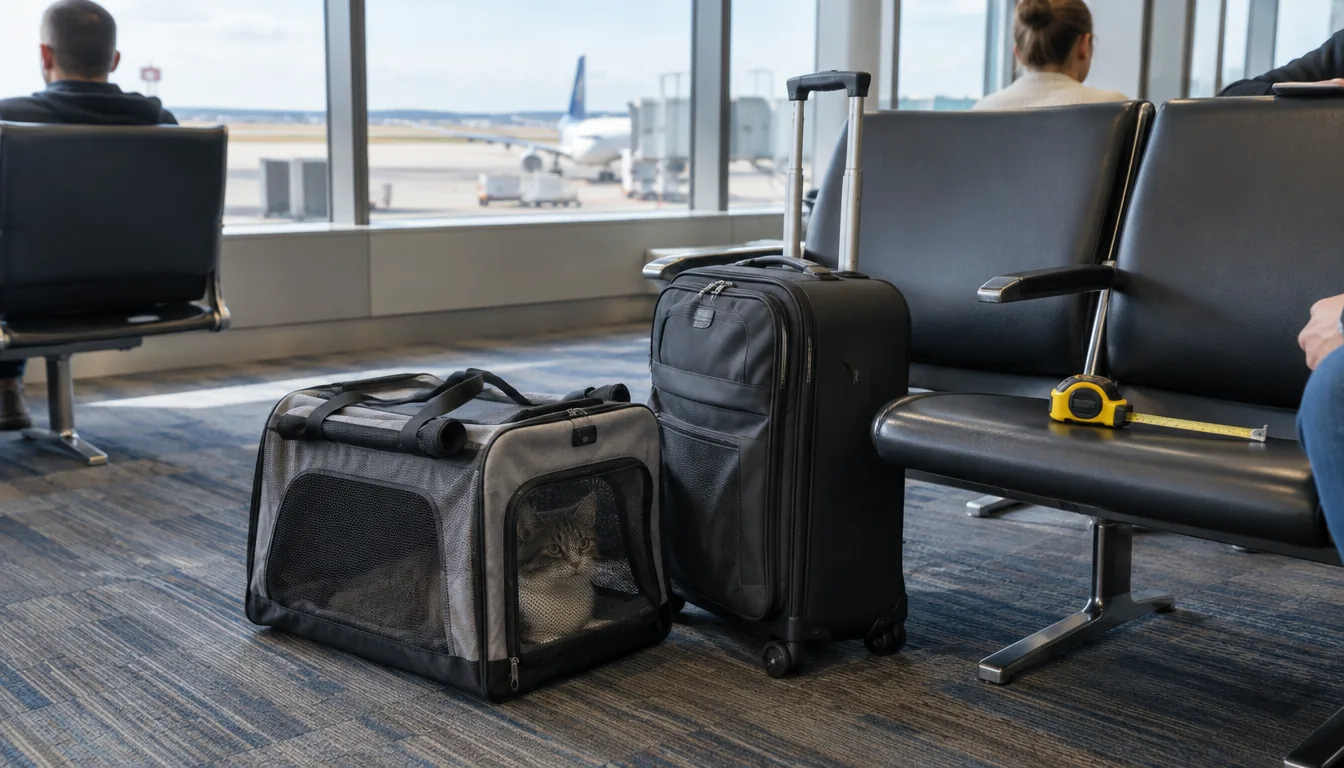
If your cat rides in the car or on a plane, a collar tracker is a backup, not a replacement for a secure, correctly sized carrier. Measure the carrier before you travel.
The same logic applies to cats and dogs alike: match the tracking device to how far and where the pet actually wanders.
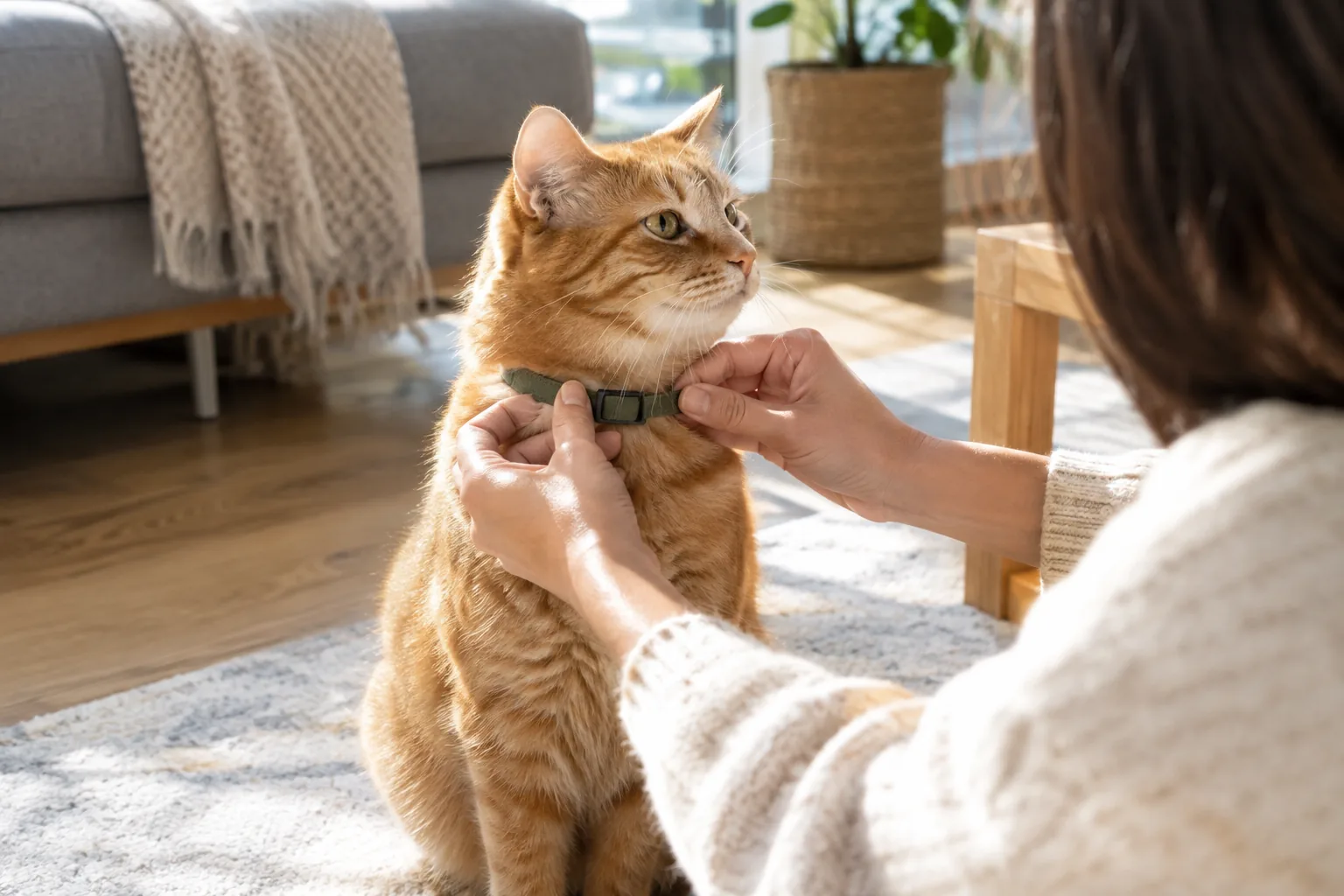
Fitting and setup checklist
- Adjust the collar so you can slide two fingers underneath. A collar that is too loose can catch, and one that is too tight does not fit correctly.
- Clip the tracker on and power it on, then pair it with the app on your smartphone.
- Draw the geo-fence around your home on the in-app map.
- Let your cat wear the collar indoors for a short session first, and watch for scratching or changes in behavior.
- Check the position in the app on a short supervised outing before letting your cat roam.
- Charge the tracker as the manual advises.
For fit tips that also apply to tracker weight and placement, see cat with camera on collar. Use a breakaway collar if your cat climbs, and follow the manual. If your cat seems bothered by the collar, ask a veterinarian.
What to do when a boundary alert arrives
- Open the map and check the latest position and the route just before it.
- Look in the closest hiding spots first: under porches, in sheds, garages, and shrubs.
- Walk toward the position and call your cat's name or shake a treat bag.
- If the position stops changing, check whether the tracker has run out of charge or the collar has come off.
- Tell neighbors and keep your microchip and ID tag details current.
Common mistakes to avoid
- Buying on the phrase alone. A listing that says "no subscription" can mean very different things, so read what is required.
- Ignoring range. Short-range tags do not follow a cat across the neighborhood.
- Skipping the charging routine. A flat battery means a missing tracker.
- Relying on the tracker alone. Pair it with a microchip, an ID tag, and a recent photo.
- Forgetting the app. If you change phones, make sure you can sign back in.
Browse the Trackers & Travel Carriers collection to see what we stock. Whichever way you go, pick the technology that matches how your cat lives, then check the fine print on plans and app features.