How to Get a Cat to Use a Cooling Mat: Placement and Steps
Put the mat where your cat already naps, cover it with a familiar blanket, and uncover it step by step. This guide covers placement, scent, signs it is working and cleaning.
The Millbrook Team
November 17, 2026 · 6 min read
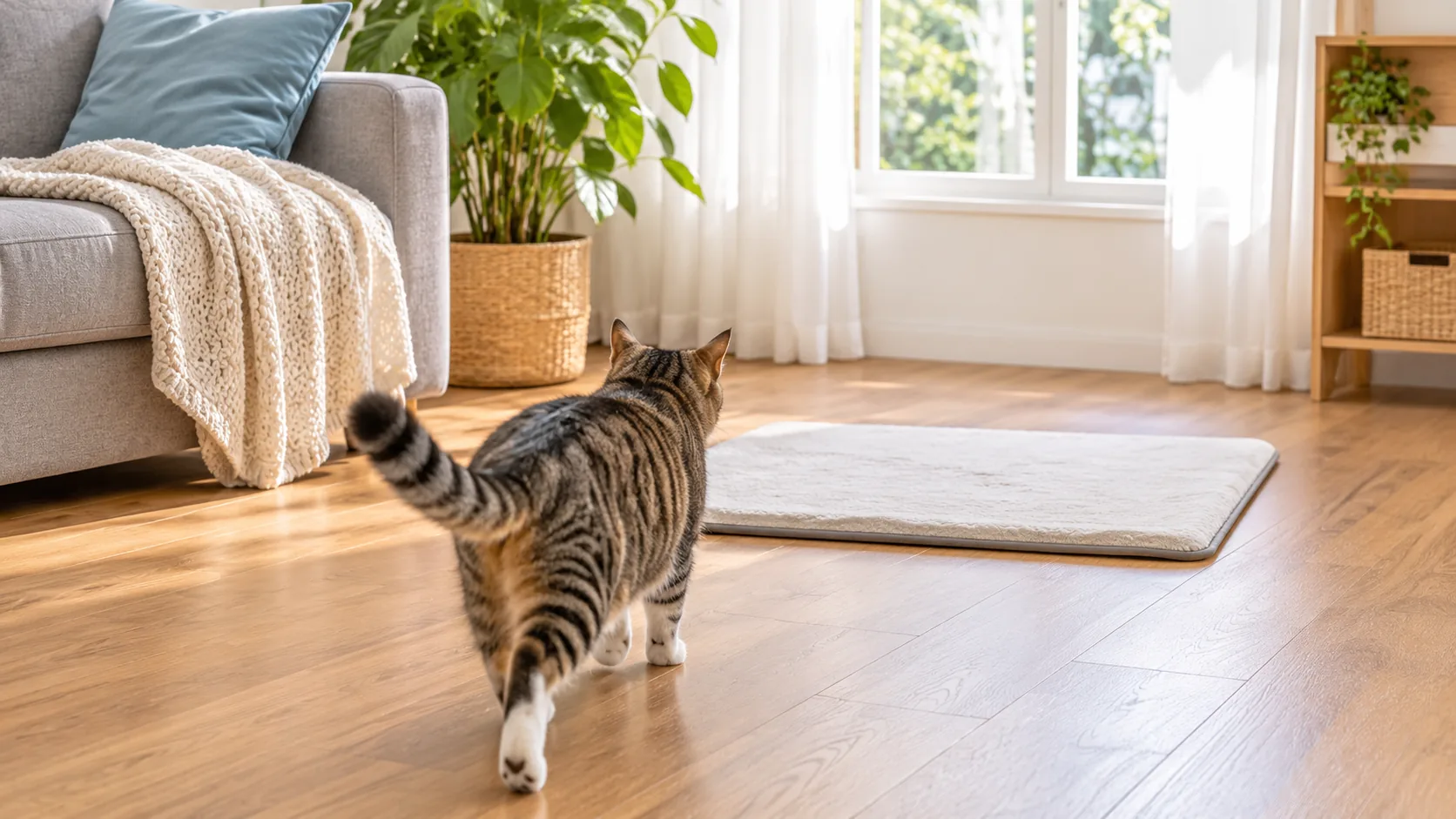
This is how to get cat to use cooling mat pads without a standoff: set the mat on or right beside a spot where your cat already naps, lay a familiar blanket over it, and let your cat approach on its own schedule. Then fold the blanket back a little at a time until the bare surface is exposed.
Cats pick their own resting spots, so a new pad on the floor can sit untouched for days. The steps below cover placement, scent, a gradual introduction plan, signs the mat is working, and how to keep it clean.
How does a cat cooling mat work?
A gel cooling mat is a flat resting pad. It has no motor, fan or cord. The gel inside works with the body warmth of the cat lying on it, so the surface feels different from a bare blanket or a cushion.
That is also a reason a cat may ignore it. A cat that likes a warm nest may take time to accept an unfamiliar surface, while a cat that already lies on a cool surface such as tile may take to it sooner. Think of the mat as one more resting option in a warm room, alongside shade, moving air and fresh water.
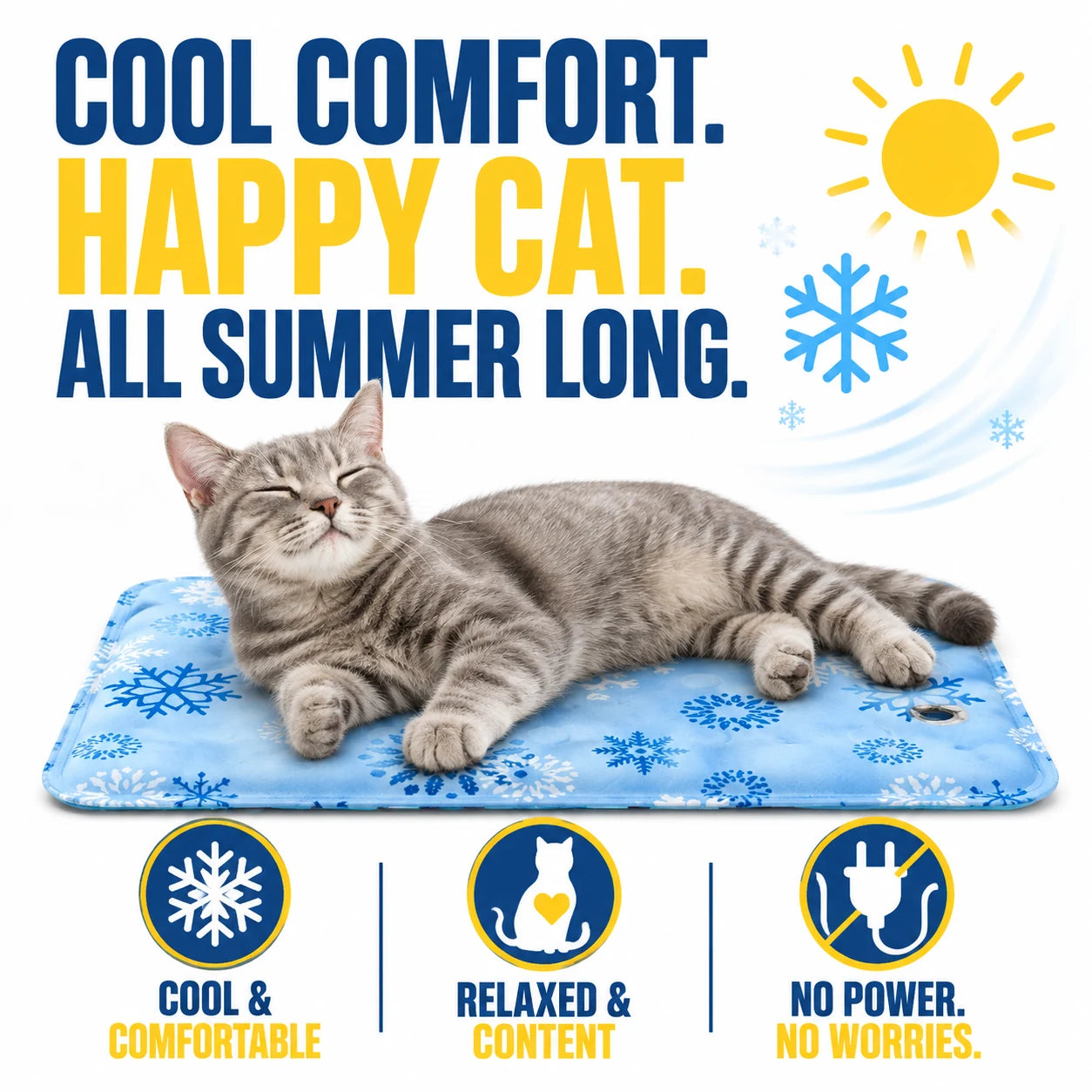
FrostCove is a gel cooling mat for cats and small dogs to lie on in warm weather. You fill it once with tap water through an injection port, and the crystals inside form a gel core. It needs no power source and no freezer, and its puncture-resistant outer cover is made for pets that scratch and knead.
 In this guideFrostCove$39.99View
How to get cat to use cooling mat: choose the spot first
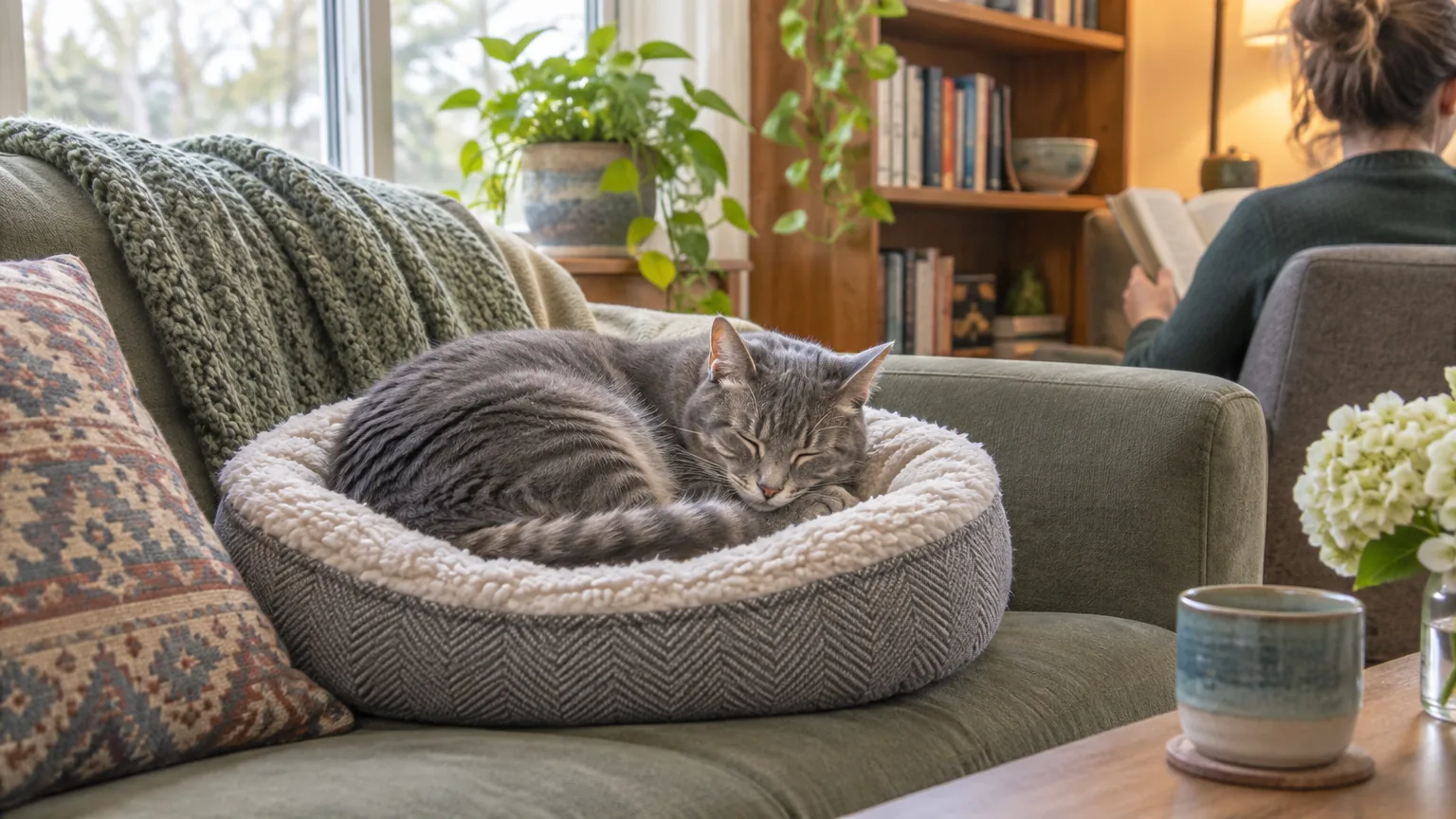
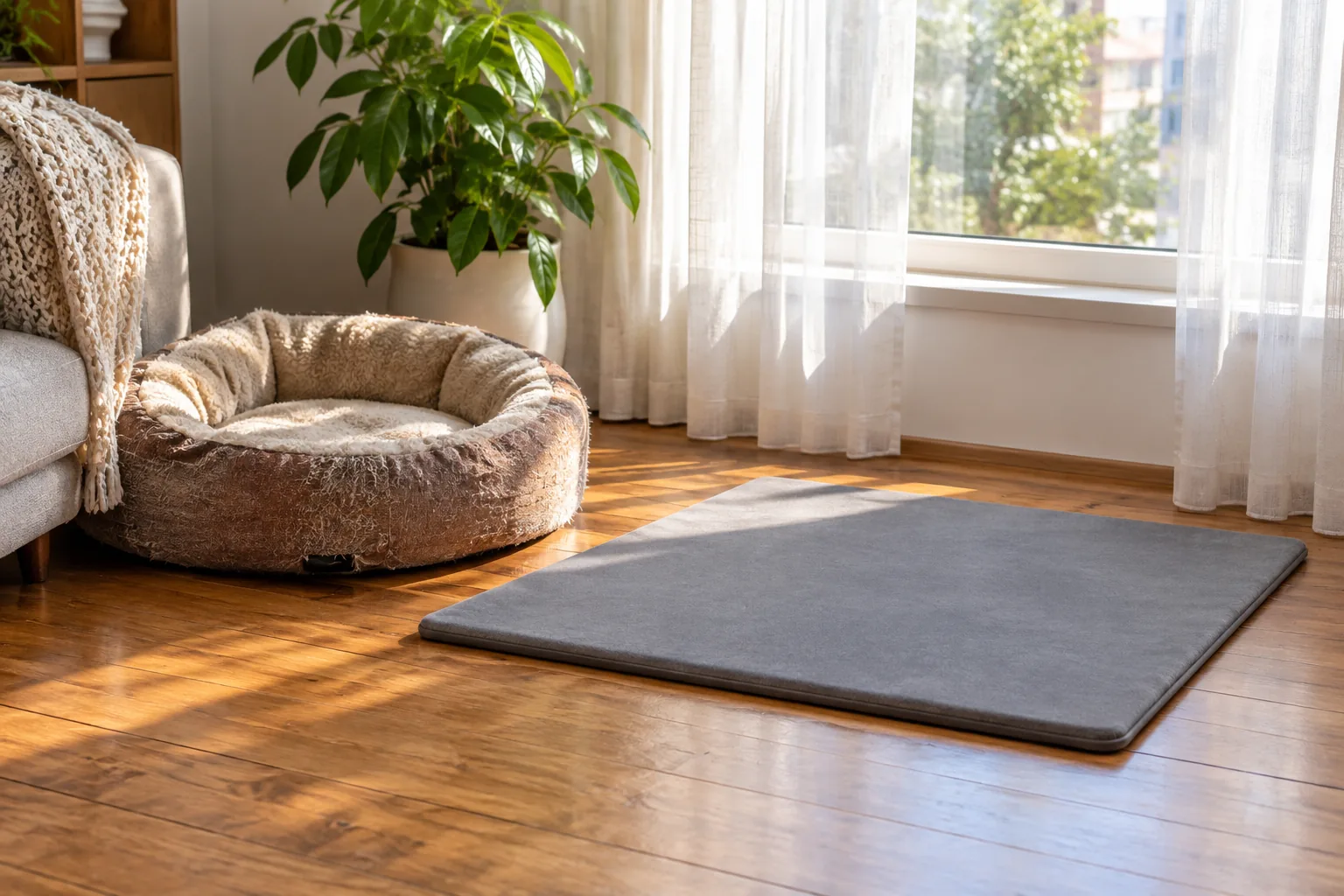
Location does much of the work. Cats return to places that already smell like home, so place the mat on top of or right beside an existing napping spot. Keep it flat on a level surface so it does not slide when your cat steps on it.
| Spot | Why it can work | Watch for |
|---|---|---|
| Beside the usual bed | Familiar scent and routine | Cat may use the mat as part of the bed edge |
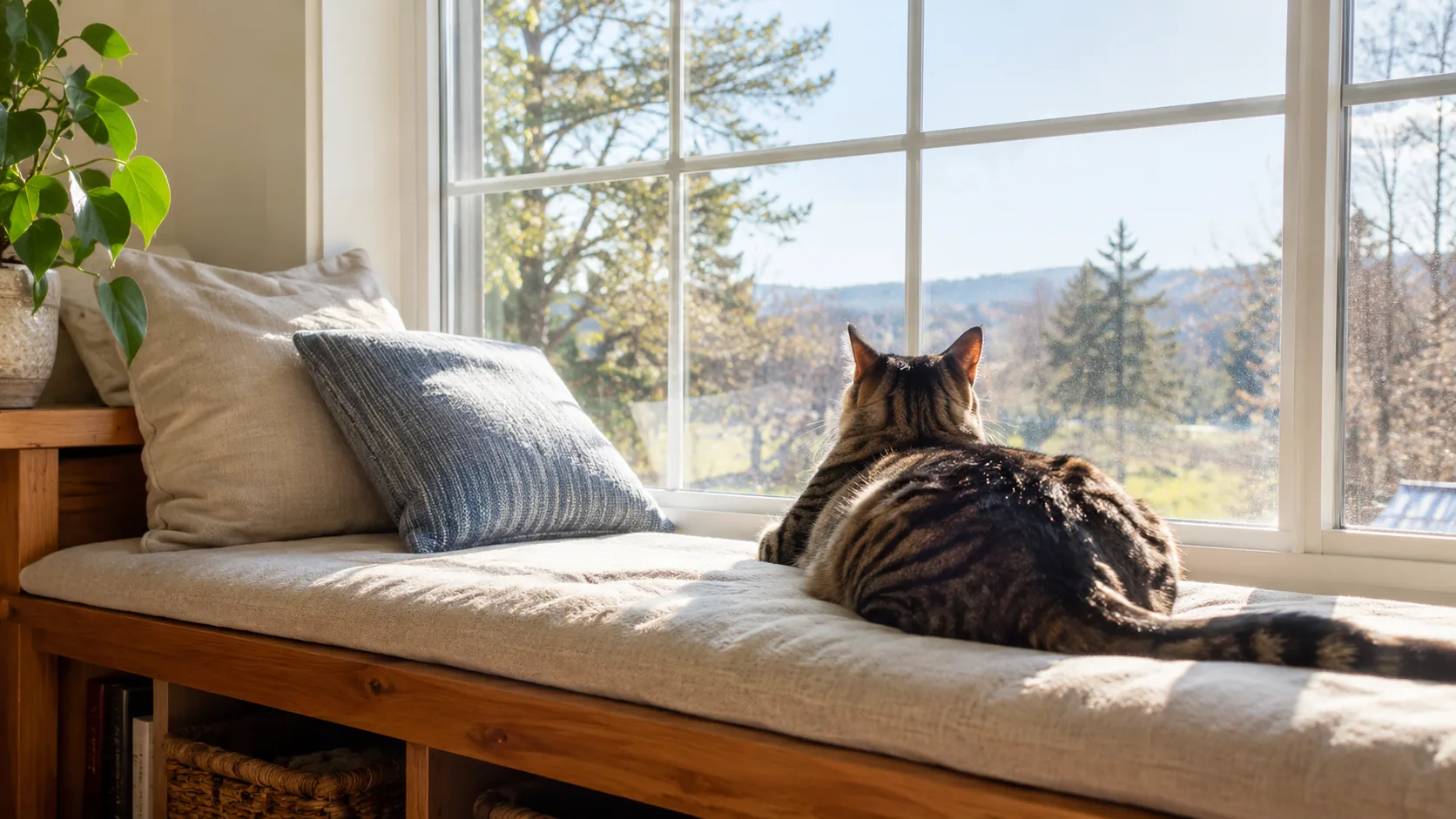
| Window floor, out of direct sun | Matches a lounging habit | Move the mat if sun lands on it during the day |
| Hallway or tile floor | Some cats stretch out on cool floors | Foot traffic can make a shy cat skip it |
| Under a cat tree or table | Gives a covered feel | Make sure the mat lies fully flat |
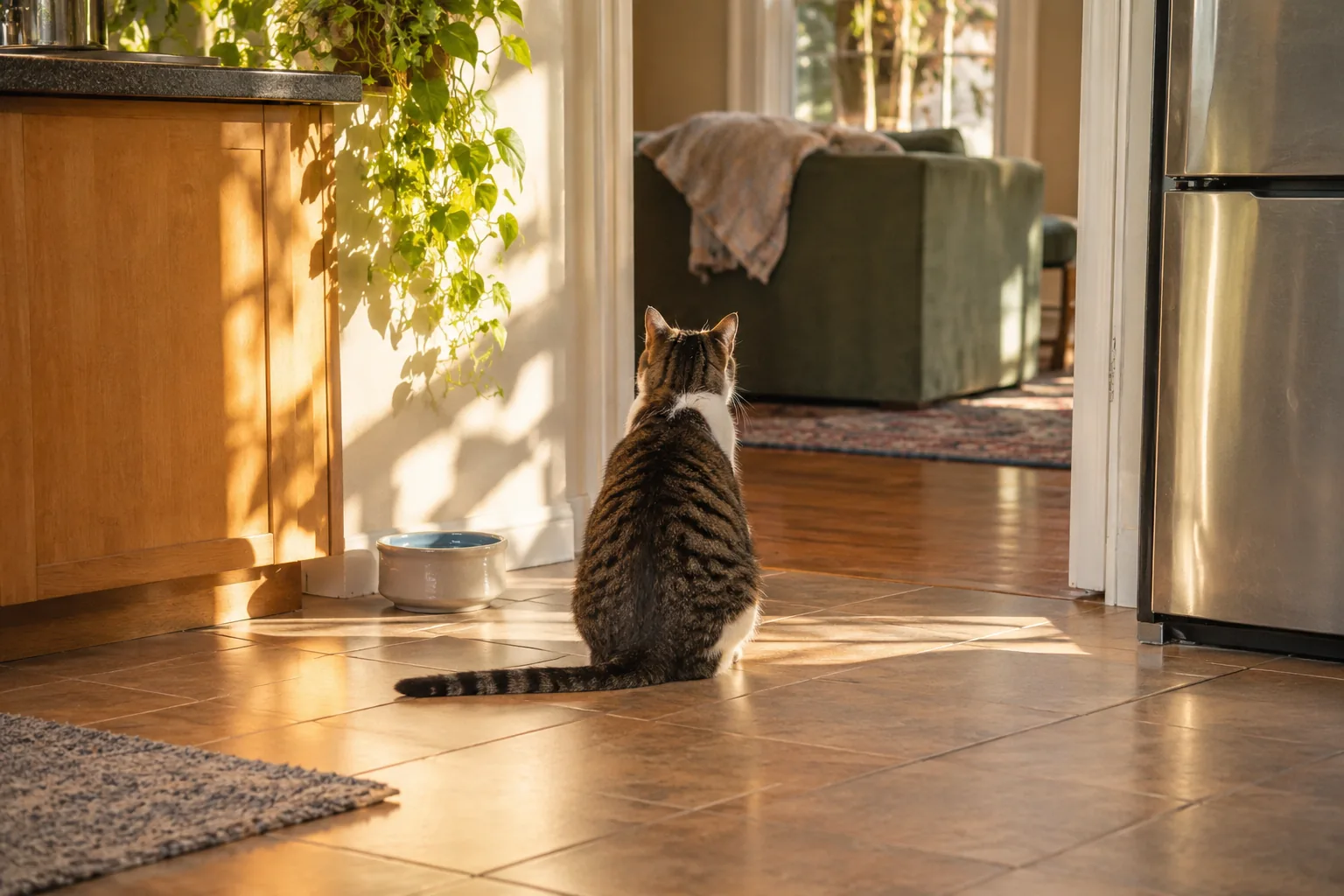
| Next to a food and water station | Ties the mat to a daily routine | Keep the mat dry and away from spills |
Step-by-step introduction plan
Go slowly. Lifting your cat onto the mat or holding it there teaches a cat to avoid the spot, so let the cat make the first move. This pace is the core of how to get cat to use cooling mat setups that stay in use.
- Fill and seal the mat following the product page or the quick-start guide. For FrostCove, unscrew the injection port cover, hold the opening under a tap until the crystals are covered, then close it with the inner plug and outer cover.
- Lay the mat near the usual napping spot and leave it alone for a few days so it becomes part of the room.
- Place a familiar blanket or a worn cotton shirt across the mat. Let your cat settle on it.
- Fold the blanket back by a third every day or two until part of the mat shows.
- Drop a few treats or a toy on the exposed area. Stay nearby and keep your voice calm.
- Remove the cover completely once your cat steps on the bare surface.
If your cat avoids a step, return to the previous one for a few days. A gradual introduction works with a cat's habits instead of against them.
Field note
Check the mat's seams and port cover each time you set it down. If your cat chews or scratches at it, stay close for the first few sessions and follow the manual.
Scent and texture tricks for a picky cat
Scent tells a cat whether a spot is its own. Rub a clean cloth along your cat's cheeks or bedding, then wipe it across the edge of the mat. A familiar blanket placed under the mat can also carry home scent without covering the surface.
Texture matters too. Some cats avoid a smooth surface at first, so a thin cotton layer is a reasonable starting point. Try one approach at a time so you can tell which one works:
- Place a treat or a toy on the mat while your cat watches.
- Feed a meal beside the mat, then move the bowl a little closer over several days.
- Sit on the floor near the mat and let your cat come over for attention.
- Keep the area quiet, away from loud appliances and busy doors.
Skip scented sprays and strong cleaners on or near the mat, since strong smells can put a cat off the spot.
Signs the mat is working
Look for repeat visits. Your cat sits or loafs on the mat without a blanket, returns to it during warm hours, or stretches out fully on the surface. Kneading on it shows your cat sees it as a resting spot.
Signs to adjust the setup: your cat steps on, sniffs, and walks off several days in a row, or only uses the mat while a blanket covers it. Try a quieter location or add back a layer and slow the cover-removal step.
A mat does not replace care in hot weather. If your cat pants heavily, drools, seems weak or does not want to move, call a veterinarian.
How to use a cat cooling mat day to day
Keep the routine plain. Lay the mat flat, keep it out of direct sun, and move it away from heaters and warm electronics. Offer open shade, moving air and clean water in more than one spot.
| When | Task |
|---|---|
| Between uses | Wipe fur and saliva from the surface with a damp cloth |
| Weekly | Wipe the outer fabric, then let the mat dry before putting it back |
| Weekly | Check the port cover and seams for damage |
| Season end | Clean, dry, and store flat according to the manual |
FrostCove has a wipe-clean outer fabric, so a damp cloth clears the surface. Let it dry before you set it down again. If the cover is torn or the gel leaks, do not use the mat and follow the manual.
Common mistakes and DIY questions
These habits keep a cat off the mat:
- Placing it in a new room instead of a known resting spot.
- Picking the cat up and setting it on the mat.
- Removing the blanket all at once.
- Moving the mat every day.
- Leaving it in sun or near a vent that blows warm air.
If you are wondering how to make a cat cooling mat at home, we do not give a build recipe here. Homemade pads with loose crystals or fillers can be chewed or torn open, so look for a sealed, puncture-resistant mat instead. A dry cotton towel over a tile floor is a plain stopgap.
For more spots to try, browse Beds, Houses & Scratching Posts. If your cat likes high places, read how to make a cat window perch for build steps, and keep any perch out of direct sun in summer.