How to Make a Cat Window Perch: Build Steps and Weight Check
Build a bracket shelf, mount it into studs, pad it and run a weight check before your cat climbs on. This guide also compares building with a ready-made suction cup perch.
The Millbrook Team
November 9, 2026 · 6 min read
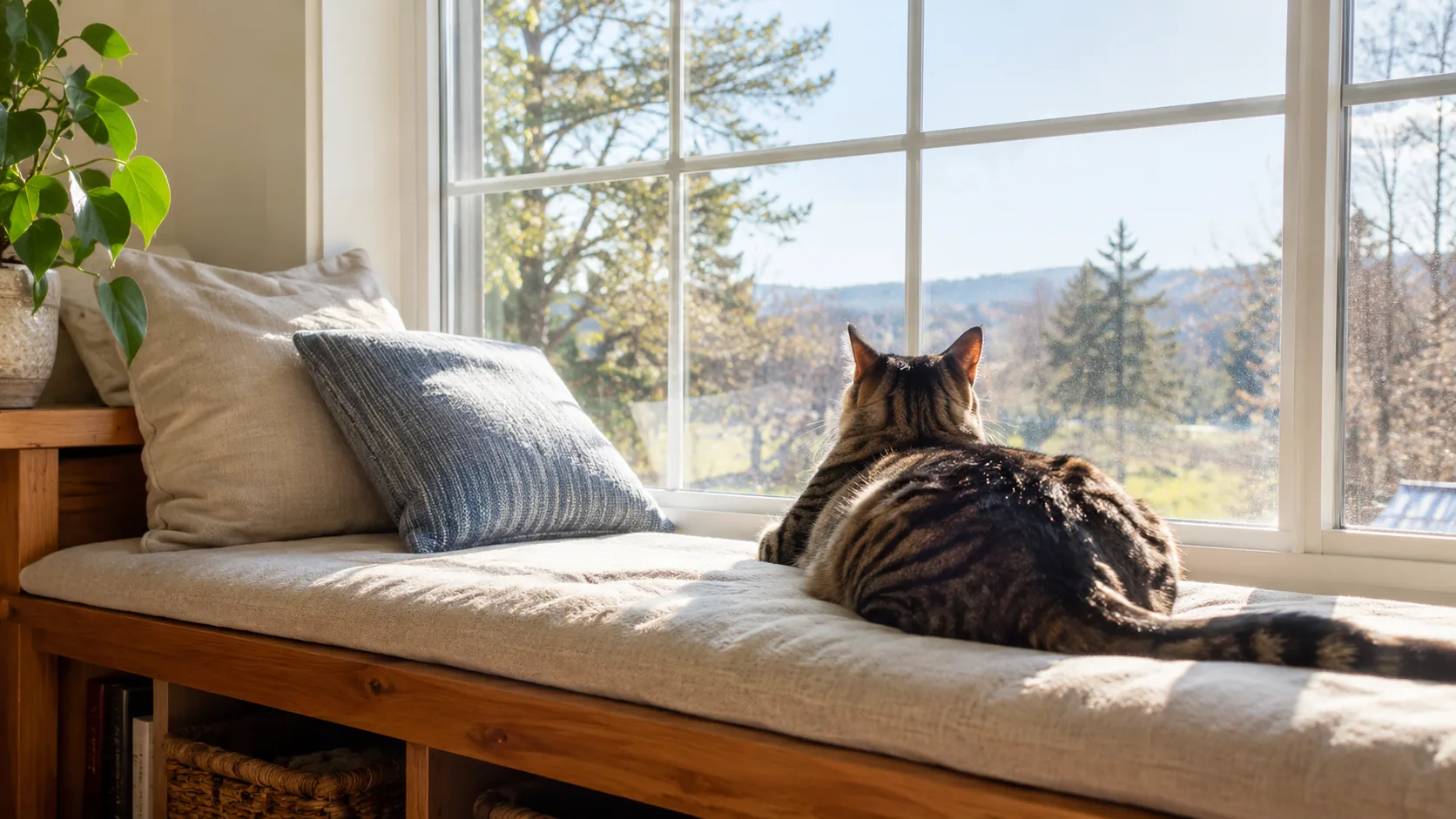
To learn how to make a cat window perch, build a small shelf from a plywood board and two sturdy brackets, fasten it into the wall studs or window frame, pad the top, and check the load before your cat climbs on. A diy cat window perch takes basic tools and a clear plan for where the weight goes. This guide covers materials, build steps, a weight check and when buying a ready-made perch makes more sense.
Choose the type of perch before you buy materials
The right design depends on your window, your cat and whether you can make holes. Pick one of the four types below, then buy materials to match.
| Type | How it mounts | Tools needed | Holes in wall or frame |
|---|---|---|---|
| Bracket shelf | Brackets screwed into studs below the sill | Drill, level, saw | Yes |
| Sill extender board | Board rests on the sill, supported by brackets or legs | Saw, sander, drill | Sometimes |
| Hanging basket or hammock | Straps or hooks from a rod or frame | Drill, hooks | Yes |
| Suction cup perch | Cups press onto clean glass | None | No |
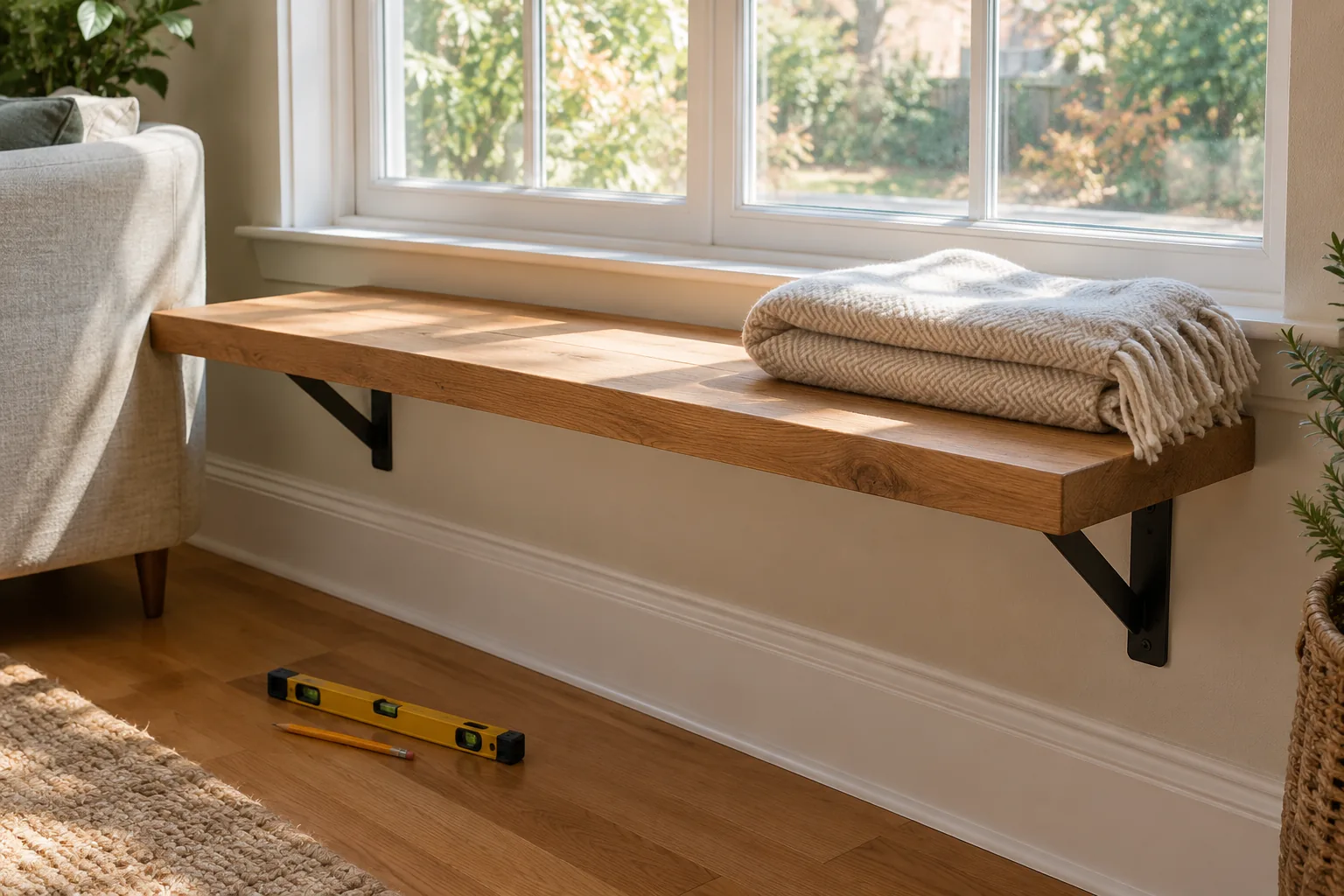
A window cat perch diy build on brackets suits a deep sill or a solid wall. If you rent, check your lease before drilling anything.
Materials and tools for a bracket window perch
This list builds a shelf about the depth of a standard sill extension. Adjust the size to your window and your cat.
- One plywood or solid wood board, cut to the width of the window and deep enough for your cat to lie down
- Two heavy-duty shelf brackets sized to the board depth
- Wood screws for the board and wall screws or anchors that match your wall type
- Sandpaper and a sanding block
- Non-slip shelf liner or a thin foam pad
- A washable cushion or blanket cover
- Drill, stud finder, level, tape measure, pencil and a saw
Use screws sized for the bracket holes and the wall material. If you are unsure, ask a hardware store associate or a contractor.
How to make a cat window perch: step by step
1. Measure the window and your cat
Measure the sill width, the depth from glass to room, and the height from the floor. Measure your cat from chest to hips when lying down, then add a few inches so the cat is not hanging over the edge.
2. Cut and sand the board
Cut the board to size, then sand the top, edges and corners until no splinters remain. Round the corners so they do not catch on paws or fur. Wipe off the dust.
3. Find the studs and mark the brackets
Use a stud finder to locate the studs below the window. Mark the bracket positions, then hold a level against the marks. Mounting into studs gives the screws solid wood to grip, while drywall alone does not hold weight well.
4. Drill pilot holes and fasten the brackets
Drill pilot holes, then screw the brackets to the wall. Tug each one firmly before adding the board. Unplug nearby cords and follow the manual of your drill.
5. Attach the board
Set the board on the brackets and drive screws up through the bracket holes into the underside of the board. Pick screws short enough that they do not poke through the top.
6. Add the pad
Lay a non-slip liner on the board, then a washable cushion. A slippery surface can send a cat sliding, so keep the pad from shifting.
Weight check before your cat climbs on
Do this check every time you build or move a perch. It takes only a few steps.
- Press down on the center of the board with both hands and lean in. Watch for flex, creaks or gaps at the brackets.
- Press on each outer edge, since a cat often sits near the end.
- Place a weight heavier than your cat, such as a filled backpack, on the board and leave it in place while you watch the brackets.
- Remove the weight and look for loose screws, pulled anchors or bowed wood.
- Check the brackets once a month and tighten any screw that has loosened.
Check the weight limit printed on your brackets and compare it with your cat, a second cat if they share, and a margin for jumping. A cat landing on the board adds more force than a cat sitting still. Stop using the perch if anything shifts, and ask a carpenter if you are unsure.
Mounting and placement mistakes to avoid
- Screwing into drywall without studs or the right anchors
- Leaving rough edges or screw tips exposed
- Mounting over a radiator or heat vent, where the pad and board can get hot
- Placing the perch where a cat can push open a window or tear a screen
- Using a board too narrow for your cat to turn around
- Skipping the monthly bracket check
Keep the window latched and use a sturdy screen. A perch next to an open window lets a cat reach the outside, so supervise and follow the manual of your window.
Other DIY options: no screws, PVC, hammock
If drilling is off the table, look at the options below.
- Sill extender board: A board that rests on the sill and a pair of legs or a low stool. Check it for wobble with the weight check above.
- Hanging hammock: A fabric seat strapped to a curtain rod or frame. A rod needs to carry the weight, so check its brackets as you would shelf brackets.
- PVC frame: Pipe and connectors can form a frame, but joints can flex, so test each corner.
- Suction cups on glass: Cups hold only when the glass is clean and flat, and you need to check them often.
Furniture-store shelves can also be trimmed into a perch, but check the weight limit and fasteners that come with them.
Build or buy: a comparison
| Factor | Build your own | Ready-made suction cup perch |
|---|---|---|
| Tools | Drill, saw, stud finder, level | None for setup |
| Holes | Yes, for bracket designs | No drilling and no screws |
| Size | Cut to your window | Fixed by the product |
| Window clear | Shelf stays in place | Folds flat |
| Weight check | You test brackets and wood | Check the cups and pull test per the manual |
Build if you want a custom size, own the tools and can mount into studs. Buy if you rent, want to avoid holes or need the window clear for cleaning.
A ready-made option for glass windows
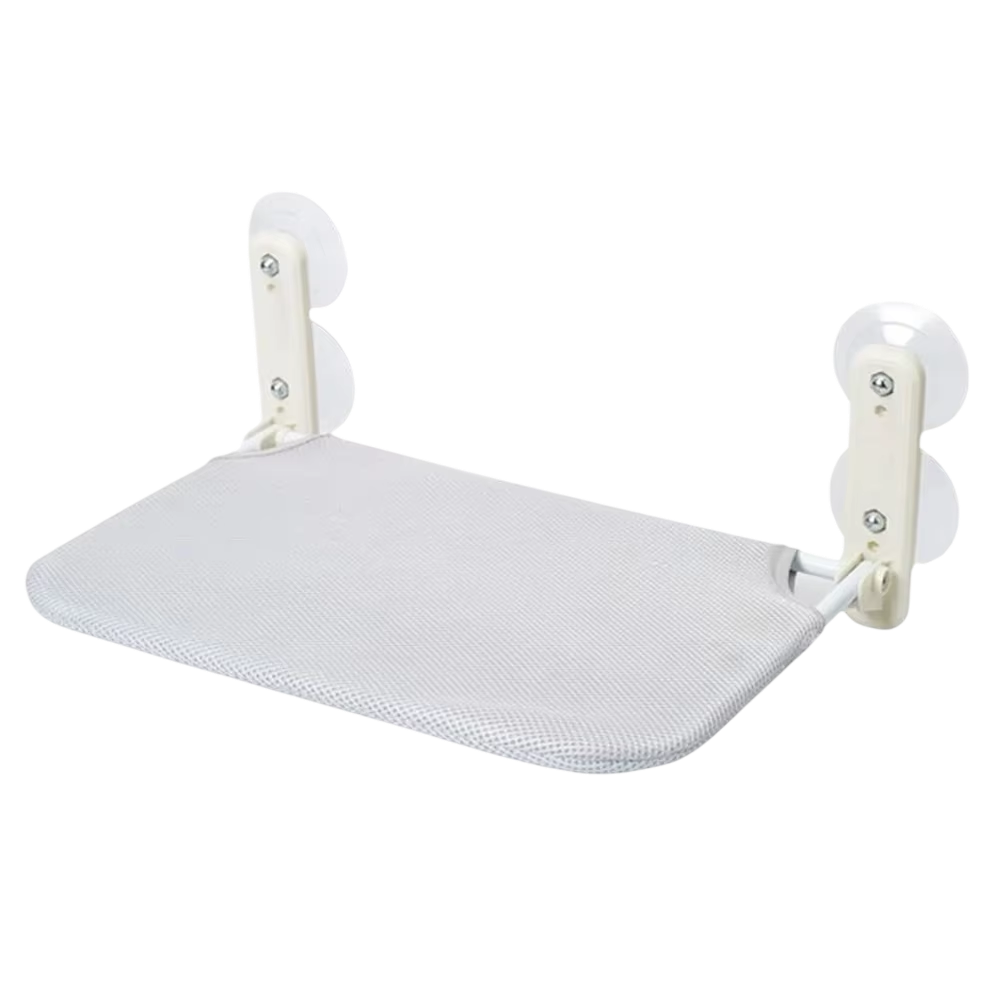
SunPerch is a cat window perch that attaches with suction cups and has a cotton seat. It mounts on clean glass or ceramic without screws, and it folds flat when you want the window clear. To set it up, wipe the window with rubbing alcohol, press each cup flat and twist to push out the air, then give the perch a firm pull before your cat climbs up.
 In this guideSunPerch$69.99View
Field note
Wash the window glass and the cups before mounting, and repeat the pull test each week. Dirt on the glass or cups can loosen a suction mount.
Care schedule and next steps
Wash the cushion cover regularly and wipe the board with a damp cloth. Check brackets monthly and look for loose screws, splintered edges and worn pads. If you also want other spots for your cat, browse the Beds, Houses & Scratching Posts collection.
Cats that watch the window at dawn may also be active at night. Our guide on are cats nocturnal covers how to manage that activity, and cat scratcher posts explains how to choose a sisal or cardboard post to put near the perch.