
How to Get Your Dog to Stop Pulling on the Leash
Teach your dog that a slack leash moves the walk forward and a tight one pauses it. This plan covers daily sessions, rewards, harness fit and leash choice.
The Millbrook Team
November 2, 2026 · 7 min read
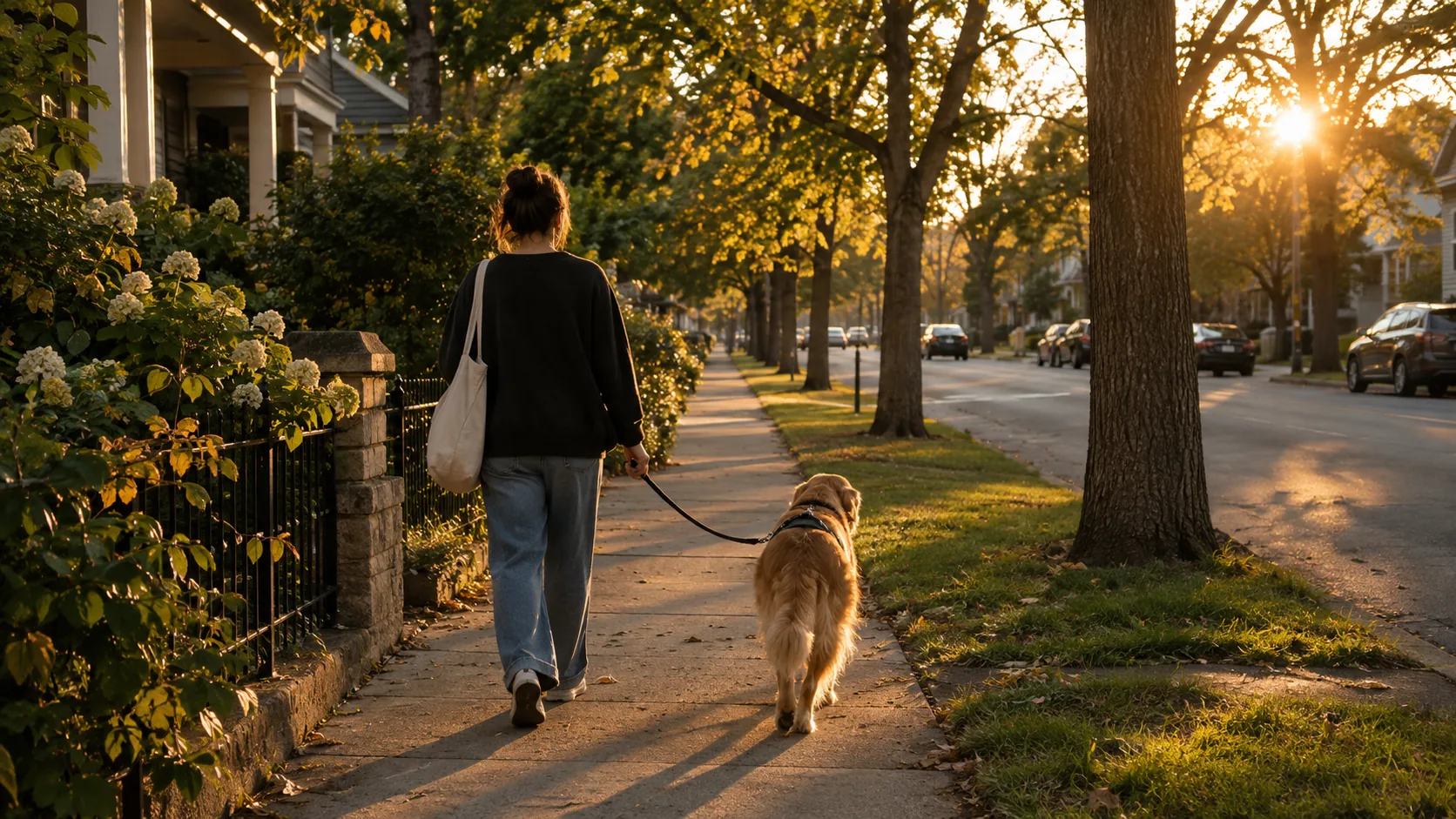
Here is how to get dog to stop pulling on leash: make a slack leash the only thing that moves the walk forward. Pause when the leash tightens, reward your dog for returning to your side, and repeat in short daily sessions. Equipment helps with control, but the habit changes through consistent practice.
This guide gives you a daily plan, a table for fixing common problems, a comparison of leash types, and notes on harness fit for large dogs and for walks where other dogs appear.
Why dogs pull in the first place
Dogs trot while people stroll, and the world outside smells more interesting than you do. If pulling gets a dog to the tree, the sidewalk crack or the other dog, then pulling pays off. Each time it pays off, the habit builds.
So the fix has two parts. Pulling has to stop paying off, and walking beside you has to pay well. Yelling, constant leash jerks and long walks without a plan do neither, and a tight leash can even become a cue to lean harder.
No single session fixes pulling, so be wary of any promise of a one-visit fix. Think in terms of a routine you repeat every day.
Set up your equipment first
Gather a few things before the first session. A flat six-foot leash shows you clearly how much slack you have. Save retractable leashes for later, because they hold steady tension on the line and teach the dog that tension is normal.
- Small, soft treats you can hand out in one motion
- A treat pouch or pocket within easy reach
- A well-fitted harness or flat collar
- A quiet place to begin, such as a hallway or backyard
Leash types compared
| Leash type | Use it for | Watch out for |
|---|---|---|
| Flat six-foot leash | Daily training and neighborhood walks | Wrapping the loop around your hand |
| Long line | Open fields once the basics are in place | Tangles when a dog runs out the line |
| Retractable leash | Not for training sessions | Constant tension and little signal about slack |
| Double-handle leash | Extra control with a large dog | Holding both hands in a steady, relaxed position |
Harness fit and leash position
A harness that slips or rubs makes the walk harder for both of you. Use the size guide, adjust each strap one at a time, and check that nothing sits in the armholes. For the steps, see how to put a harness on a dog, which covers step-in, overhead and vest styles.
Where the leash clips on matters. The front ring suits walks where you want to turn your dog toward you, and the rear ring suits relaxed everyday walks. The RoveTac tactical dog harness has front and rear D-ring leash positions, six adjustment points and mesh padding inside the vest. The belly strap sits behind the floating rib, and the neck, chest and belly straps adjust on their own.
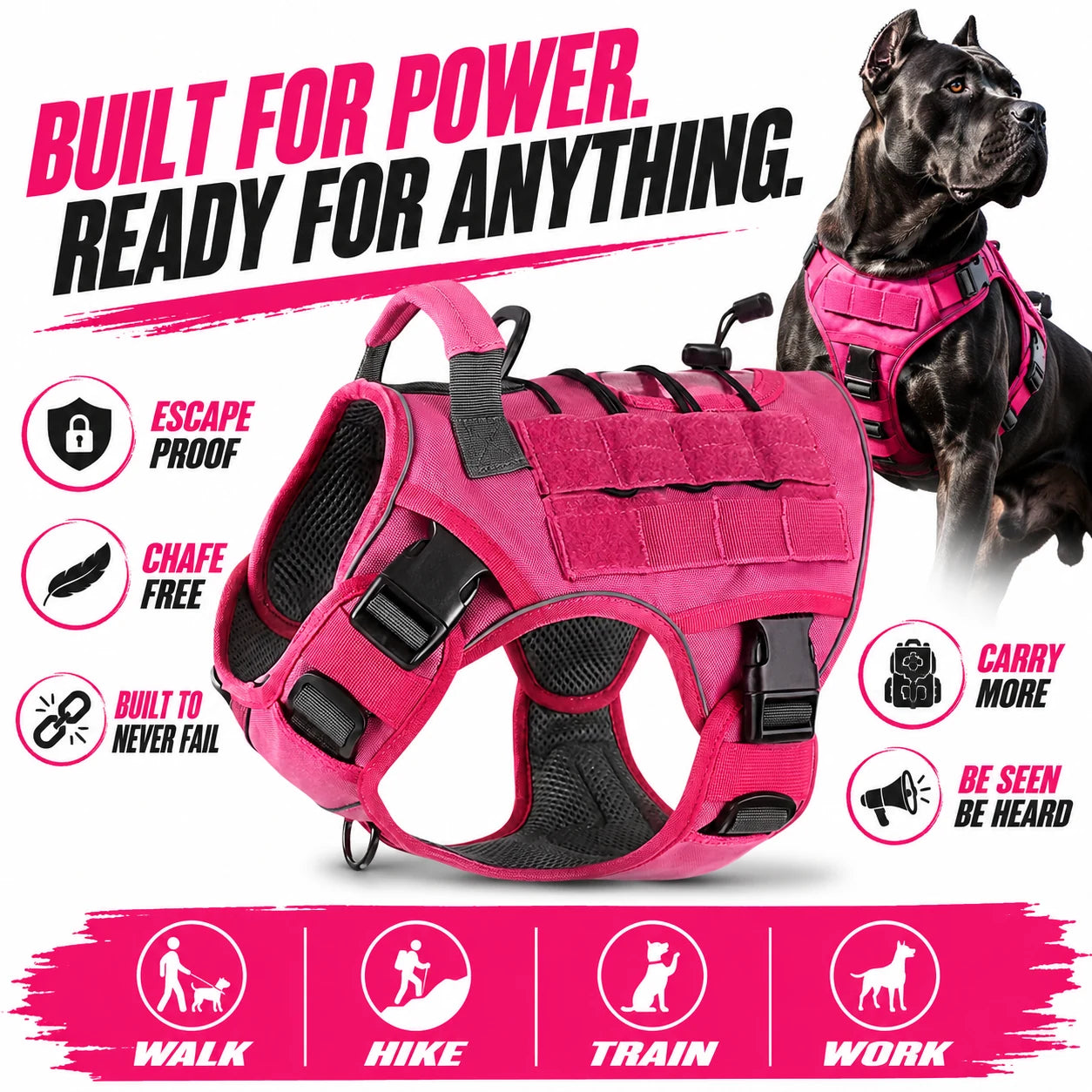 In this guideRoveTac$69.99View
You can browse more options in the Leashes, Harnesses & Car Travel collection.
How to get dog to stop pulling on leash: the daily plan
Run two or three short sessions a day and end while your dog is still interested. Follow the manual for any gear and keep a firm grip on the leash at all times.
Step 1: Reward attention indoors
Stand in a quiet room with the leash on. Each time your dog looks at you, say a marker word such as "yes" and give a treat. Repeat until your dog checks in with you on their own, since that check-in habit carries over to the street.
Step 2: Reward position at your side
Take a few steps. When your dog is next to you with a slack leash, mark the moment and give a treat at your leg. Keep the treat low and near your side so the dog learns where to stand.
Step 3: Stop when the leash tightens
The moment the leash goes tight, stand still like a tree and do not pull back. When your dog turns to look at you or steps back and the leash loosens, mark, reward and walk on. This is the core of loose-leash walking.
Step 4: Change direction
If your dog keeps surging ahead, turn and walk the other way calmly. Your dog has to catch up, and you reward them when they reach your side. Over time the dog learns to track where you are going.
Step 5: Move outside and add distractions
Start in your yard, then your driveway, then a quiet street. Each new place is a fresh test, so go back to frequent treats when the setting gets harder. Stretch the gap between rewards slowly.
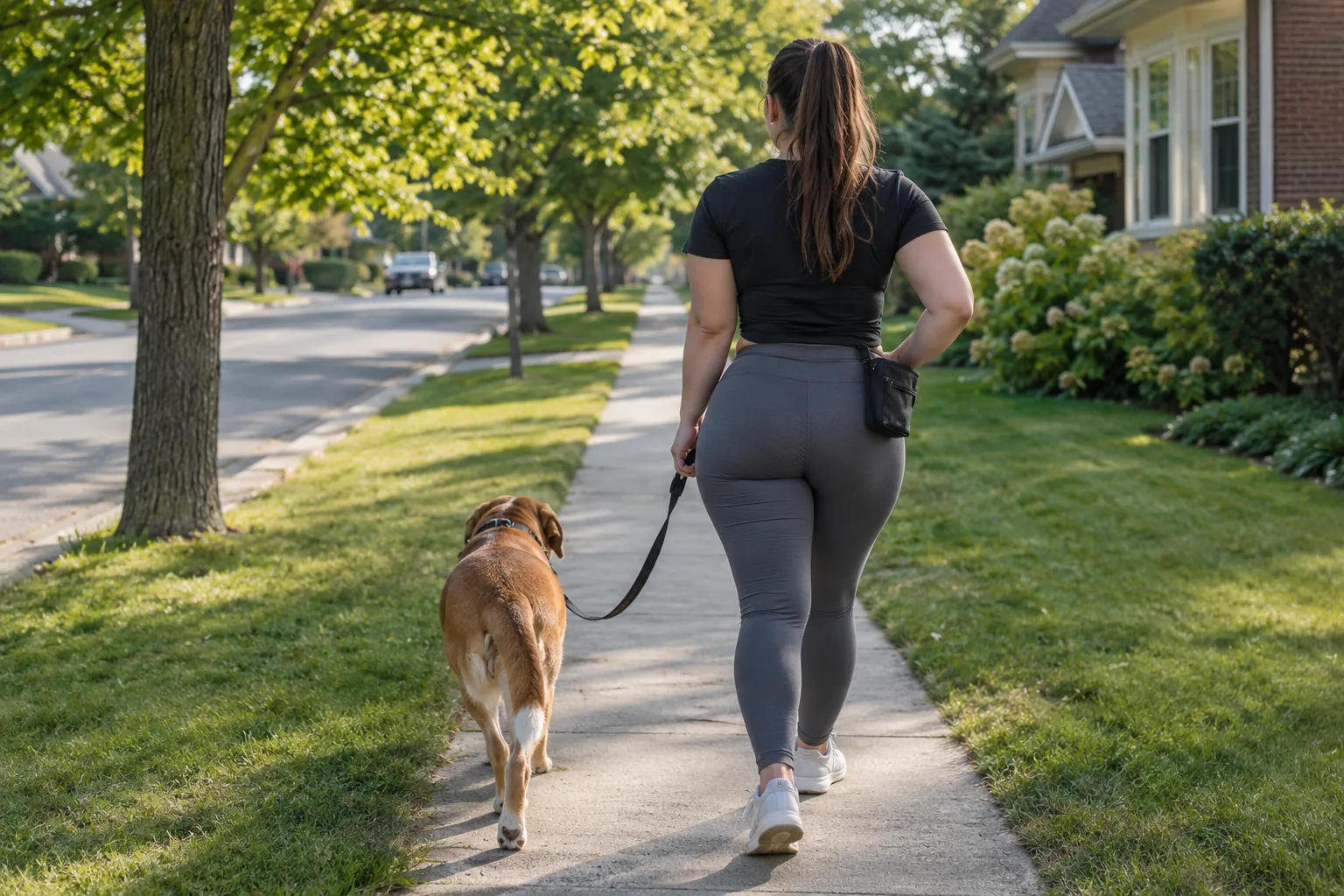
Fix common problems on the walk
| Problem | What to try |
|---|---|
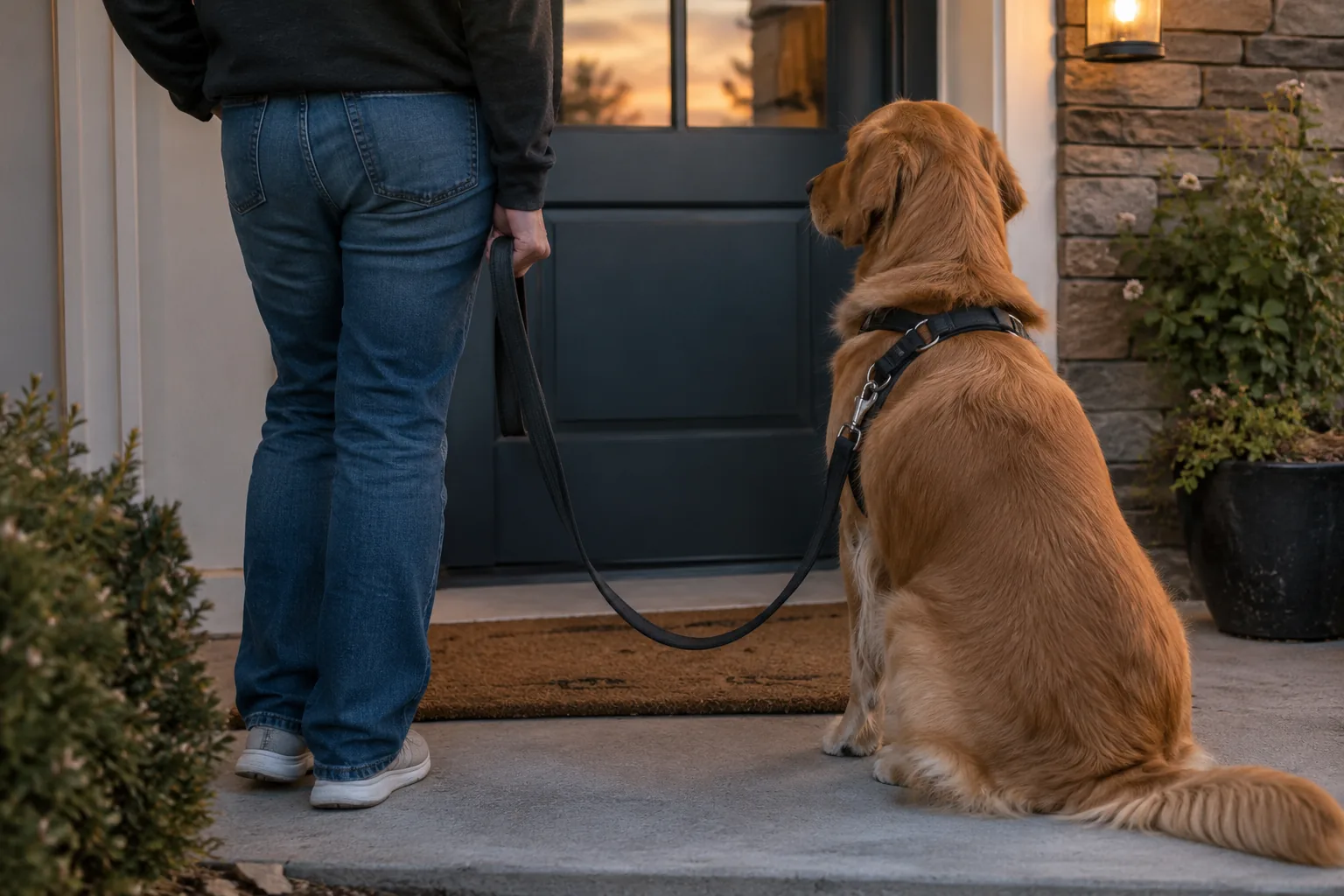
| Dog lunges at the start of the walk | Wait at the door until the leash is slack and your dog sits, then step out |
| Dog pulls toward smells | Pause, let the dog settle, then release them to sniff as a reward for a loose leash |
| Dog pulls toward other dogs | Increase your distance, reward calm looks at you, and cross the street if needed |
| Large dog is hard to hold | Use a well-fitted harness with a front ring, keep sessions short, and plant your feet before turning |
| Dog ignores treats outside | Use softer, smellier treats and start in a quieter place |
| Dog zigzags | Reward the dog for staying on one side so the path is predictable |
Training without treats
Food is not the only reward. A sniff break, a step toward a tree your dog likes, or a game of tug at the end of the walk can all pay for a slack leash. Use life rewards like these when your dog is full or the treat pouch is empty, and keep the rule the same: slack leash first, then the fun thing.
Large dogs
A large dog can pull hard enough to throw you off balance, so your stance matters. Keep your knees soft, hold the leash close to your body, and turn before the line goes tight. A front leash ring and a double-handle leash give you more ways to steer. If you are unsure about control, ask a qualified trainer to watch you walk.
When you see other dogs
Spot the other dog early and put space between you. Ask for your dog's attention, reward it, and keep moving at a distance where your dog can still take treats. Close the gap slowly over many walks, and cross the street whenever your dog cannot focus.
If your dog has pulled for years
An older habit takes more repetitions, not a different method. Keep sessions short, keep rewards frequent, and stay consistent. If your dog seems fearful or reactive, ask a veterinarian or a qualified trainer for help.
Field note
Keep treats at your leg, not in front of your dog's nose. A reward delivered beside you shows your dog where the right spot is.
Answers to common training questions
Hot pavement and walk timing
On warm days, check the pavement with the back of your hand before you head out. Walk at cooler times of day, choose grass or shade, and carry water. If you are unsure whether conditions suit your dog, ask a veterinarian.
The hardest command to teach
No single command is hardest for every dog. Loose-leash walking and a reliable recall are often seen as harder than sit or down, because they have to hold up around smells, sounds and other dogs. Build them in small steps, and raise the difficulty only when your dog succeeds at the current level.
The 3-3-3 rule and puppy age
The 3-3-3 rule describes a newly adopted dog's adjustment: three days, three weeks, three months. Keep leash practice gentle during that time. For puppies, ask your veterinarian when outdoor walks suit your puppy, and see our week-by-week puppy leash guide for the progression.
Common mistakes to avoid
- Pulling back on the leash, which can make the dog lean harder into it
- Rewarding too rarely in new places
- Practicing only on long walks instead of in short sessions
- Letting the dog pull toward something fun some of the time
- Relying on a tool alone without teaching the behavior
Pulling does not fade overnight. A calm, repeatable routine and a harness that fits give your dog a clear message about what earns forward movement, and a weekly checklist keeps you honest about it.
A weekly practice checklist
- Choose two or three short sessions each day.
- Check harness fit before every walk.
- Pack soft treats and a pouch.
- Begin indoors or in the yard, then move out.
- Stop when the leash tightens and reward when it loosens.
- Keep a note of which places go well and which need more work.
Frequently asked questions
Keep reading
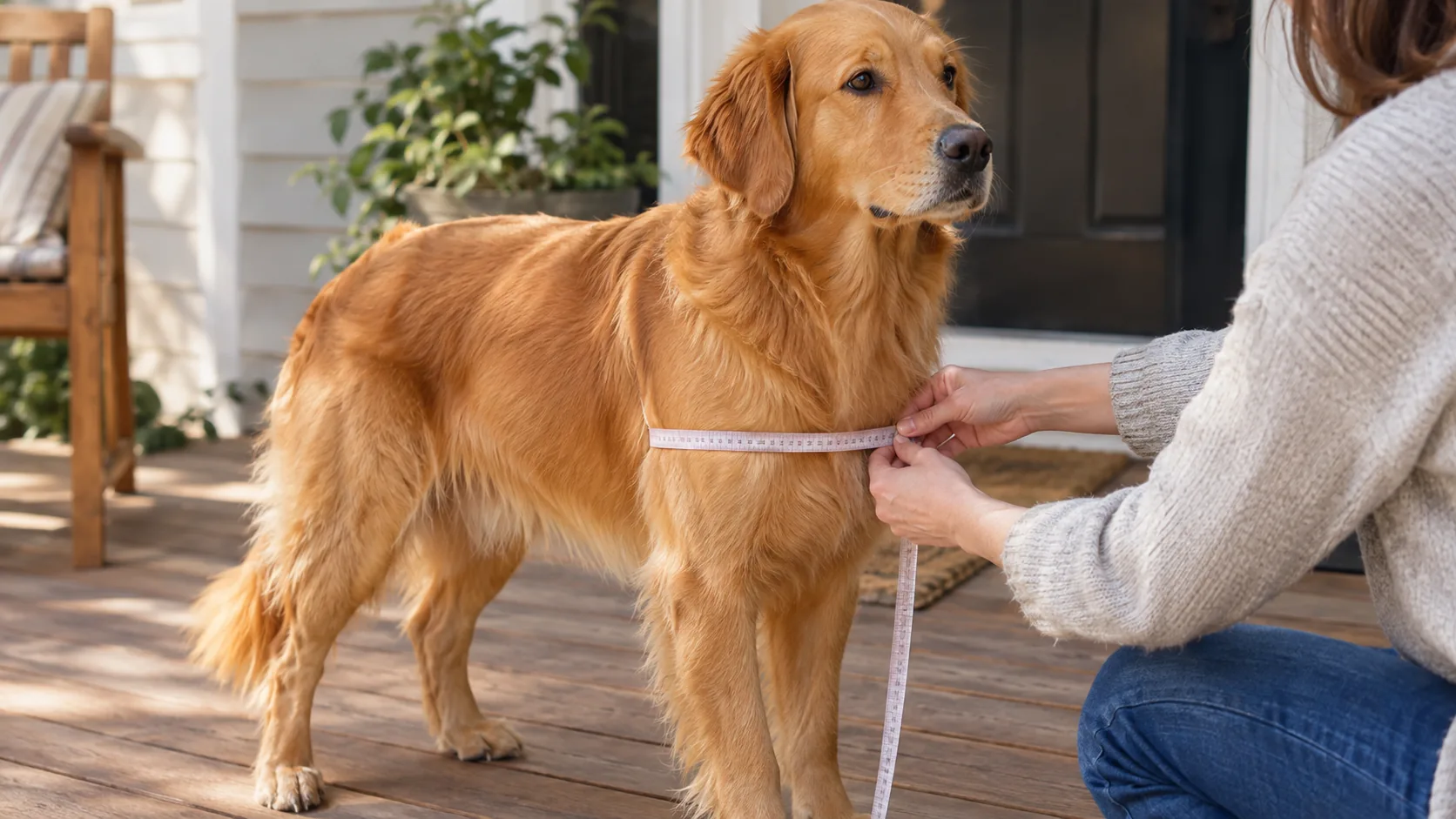 Leashes, Harnesses & Car TravelHow to Measure a Dog's Chest for a Harness, With a Size Check6 min read
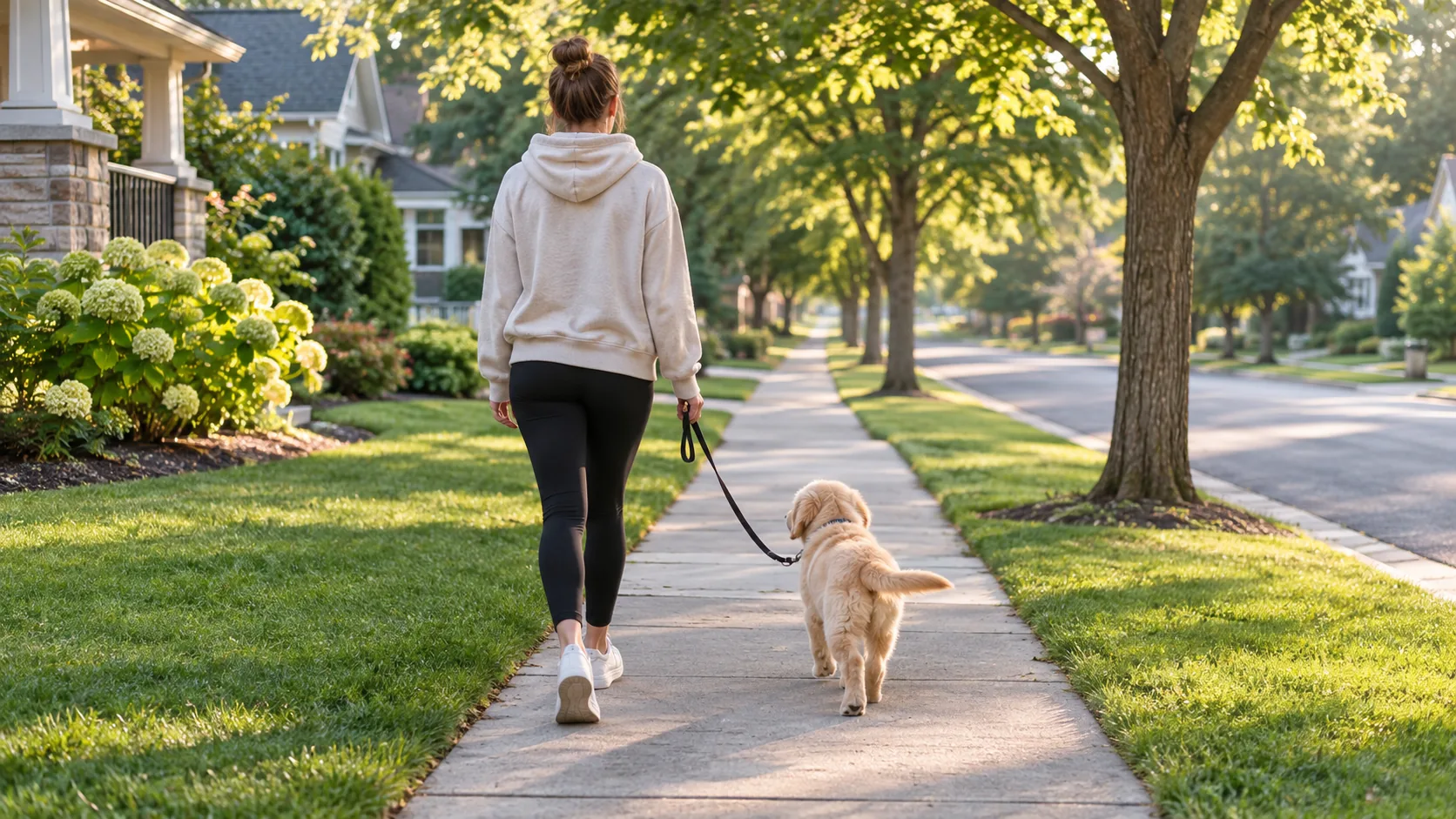 Leashes, Harnesses & Car TravelHow to Teach a Puppy to Walk on a Leash, Week by Week7 min read
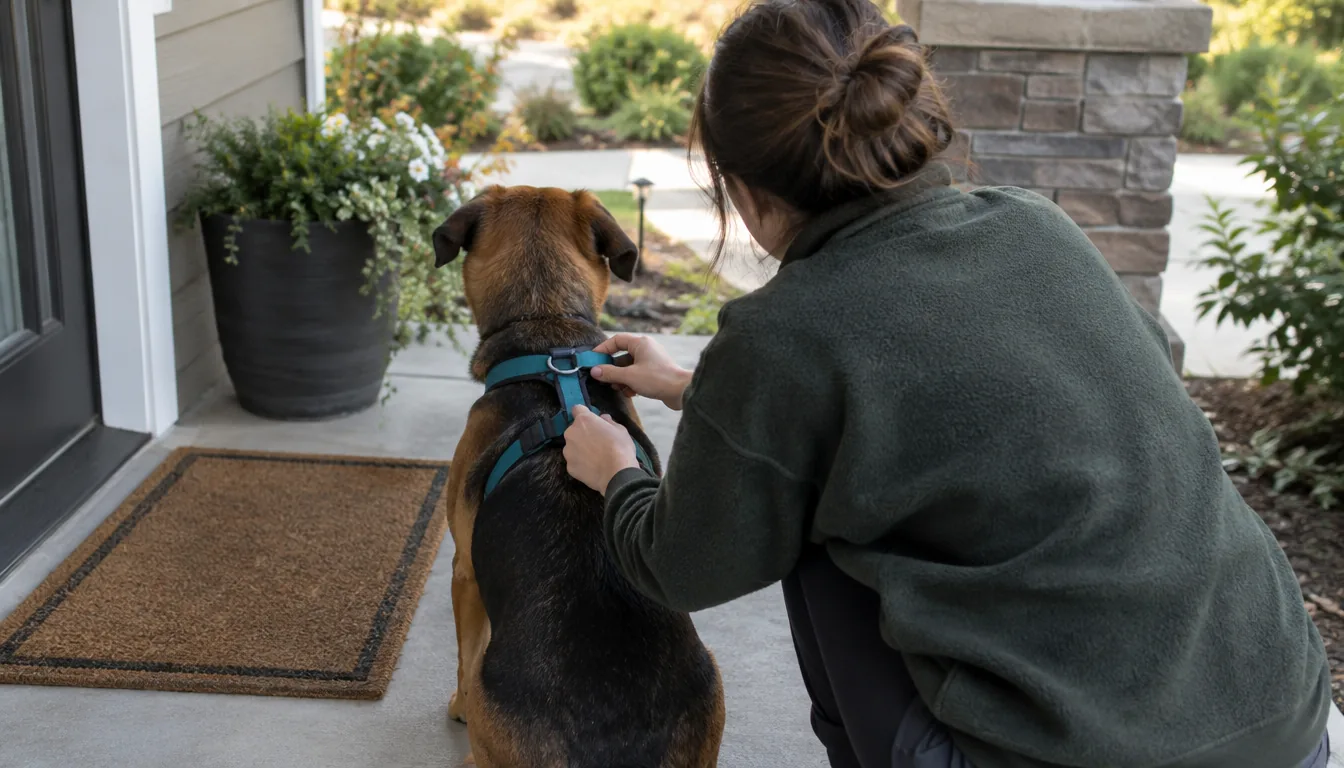 Leashes, Harnesses & Car TravelHow to Put a Harness on a Dog: Step-in, Overhead and Vest Styles7 min read