Car Seat Dog Cover Hammock: How to Choose and Fit One
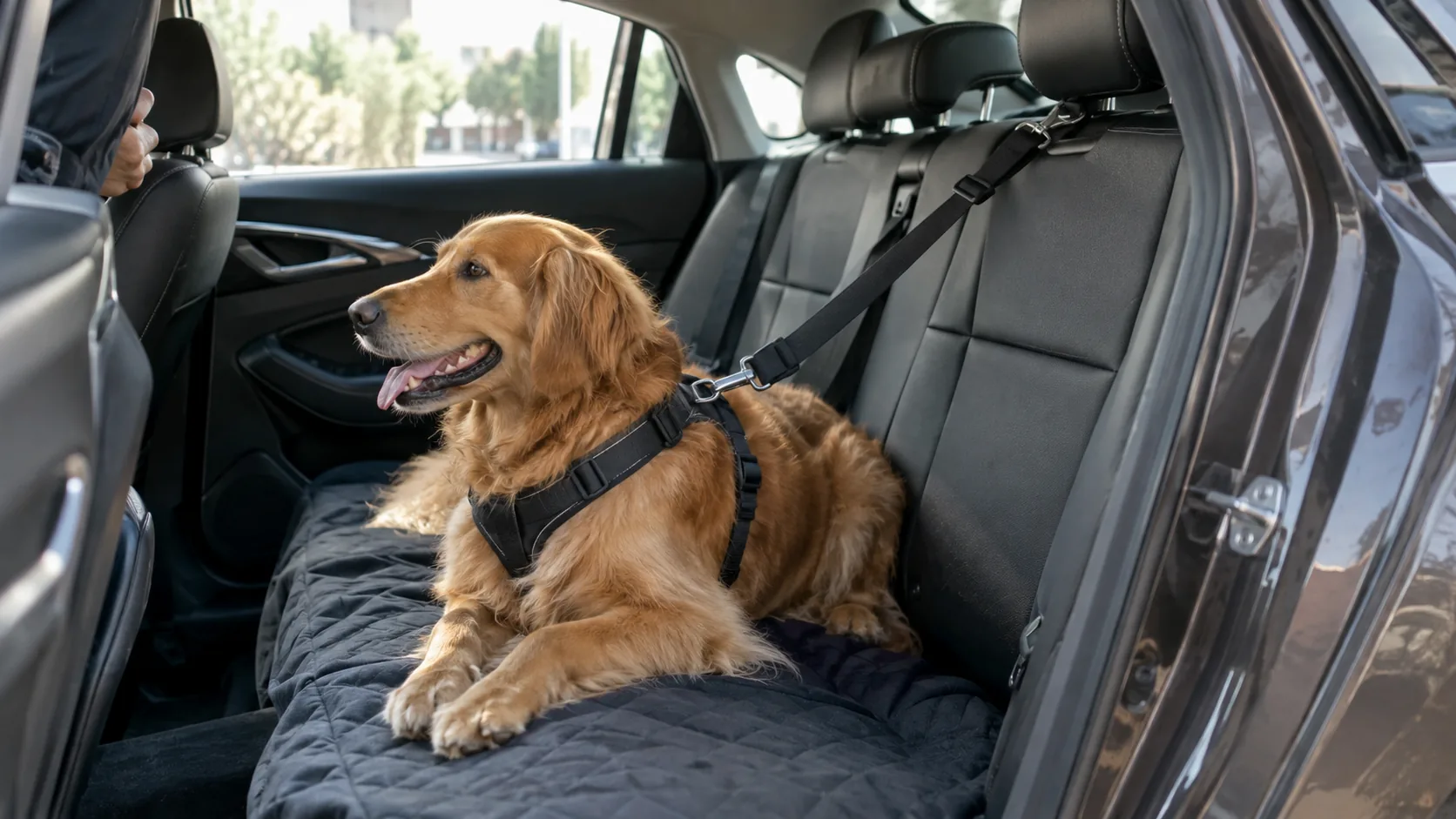
A car seat dog cover hammock hangs between the front and rear headrests; a bench cover lies across the seat. Measure your vehicle, then match the style to your dog and routine.
Dana Whitfield
October 18, 2026 · 7 min read
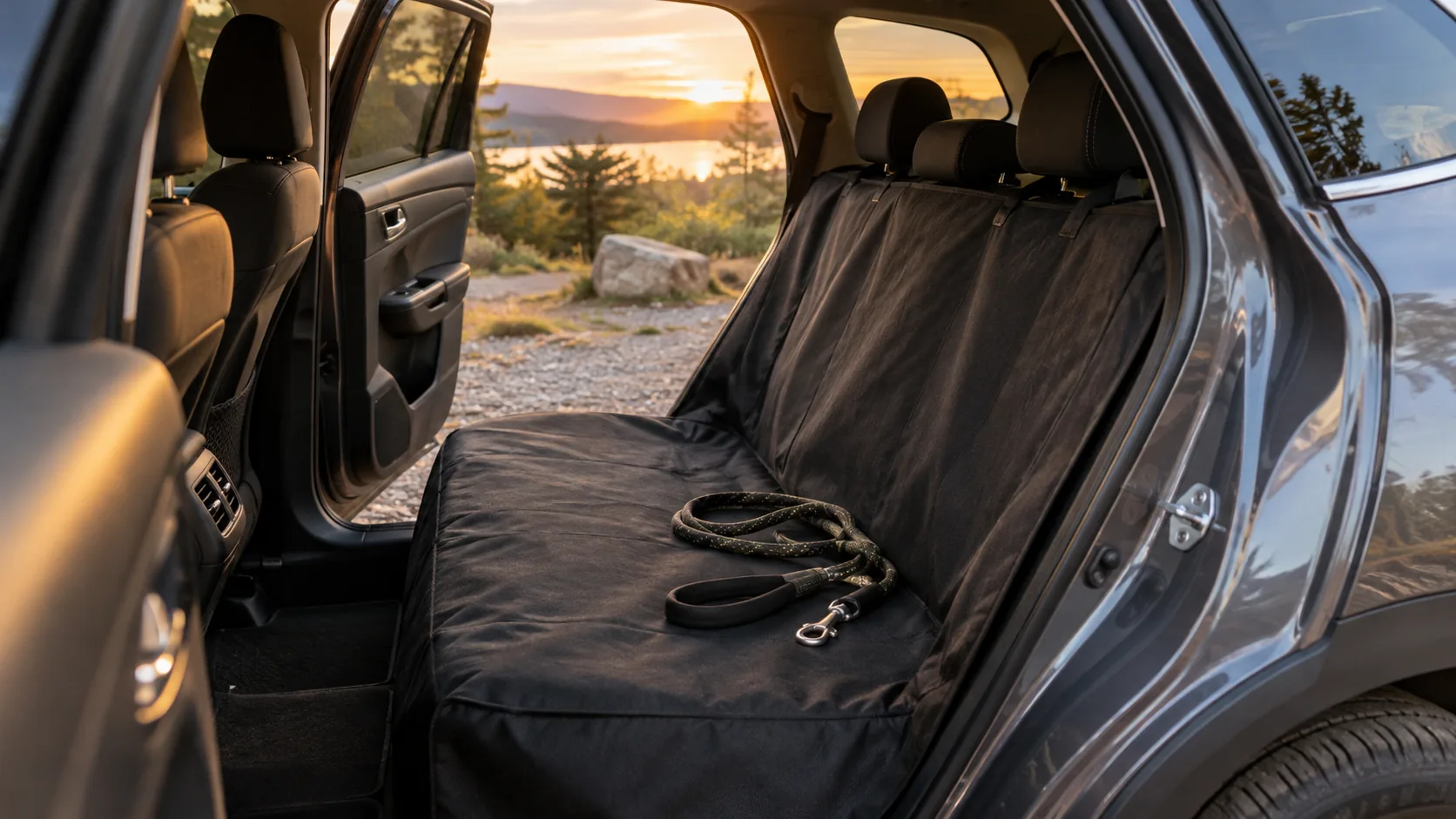
A car seat dog cover hammock is a sling that hangs from the front and rear headrests and spans the gap between the seats. A bench cover lies flat across the back seat instead, and some versions add a firm base. Choose by how your dog rides, the shape of your back seat and how often you plan to wash the cover.
This guide gives you a hammock vs bench-cover comparison, a fit-by-vehicle checklist, a fitting routine and a care schedule. Each step works from your own car, so you can decide before you order.
Car seat dog cover hammock vs bench cover: what each style does
Both styles of seat covers shield your upholstery during trips with mud, water and hair. They differ in shape and in what your dog stands on.
Hammock style
A hammock attaches at the front and rear headrests and hangs between the seats. It closes the footwell gap, so a dog that shifts around has a surface under its paws instead of the floor. The fabric hangs, so it gives a little under weight.
Bench and hard-bottom style
A bench cover lies across the whole seat and may wrap the seat back. Some include side flaps for the door panels. A hard-bottom floor uses rigid inserts to make a flat, raised surface, so your dog stands on a firm base rather than a hanging sling.
| Feature | Hammock | Bench cover | Hard-bottom cover |
|---|---|---|---|
| Shape | Hangs between seats | Lies on the seat | Flat, raised floor across the seat |
| Footwell gap | Closed by the sling | Open unless you add a filler | Depends on the model |
| Door panels | Covered if side flaps are included | Covered if side flaps are included | Covered if side flaps are included |
| Attachment | Front and rear headrests | Rear headrests or seat anchors | Headrest straps |
| Needs | Front and rear headrests | A rear bench | A rear bench |
Fit-by-vehicle checklist
Measure before you order. Work through this list in your own car.
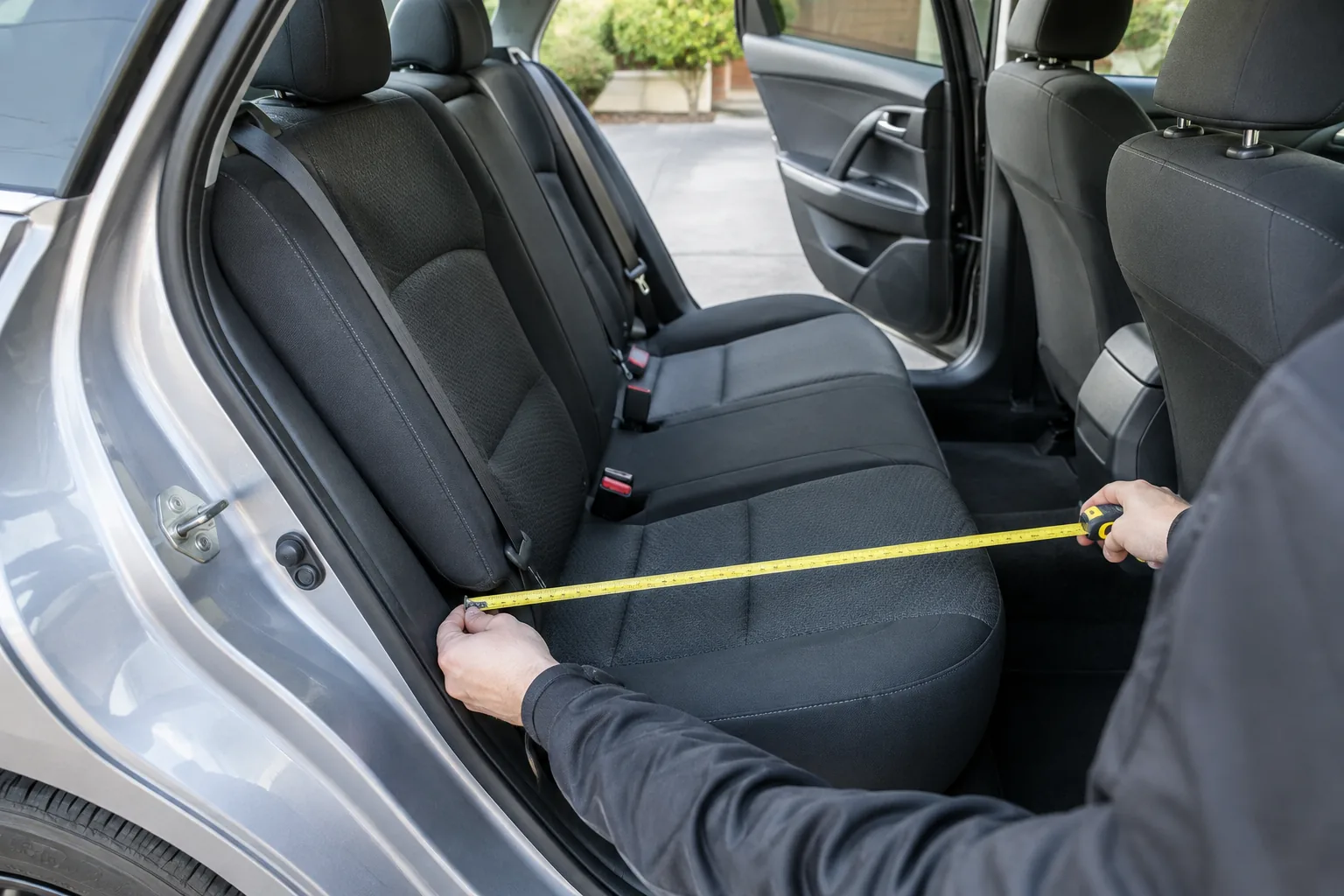
- Measure the rear seat width from door to door at the seat cushion.
- Measure from the front seat back to the rear seat back, with the front seats where you normally drive.
- Check that all headrests lift out or adjust, since straps loop over them.
- Look at whether the rear seat splits 60/40 or folds flat, and whether you need access to it.
- Find the seat belt buckles and any child-seat anchors, and note whether the cover leaves them reachable.
- Check the door panels for fabric or hard plastic, and decide whether you want them covered.
Sedans
A sedan has a shorter gap between the seats, so a hammock hangs shallow and a bench cover lies flatter. Check the front headrest position, because a reclined driver seat changes the span.
SUVs and crossovers
Measure the rear bench width and the height of the headrests. Measure to the cargo area if you fold the seats down, since a back-seat cover and a cargo liner are different products.
Pickups and crew cabs
A crew cab rear bench can be upright and narrow in depth. Check whether the rear headrests are fixed and whether the seat bottom lifts, because both change how straps route. Measure the bench itself, not the bed or cab length.
Front passenger seat
Look for a model that states front-seat use before you put a cover there. Keep the airbag zone clear and follow your vehicle manual.
Choosing by dog size and riding habits
Your dog changes which style suits the car as much as the car does. Think about how your dog gets in, where it stands and how long the rides are.
- Small dogs: a hammock keeps them on a defined strip of seat, and a low sling is easy to step onto from the door.
- Large dogs: check that the cover spans the full seat width, and look at a firm base if your dog shifts its weight a lot.
- Dogs that jump in and out: choose a cover with straps you can tighten, so it stays put while your dog climbs on.
- Dogs that lean on doors: side flaps cover the door panels.
- Wet or muddy rides: look at fabric layers, seam construction and whether the cover is wipe-clean or machine washable.
If you drive with two dogs, measure the bench and compare it with the cover dimensions listed on the product page. A cover that fits the seat width leaves room to spread out.
Features to compare before you choose
- Fabric layers and seam construction, since seams are where mud and water work through.
- Whether the cover is wipe-clean, machine washable or both.
- Side flaps for the door panels, which matter if your dog leans on the doors or scratches them.
- A mesh window or opening so you can see your dog from the driver seat.
- Strap adjustability, so it fits different headrest heights.
- Whether it needs tools to install.
Skip any cover that blocks the rear seat belt buckles. You need them for your dog's own restraint, which a cover does not replace. Use a car harness or crate as its manufacturer describes, and ask a veterinarian if you are unsure what suits your dog.
Where a hard-bottom cover fits in
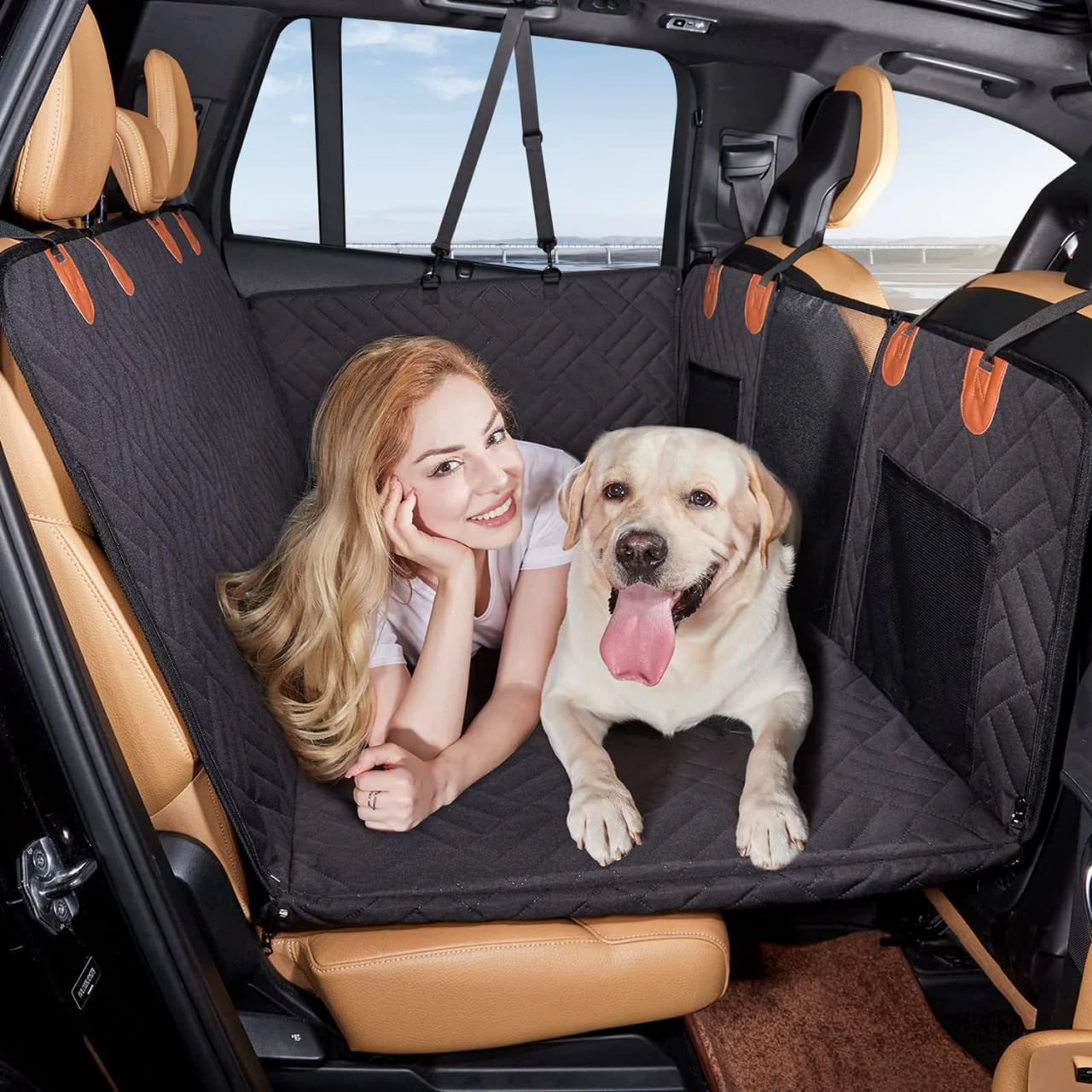
If your dog slips on a sling or you want a flat surface, a hard-bottom cover is the option to look at. PawGuard Pro is a dog car seat cover that folds out across the back seat. Rigid inserts slide into the cover to form a flat, raised floor.
The cover is built from a triple-layer barrier with a sealed barrier at the seams, and the fabric wipes clean or goes in a standard washer once the inserts are out. Adjustable straps clip to the front and rear headrests on sedans, SUVs and pickups, and zippered side flaps cover the door panels. A mesh window lets you see your dog.
 In this guidePawGuard Pro$299.99View
How to fit a cover in six steps
The steps below follow the PawGuard Pro setup, which uses no tools. For any other cover, follow the maker's instructions and your vehicle manual.
- Clear the rear seat and vacuum it so grit does not sit under the cover.
- Unfold the cover across the seat and center it.
- Slide the rigid inserts into place to form the flat floor.
- Clip the adjustable straps to the front and rear headrests and take up the slack.
- Close the zippers on the side flaps over the door panels.
- Check the seat belt buckles are reachable, then let your dog hop on.
Field note
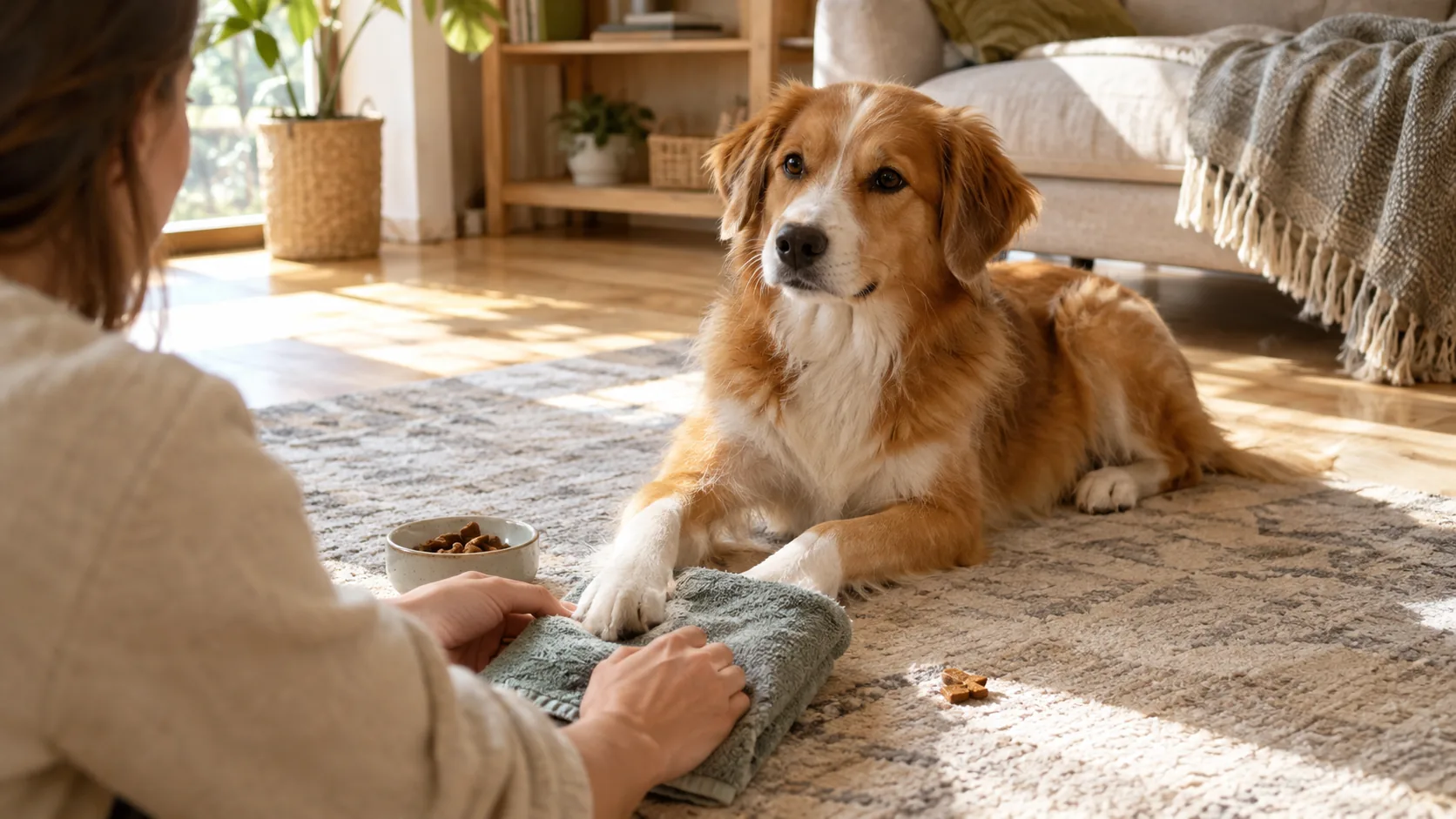
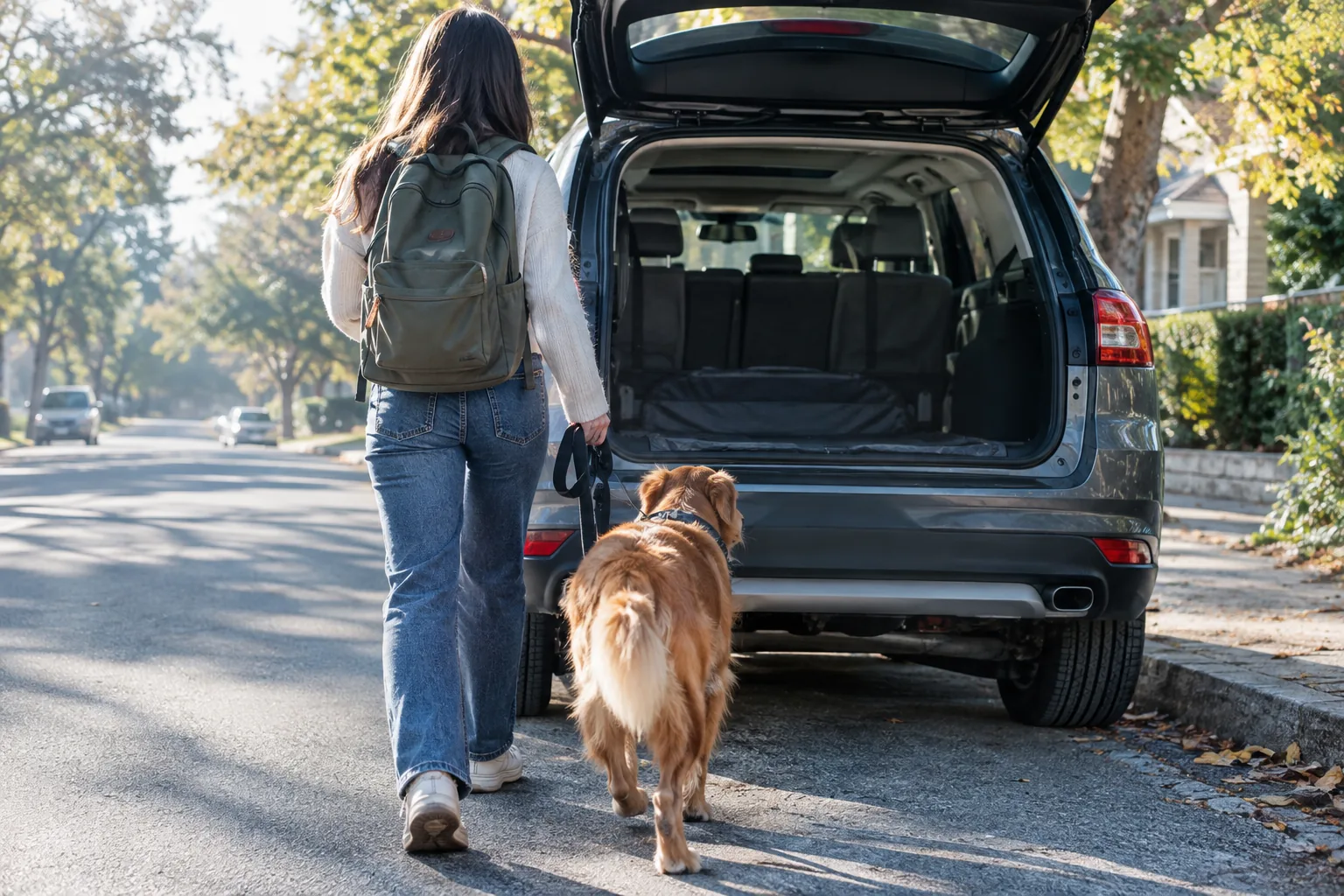
Do a dry run with the car parked before the first trip. Let your dog step on the cover, offer a treat and shut the doors, so the first real ride is not also the first time on the new surface.
Common mistakes and care schedule
- Ordering without measuring the seat width and the gap to the front seats.
- Leaving straps loose, so the cover slides when your dog climbs in.
- Covering the seat belt buckles and losing access to the harness connection.
- Letting long nails snag fabric. Our guide on using a dog nail clipper without hitting the quick covers trimming.
- Folding up a damp cover and storing it in the trunk.
Picking up a harness or seat belt tether for the same trip? Browse Leashes, Harnesses & Car Travel for travel gear.
| When | What to do |
|---|---|
| After each muddy or wet trip | Wipe the cover down and let it dry before the next ride |
| Weekly | Shake out hair and vacuum the surface |
| When it smells or looks dirty | Take out the inserts, then machine wash the cover if the label allows |
| Each season | Check straps, zippers and seams for wear |
Always follow the care label. Remove the inserts before washing, and air dry anything the label says not to tumble.
Quick decision guide
- Choose a hammock if your car has tall headrests at front and rear and you want the footwell gap closed.
- Choose a bench cover if you only have a rear bench to work with or want the door panels covered.
- Choose a hard-bottom cover if you want a flat, raised floor across the whole seat.
Measure first, confirm the headrests, and keep the seat belt buckles reachable. Those three checks narrow the choice to the style that fits your car and your dog.