How to Get a Dog to Stop Barking: Find the Trigger, Fix It
Name the bark first: alert, boredom, crate or demand. Each type has its own training step, and a deterrent works only as a cue alongside that training.
The Millbrook Team
October 28, 2026 · 7 min read
How to get a dog to stop barking starts with the reason behind the noise. Alert, boredom, crate and demand barking each need a different fix, so watch what happens just before the barking, pick the matching step from the table below, and practice it daily.
A deterrent device can add a cue to that routine, but it does not replace exercise, structure or teaching the dog what to do instead. This guide walks through the decision, the steps and the mistakes that keep the barking going.
Find the trigger before you try to stop the barking
Barking is normal dog communication, so the goal is less noise at the right moments, not a dog that makes no sound at all. For three or four days, keep a short trigger log each time barking starts. Note the time, the place, what happened just before, and what the dog did with its body.
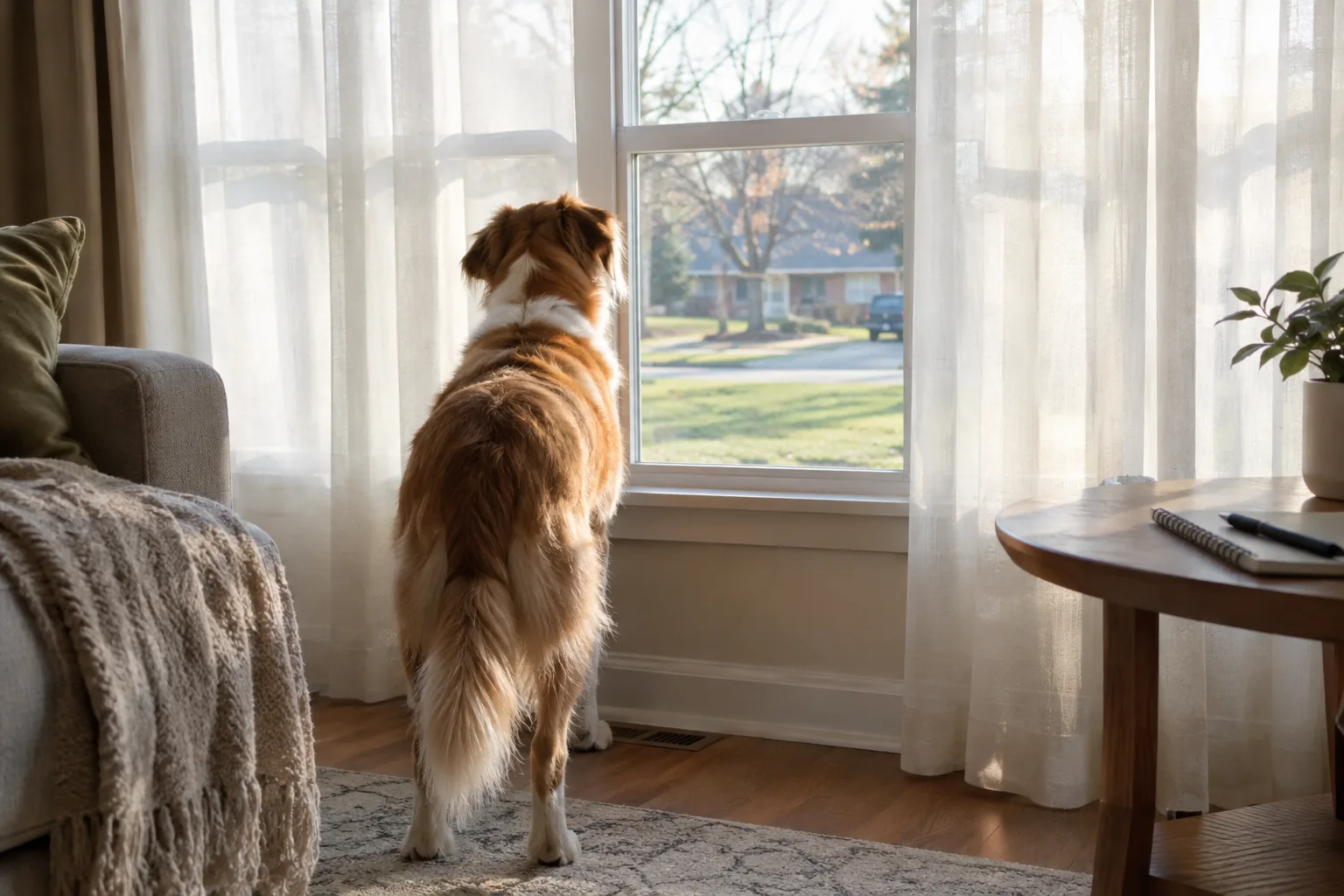
Look for patterns. A dog that barks at the window at the same hour each day is reacting to a passing person or vehicle. A dog that barks only when you are on your laptop is asking for something. A dog that barks only in the crate is telling you about the crate itself.
Sudden barking in a dog that was quiet before can have a physical cause. Ask a veterinarian to check before you start training.
How to get a dog to stop barking: match the bark to the step
Use this table once your log shows a clear pattern. Start with the training step, and view the last column as an option, not a requirement.
| Bark type | What you see | Training step | Where a deterrent can fit |
|---|---|---|---|
| Alert | Barking at the window, door, fence or passersby; stiff posture, eyes fixed outside | Block the view, then teach "go to your mat" when someone passes | As a consistent cue you trigger yourself while you practice, for example at the door |
| Boredom | Repeated barking in the yard or alone, with no clear target | Add exercise, sniffing walks, chew time and puzzle feeders | Rarely needed; fix the schedule first |
| Crate | Barking or whining after the door closes or when you leave the room | Rebuild crate comfort in small steps, reward quiet | Not a starting point; use training steps |
| Demand | Barking while staring at you, at the couch, the food bowl or the leash | Ignore the bark, reward the first quiet moment | As a cue paired with a spoken "quiet" if you like |
If your dog barks at several things, work on one trigger at a time. Our full trigger-by-trigger barking plan goes deeper on each scenario.
Training steps for each bark type
Alert barking at people, dogs and noises
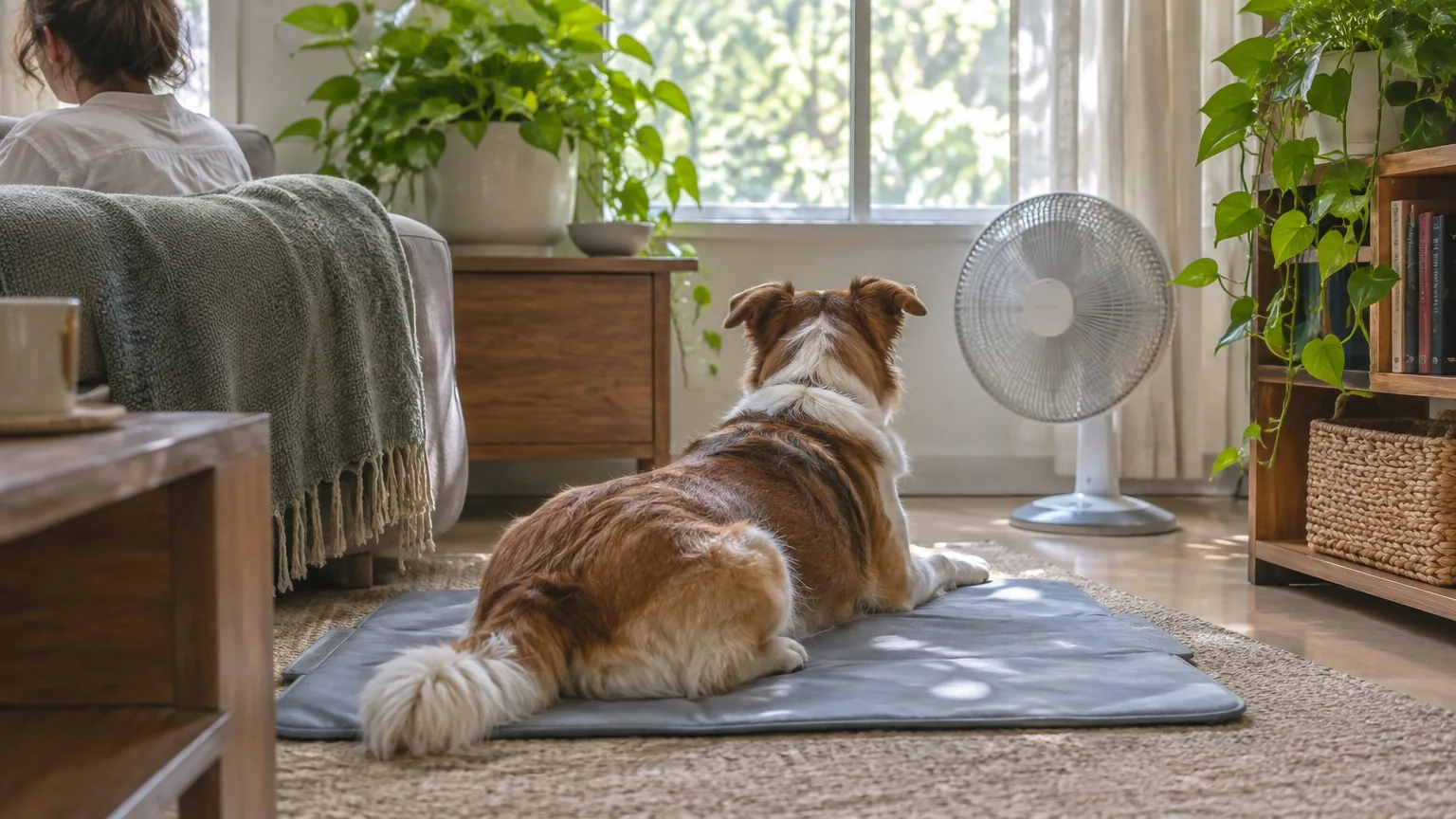
Dogs that bark at everything that passes may be guarding their space. Start by limiting the view: close curtains, use window film or move furniture so the dog cannot patrol the glass through the day.
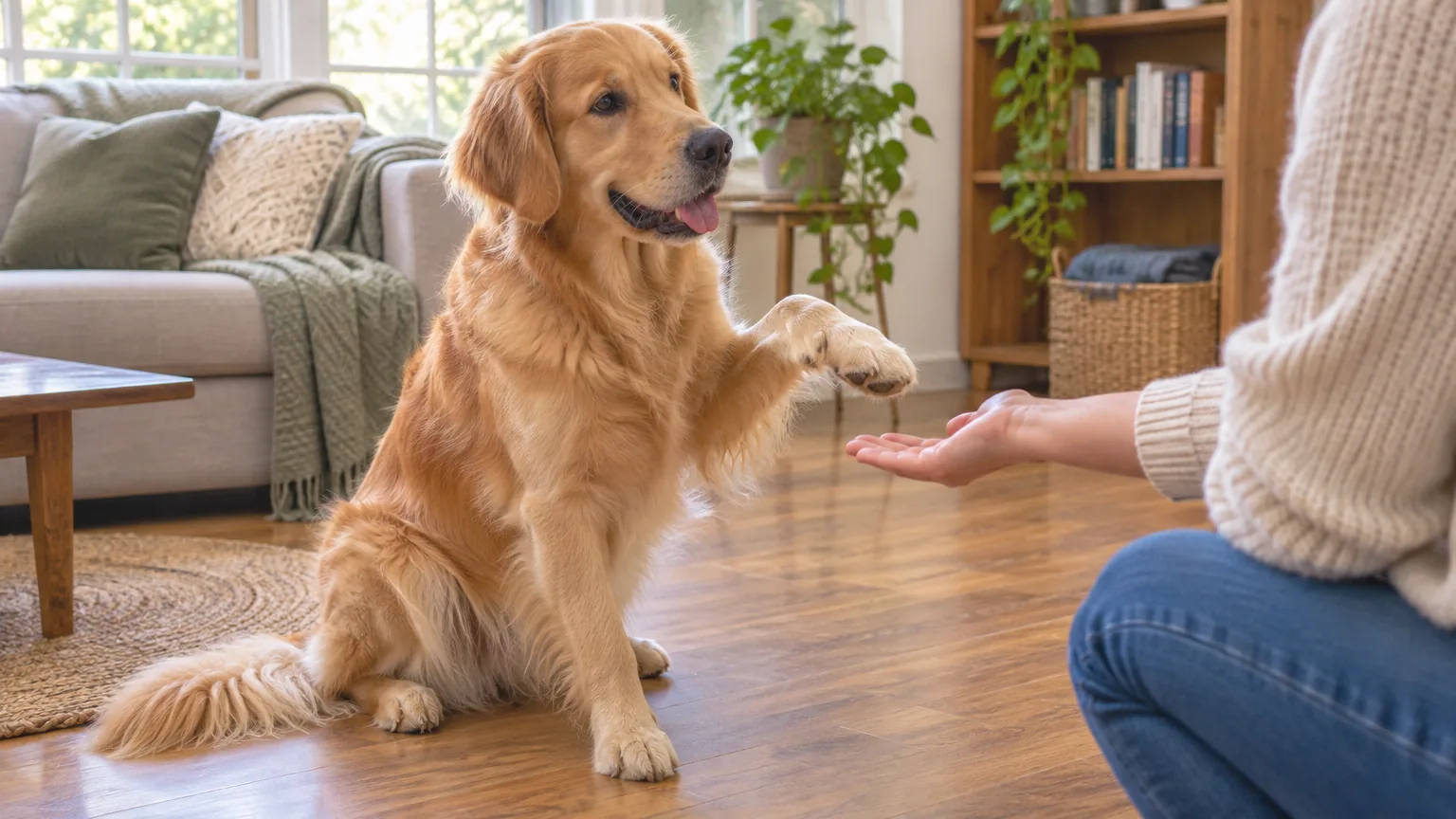
Next, teach a mat cue. Reward the dog for lying on a mat, then add distance, then add a doorbell or a passerby. When the dog barks once or twice and then looks at you, say "thank you" and call it to the mat. Reward the quiet, not the noise.
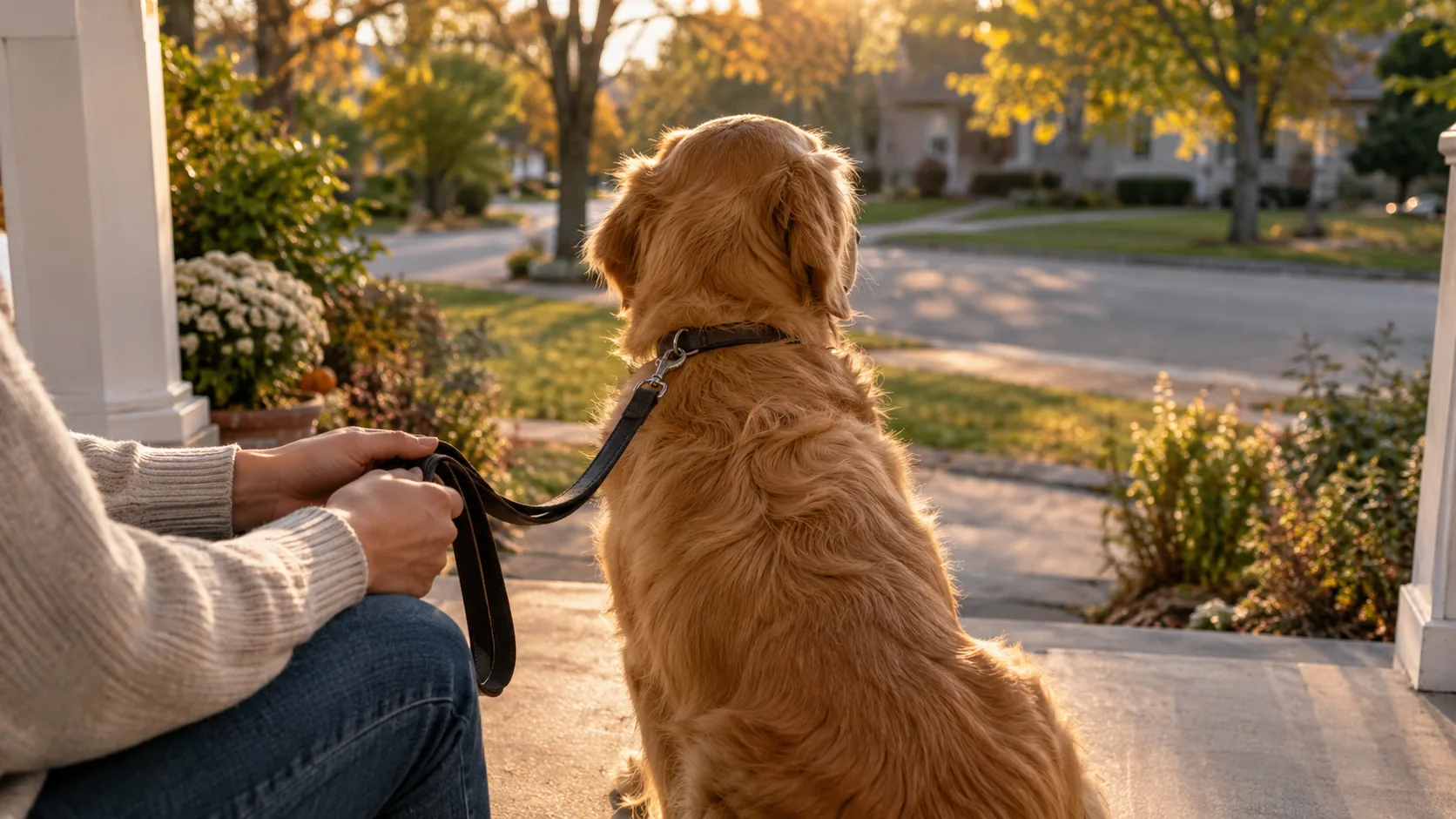
For barking at people on walks, increase the distance until the dog notices without barking, then reward calm looks. Move closer in small steps over several sessions. For barking at other dogs, the same distance rule applies.
Boredom barking
A dog that is not getting enough exercise and mental stimulation invents its own job, and barking is an easy one. Add a sniff-heavy walk, a food puzzle or a chew before you leave the dog alone for stretches.
Rotate toys so they stay interesting. Hide part of a meal in a snuffle mat or scatter it on the lawn. Yard time alone is not exercise, so go out with the dog and play.
How to stop dog barking in a crate
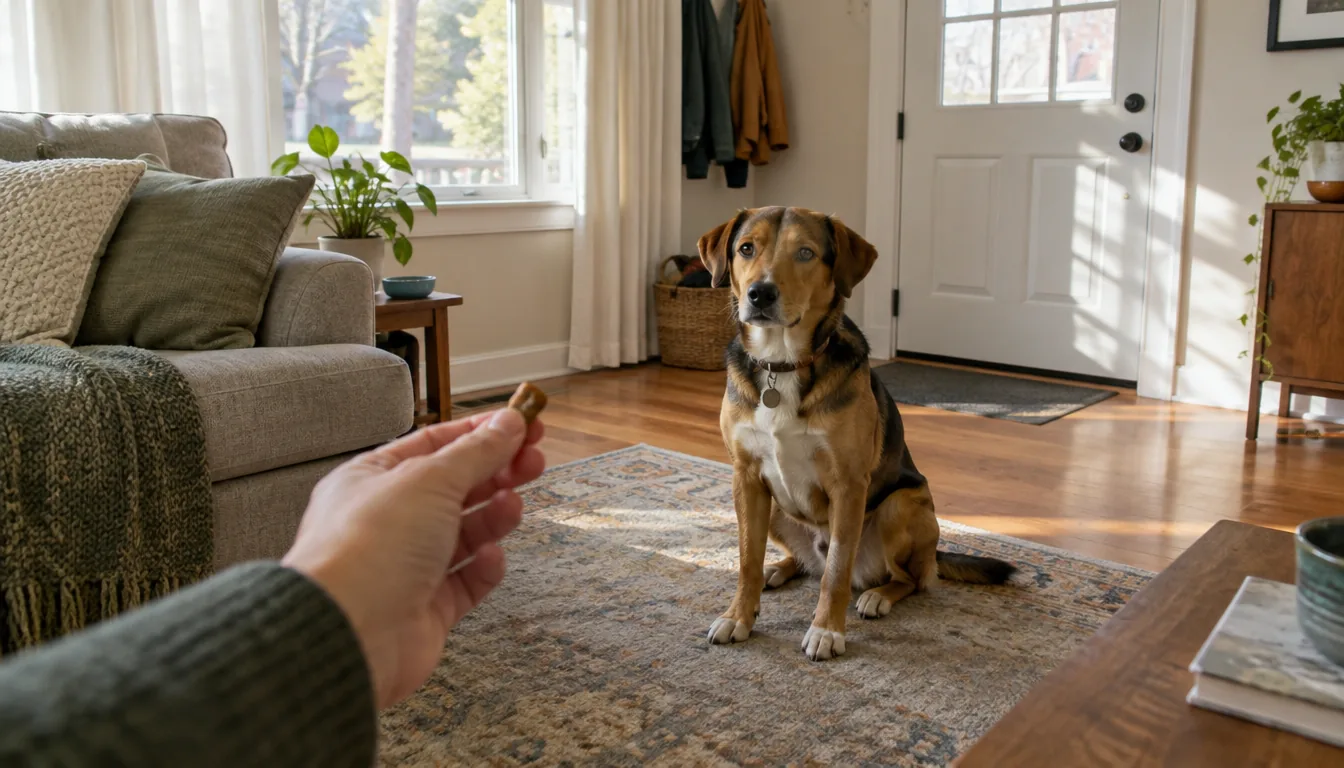
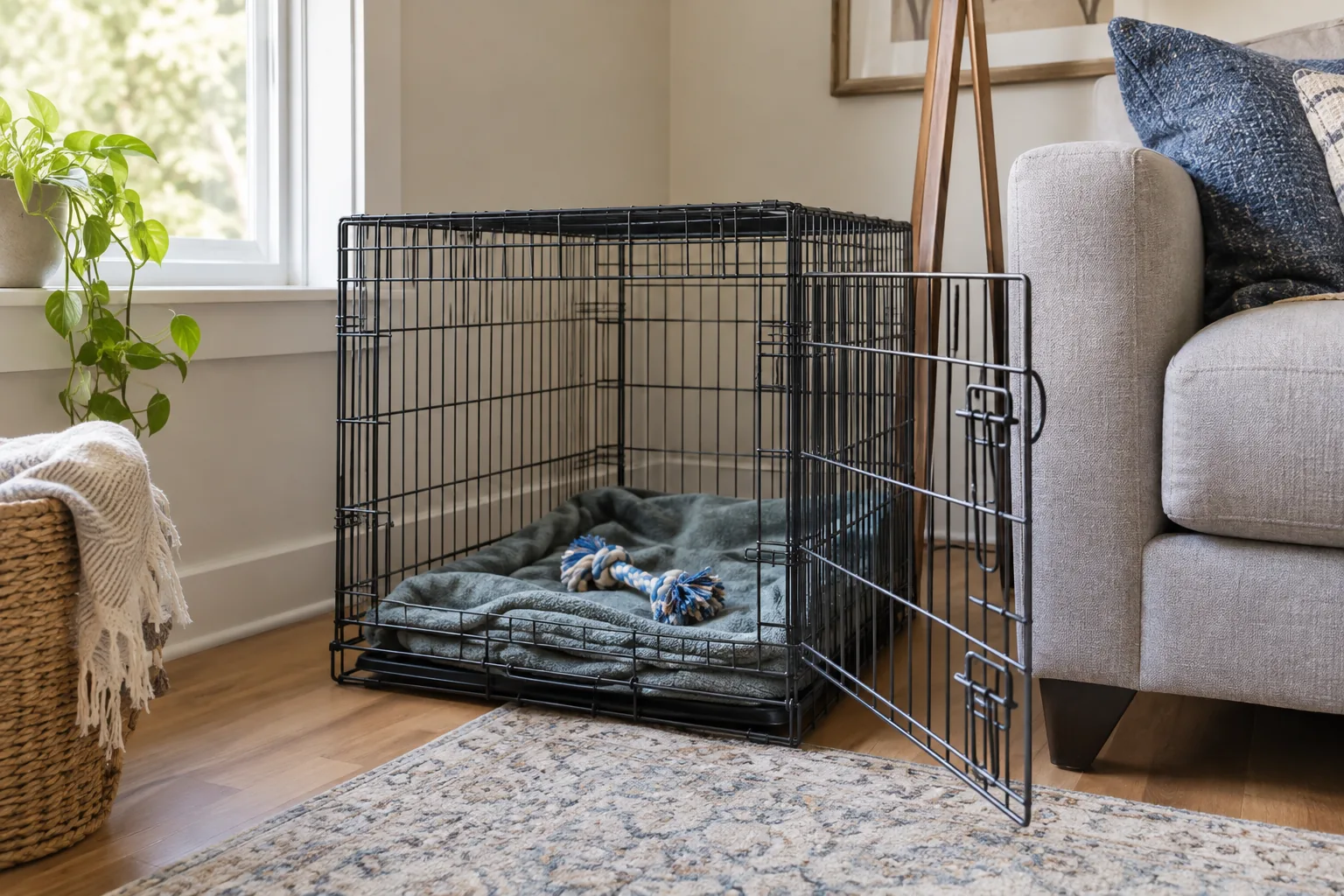
To get a dog to stop barking in a crate, change how the dog feels about the crate before you ask for quiet. Feed meals inside with the door open, then close the door for a moment while the dog eats, and open it before any barking starts.
Build up the time in small steps. Only open the door when the dog is quiet, so barking does not work as a door key. If the dog barks, wait for a pause, reward it, and go back a step in your next session.
Exercise the dog before crate time and keep the crate in a spot where it can hear the household. Puppies need frequent potty breaks, so see our week-by-week puppy plan for crate schedules.
Demand barking
If your dog barks at you when you sit on the couch, it is likely asking for attention, food or play. Any response, even a scolding, can reward the barking.
Stay still and look away. The moment the dog pauses, even for a breath, mark it with "yes" and give a treat or a pat. Over several days, wait for slightly longer pauses before rewarding. Also give the dog a way to ask politely, such as sitting or fetching a toy.
Puppy barking for attention follows the same steps: reward the pause, keep sessions very short, and give the puppy a chew or toy to settle with.
Keep attention predictable. Short play and training sessions at set times give the dog less reason to demand them at random.
When a deterrent adds value
An anti barking device fits when you already know the trigger and have a training routine, and you want a consistent signal at the moment the barking starts. You activate it yourself while you are present, for example at the door or along a fence line during a planned training session.
It does not fit when the dog barks from fear, separation distress or crate panic. Adding a sound to a worried dog can add to the problem. If the dog barks when left alone and also paces, drools or destroys things, talk to a veterinarian or a qualified trainer instead of using a device. For milder cases of barking when left alone, build up absences in small steps and add exercise and a chew beforehand.
Ultrasonic devices work by sound alone, with no physical contact. Follow the manual, keep short sessions, and watch your dog's reaction. If the dog seems stressed, end the session and ask a veterinarian or trainer. Do not point the device at another person's pet.
Two handheld options we stock
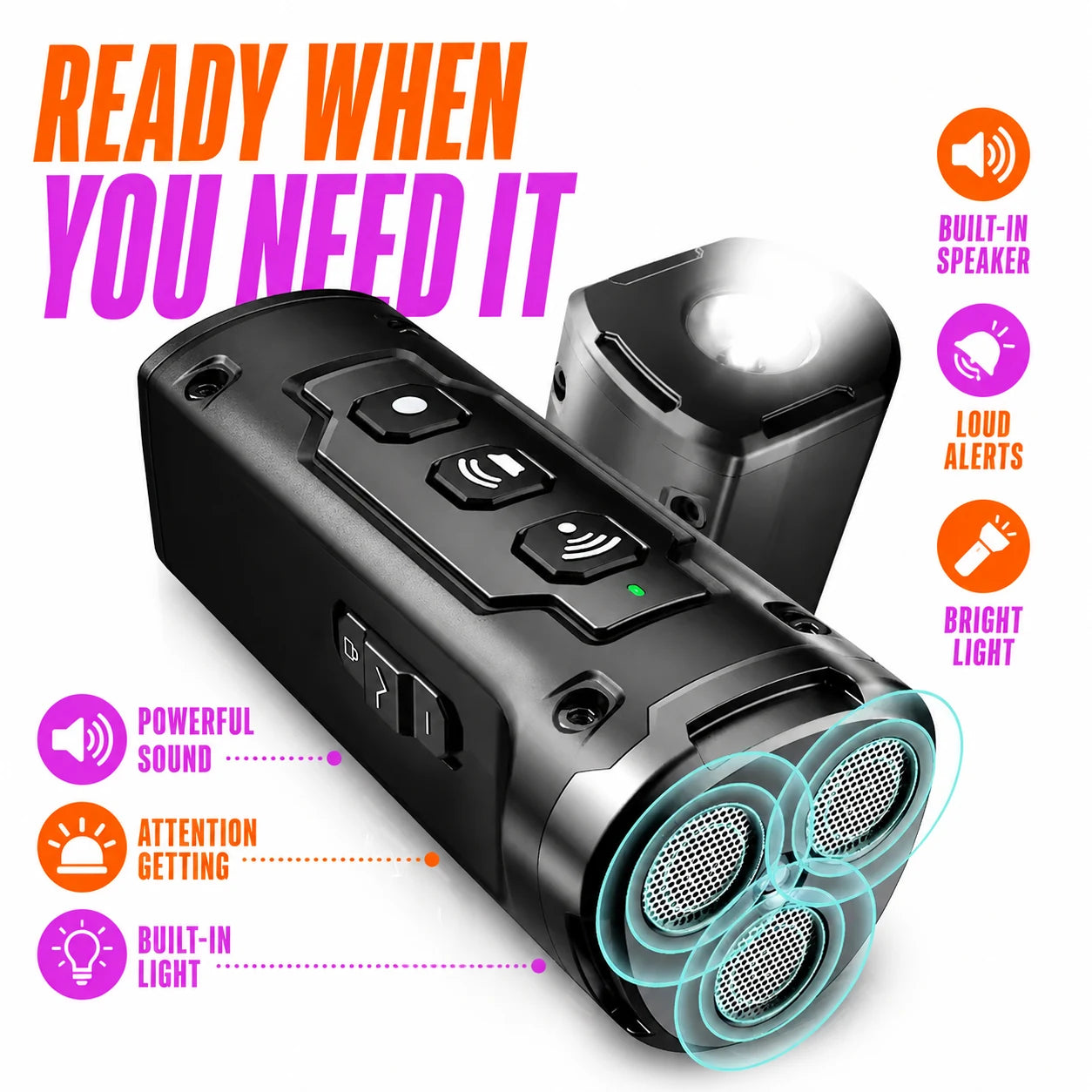
BarkWave Pro is a handheld ultrasonic device for bark training routines. It has four sound modes and a deterrent light, so you can choose a sonic cue, a deterrent tone or the flash signal depending on how your dog responds. It charges over the included USB cable and comes with a wrist strap and carrying case for walks.
 In this guideBarkWave Pro$119.99View
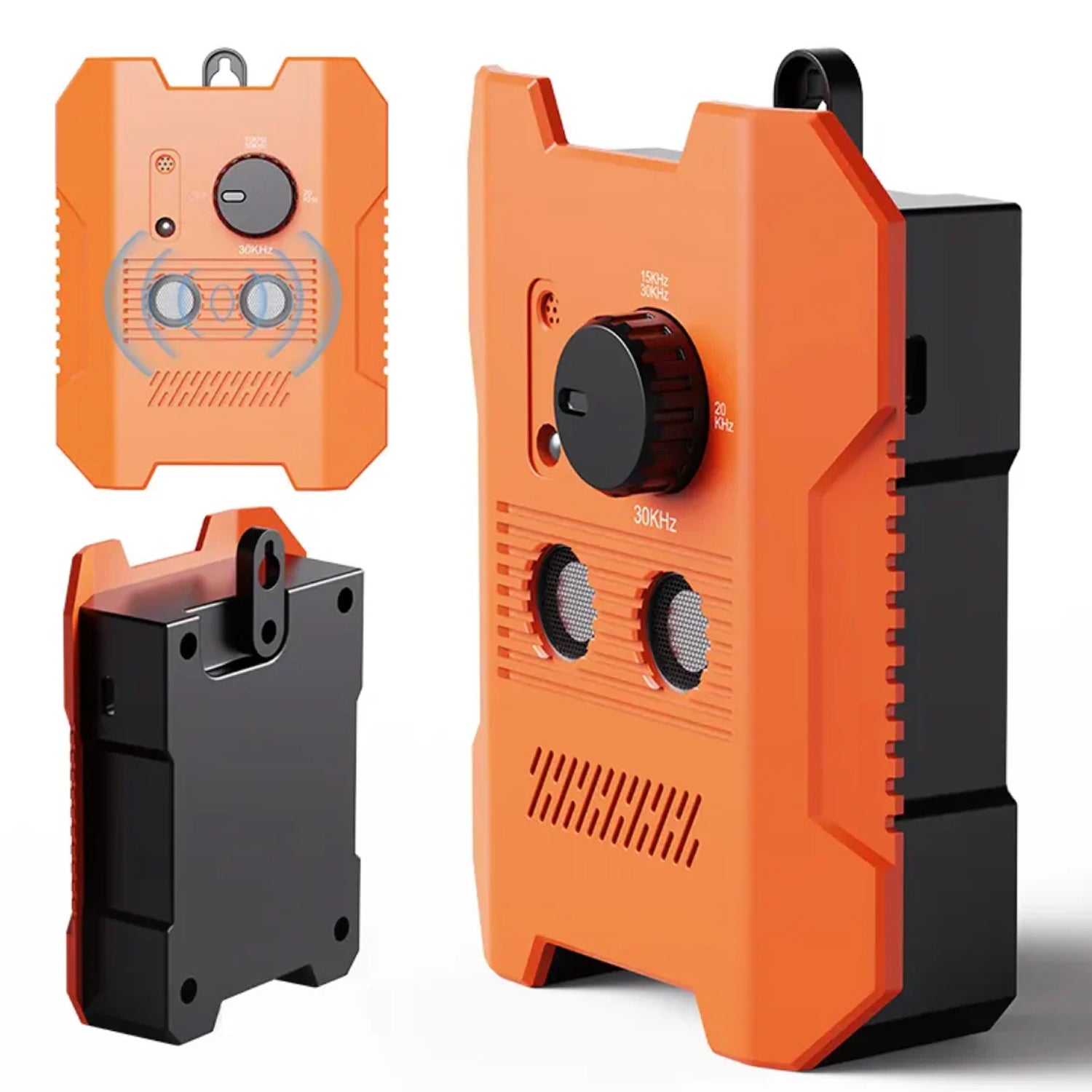
SonicHush is a handheld ultrasonic anti-barking device with a three-position dial: 15 KHz, 20 KHz and a sweep setting that cycles through 15 KHz to 30 KHz. It charges through a USB-C port, and the mounting bracket lets you fix it to a fence or wall, or you can carry it on walks.
 In this guideSonicHush$79.99View
How to pair a device with training
- Pick one trigger and one mode, and keep both the same for the whole session.
- Point the device toward the dog when the unwanted barking starts.
- Say "quiet" at the same moment, if you use a spoken cue.
- Reward the pause with a treat or praise as soon as the dog is quiet.
- End the session while the dog is still doing well, and repeat on another day.
Field note
Charge the device between sessions, and put it away after each one. A device left within reach of the dog can turn into a toy or a source of confusion.
Barking at night and at the neighbor's dog
For nighttime barking, check the basics first: a last potty trip, a tired dog, a cozy sleeping spot and no view of the street. Move the bed or crate away from windows if outside noise sets the dog off.
If a neighbor's dog is the problem, start with a friendly conversation. The owner may not know the dog barks while they are away. Offer specifics, such as the times you hear it, and avoid blame. If talking does not help, check your local rules on noise and consider mediation.
Do not aim a device at a dog that is not yours. Ask the owner first, because the dog may be barking for a reason you cannot see.
Common mistakes that keep the barking going
- Yelling, which some dogs read as joining in.
- Rewarding the bark by giving attention, food or the door opening the moment it starts.
- Changing the plan every day, so the dog does not learn what works.
- Skipping daily exercise and expecting training alone to fix boredom.
- Using a deterrent on fearful or worried barking.
- Training for a long stretch in one go instead of short, frequent sessions.
Progress is gradual. Knowing how to get a dog to stop barking means repeating each step over several days and across different places, one trigger at a time. For training gear and enrichment toys, browse our Training, Behavior & Play collection.