How to Stop a Dog From Digging Under the Fence or Jumping It
Find out why your dog is escaping, then pair a fence fix with a training step. This guide covers digging, jumping and a tracking backup.
The Millbrook Team
October 31, 2026 · 8 min read
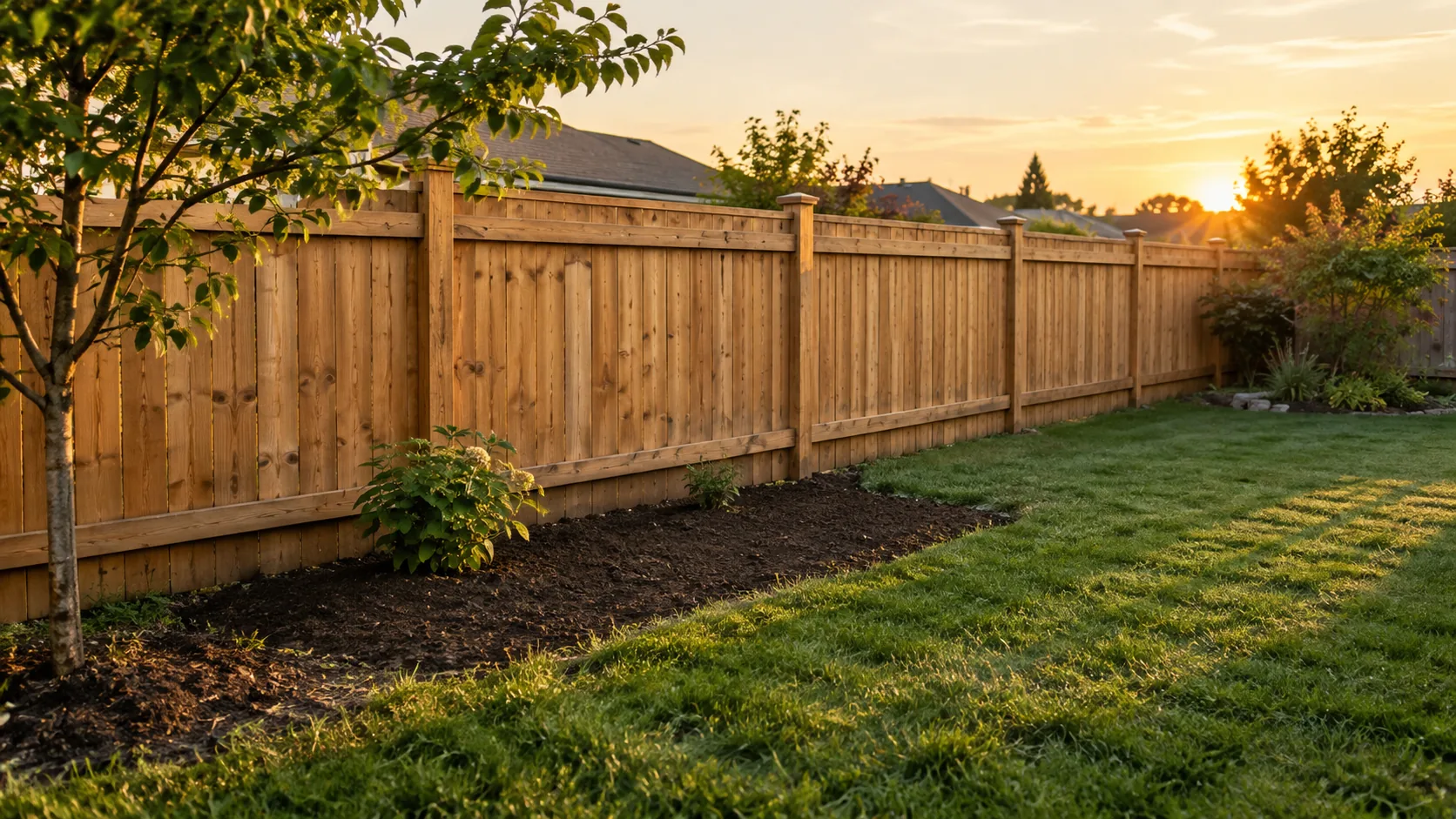
To learn how to stop dog from digging under fence, start with the reason your dog is digging, then close the gap and change the habit at the same time. A buried barrier along the base of the fence blocks the route, while exercise, a dig spot and supervised yard time address the urge. Jumping works the same way: find the trigger, adjust the fence line, and train an alternative.
Fixing only the hole can move the escape point a few feet along the fence. The sections below match each cause to a physical fix, a training step and a backup option.
Why dogs dig under or jump the fence
Dogs dig and jump for reasons that look similar from the window but need different fixes. Watch your dog for a few days, from inside the house, and note when and where the escape attempts happen.
- Boredom or extra energy: digging happens when the dog is left out with nothing to do, often in several spots.
- Prey drive: digging or jumping is aimed at one spot where squirrels, rabbits or burrowing animals pass along the fence line.
- Being left alone: escape attempts cluster near the gate or the side of the yard facing the house or the street.
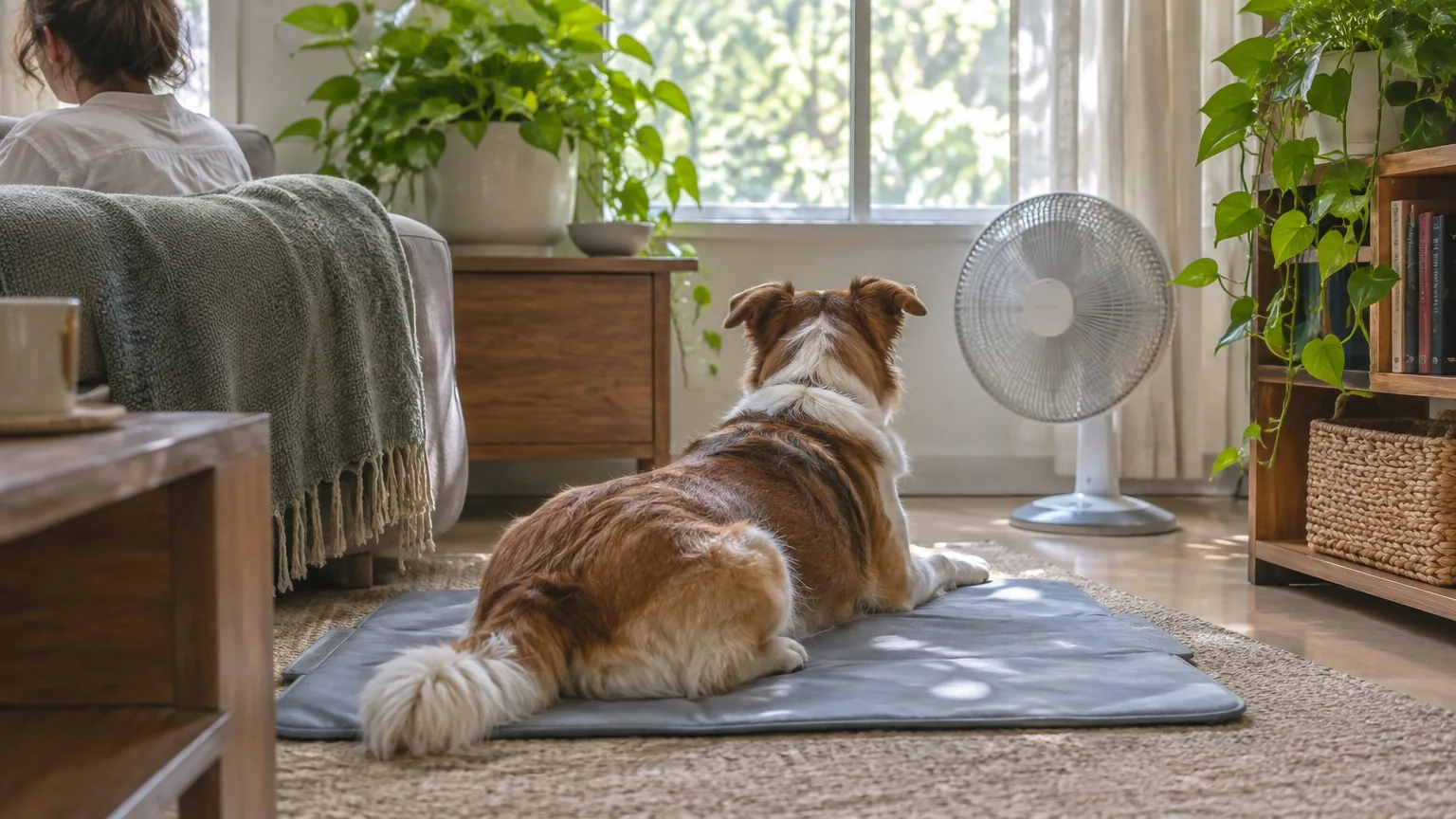
- Heat: holes are dug in shade, near the fence or under shrubs, as a place to cool off in hot weather.
- Social pull: the dog works at the fence where it can see people, dogs or traffic.
- Breed tendencies: some terriers and northern breeds dig, and some athletic breeds jump, even with plenty of exercise.
A dog that has reached the other side once is likely to try again, so assume every gap is a repeat route. If digging starts all of a sudden, look at what has changed in the routine or the yard, and ask a veterinarian if you are concerned.
How to stop dog from digging under fence: match the cause to a fix
Use this table after you have a guess about the cause. For your dog's likely cause, use the fix from each column in that row: a fence change, a training step and a backup.
| Likely cause | Fence fix | Training step | Backup option |
|---|---|---|---|
| Boredom | Buried wire or footer along the base | Daily walks, sniff time, puzzle feeders, a dig box | GPS alerts when the dog leaves a mapped area |
| Prey drive | Wire apron plus rocks or pavers at the hot spot | Call the dog in when wildlife appears; reward the recall | GPS boundary alerts on your phone |
| Being left alone | Close the gap at the gate and corners | Short absences first; keep yard time supervised | GPS boundary alerts on your phone |
| Heat | Fill holes; add a raised barrier at the base | Provide shade, water and an indoor option | Boundary alerts while the dog is out |
| Fence-line reactivity | Visual screen so the dog cannot see out | Reward calm behavior away from the fence | GPS boundary alerts on your phone |
| Jumping | Raise the fence height, add an angled top, move objects away | Teach a settle on a mat and a reliable recall | GPS tracking in case the dog clears the fence |
Physical fixes for digging under the fence
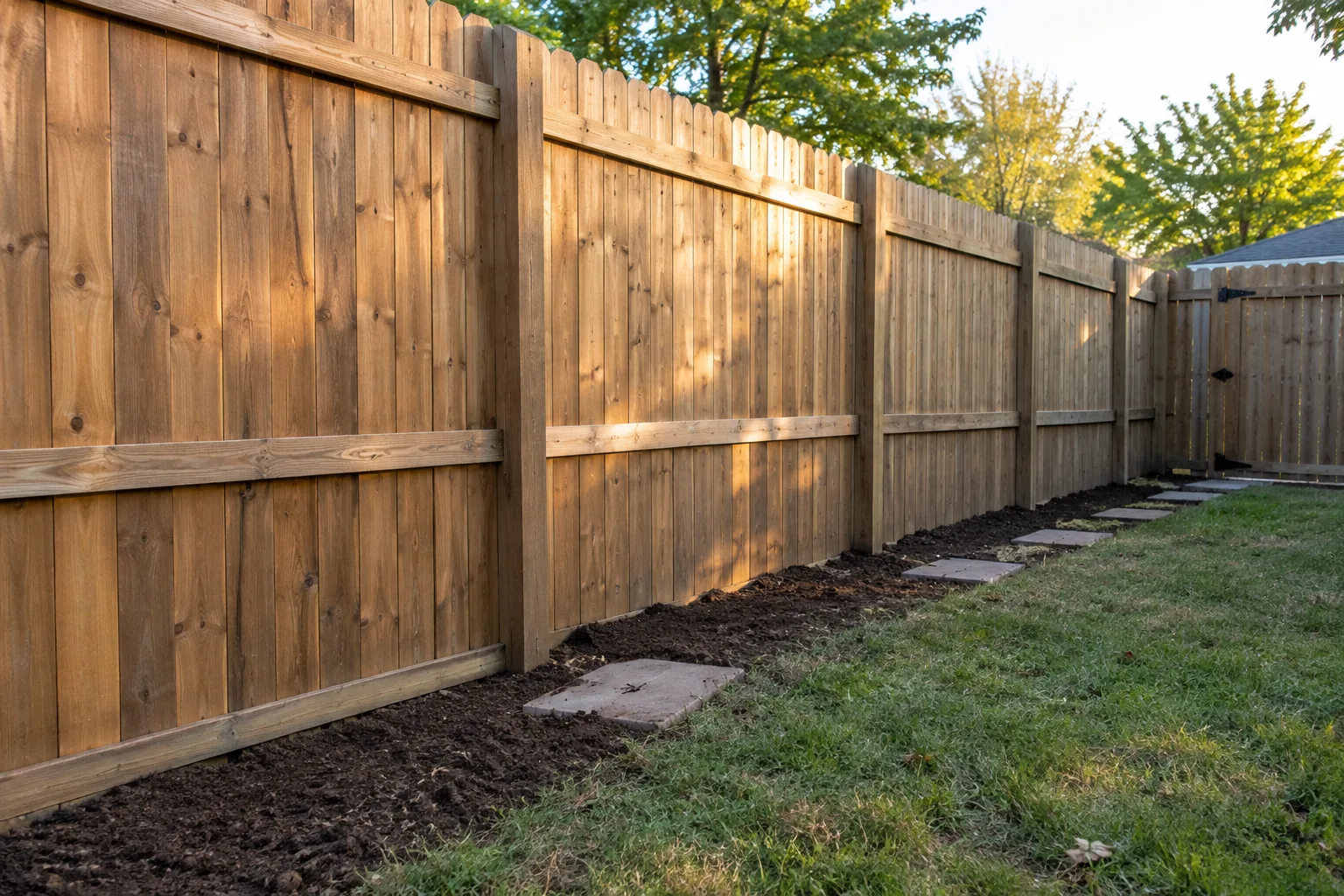
The fence fix does the blocking while training takes time. To keep a dog from digging under the fence over the long term, make the barrier something the dog cannot dig through, not just something unpleasant.
Fill and bury
- Fill every existing hole with soil and pack it down. Loose soil invites more digging.
- Bury chicken wire or welded wire along the fence line, about 12 to 18 inches (30 to 45 cm) deep. Fold the lower edge inward, toward the yard, in an L shape, so the dog meets wire where it starts to dig.
- Fasten the wire to the fence with fence staples or ties, and cover it with soil or mulch.
- Bend cut wire ends down and away from paws. Check the manual for your tools or ask a contractor if you are unsure.
Lay a surface barrier
- Set large rocks, pavers or a concrete curb along the base of the fence. A dog has a hard surface to meet instead of loose soil.
- Run a wire apron flat along the ground inside the fence and weigh it down with soil, mulch or gravel.
- On a wooden fence, add a board or rot-resistant kickboard at ground level to cover gaps under the pickets.
Check the gates
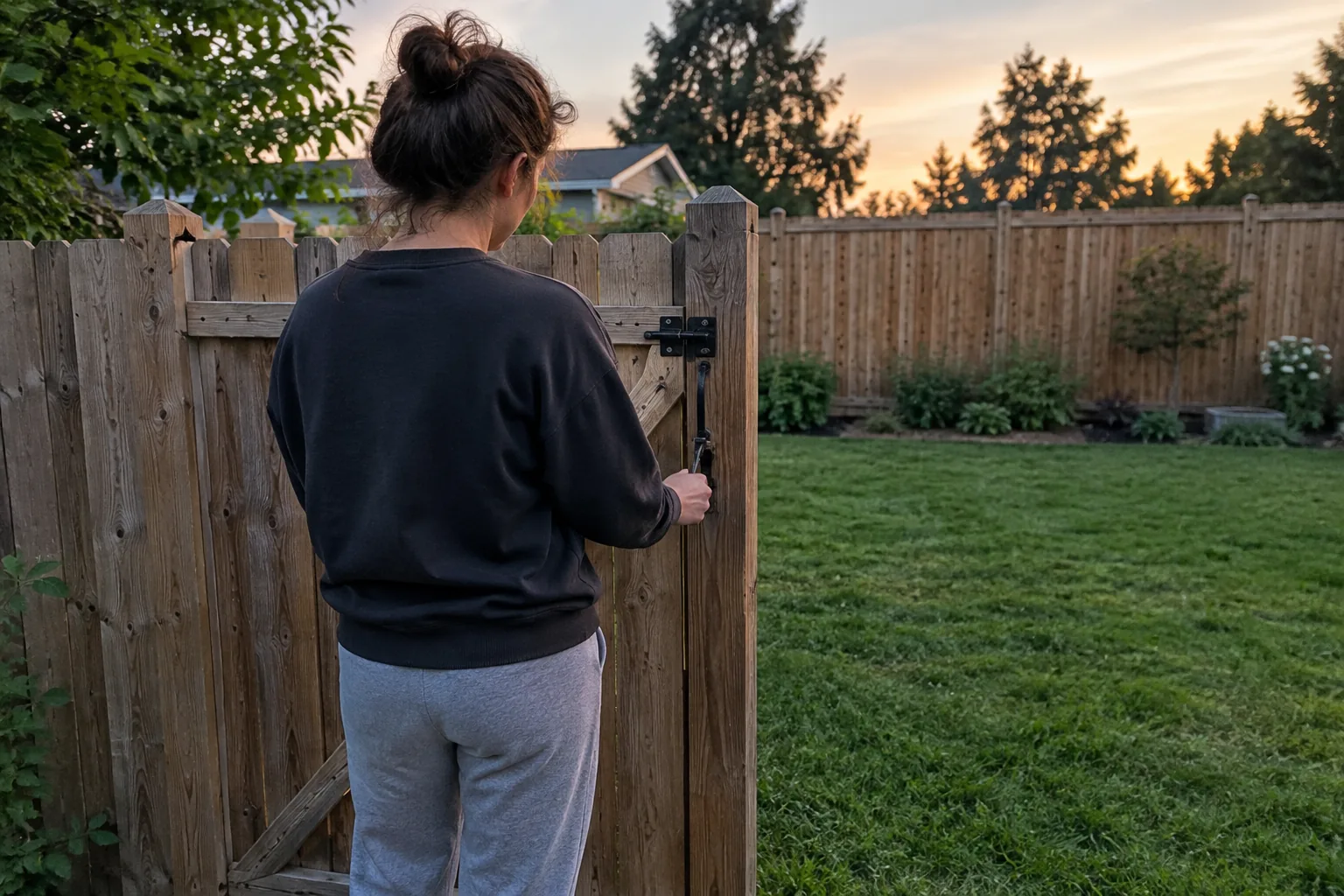
Gates are a frequent weak point. Look at the ground under the gate, at the hinge side and at the corners where fence sections meet.
How to stop a dog from jumping the fence
If you are working out how to keep a dog from jumping the fence, it comes down to height, footholds and motivation. Start by looking for what gives the dog a boost.
- Move chairs, planters, woodpiles and doghouses away from the fence.
- Raise the fence height or add an angled extension on top, and check local rules first.
- Use a solid or screened fence panel if the dog is reacting to things on the other side.
- Trim climbing plants that make a ladder up the fence.
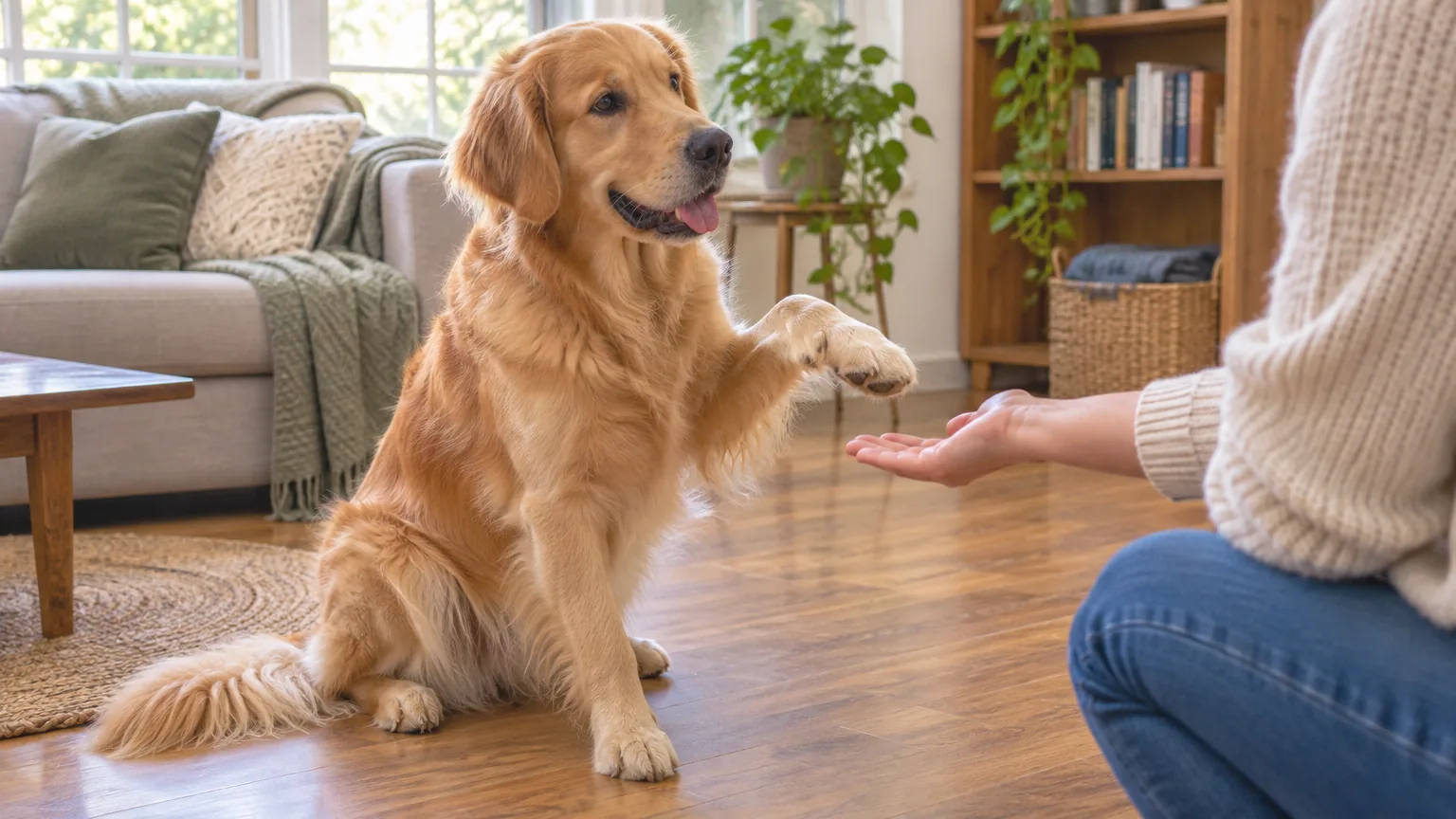
Pair the changes with a settle cue: teach your dog to lie on a mat on cue, then practice it near the fence with rewards. Add a recall so you can call the dog away from the fence before the jump starts.
Training steps that go with the fence work
Reducing the urge matters as much as the barrier. Follow these steps for a few weeks and adjust to what you see.
- Add daily exercise and sniffing time, since a tired dog has less reason to work at the fence. A walk on a long line counts.
- Supervise yard time for now. Go out with your dog, and call the dog back as soon as digging or fence-running begins.
- Set up a dig box: a sandbox or a patch of loose soil. Bury a toy or a chew and reward digging there.
- Fill any new hole in the yard right away so it does not become a habit spot.
- Provide shade, fresh water and a way to come inside during hot weather.
- Practice recall with a leash or long line before you rely on it at the fence.
If you want to learn how a remote training collar fits into this work, Remote Collar Dog Training: A Step-by-Step Introduction Plan walks through the introduction. For more on obedience and play tools, see the Training, Behavior & Play collection.
Field note
Check the fix before you rely on it: after you bury wire or add a barrier, watch from a window for a few days. If your dog starts a new hole, the cause is still there, so add exercise or supervision at that spot.
A backup layer: wireless boundary and GPS tracking
Even a well-built fence can have a gap you have not found yet. A second layer can mark an inner boundary or tell you when your dog has left the yard.
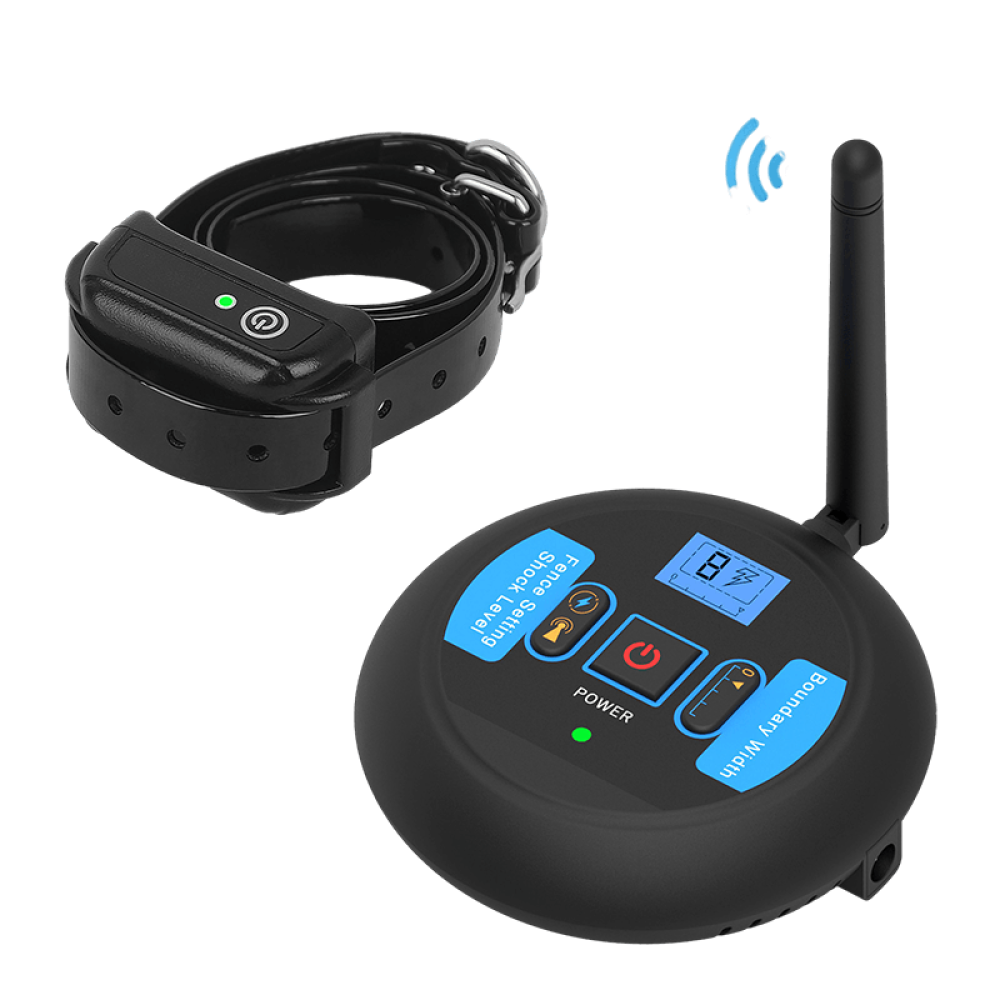
A wireless dog fence sets an invisible boundary around a transmitter instead of a physical line. TrailKeeper is a wireless dog fence made of a plug-in transmitter and a receiver collar. You set the boundary distance on the transmitter, put the collar on your dog and use the three intensity settings while you train, beginning on the gentlest level. Mounting screws are included if you want to fix the transmitter in place, and a manual walks you through the setup.
Choose the transmitter spot and the boundary distance so the boundary stays short of the fence line and the dig zone. Follow the manual for collar fit and training. Because the receiver collar uses intensity settings, ask a veterinarian or a qualified trainer whether this kind of boundary suits your dog, especially a dog that is fearful or reactive at the fence.
 In this guideTrailKeeper$139.99View
A GPS collar for a dog answers a different question: where is your dog if the fence fails? VaultPaw is a clip-on GPS device for your dog's existing collar. It has a pre-installed SIM card for cellular connection and works with a phone app, where you draw a boundary on a map. The app sends a push alert to your phone when your dog crosses the line, and it shows live location, which depends on coverage where you are.
Check your dog's collar and device fit regularly and follow the manual for care. For a closer look at how location and training collars differ, read GPS and Shock Dog Collar: Combo Unit vs Two Separate Collars.
 In this guideVaultPaw$129.99View
What to skip: coffee grounds, pepper and vinegar
Coffee grounds are not a reliable barrier. Keep them out of your dog's reach, and ask a veterinarian if your dog eats some. Cayenne pepper and vinegar are also suggested as home remedies. They wash away with rain, so a buried barrier is the better fit for a fence line.
For a budget-friendly start, fill holes, pile rocks along the base and add exercise. Buried wire takes more work to install but gives the dog a hard layer to meet when it digs.
Fence check routine
Make the fence a routine check, especially after storms, mowing and any time the dog has been interested in a spot. A regular check helps you catch new gaps early.
| When | What to check |
|---|---|
| Weekly | Fresh holes, loose soil, gaps under gates, items stacked near the fence |
| After rain or storms | Washed-out soil, shifted rocks, loose pickets or boards |
| Monthly | Latches, hinges, wire edges, collar fit and device charge |
| Each season | Plant growth along the fence, shade and water for the dog, boundary settings |
If you want another reference, a county guide on stopping dog digging covers the habit side in more detail.